


















Aslam
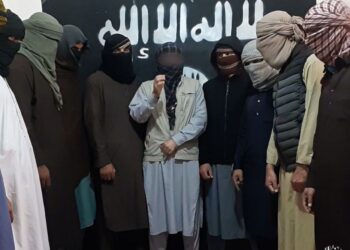
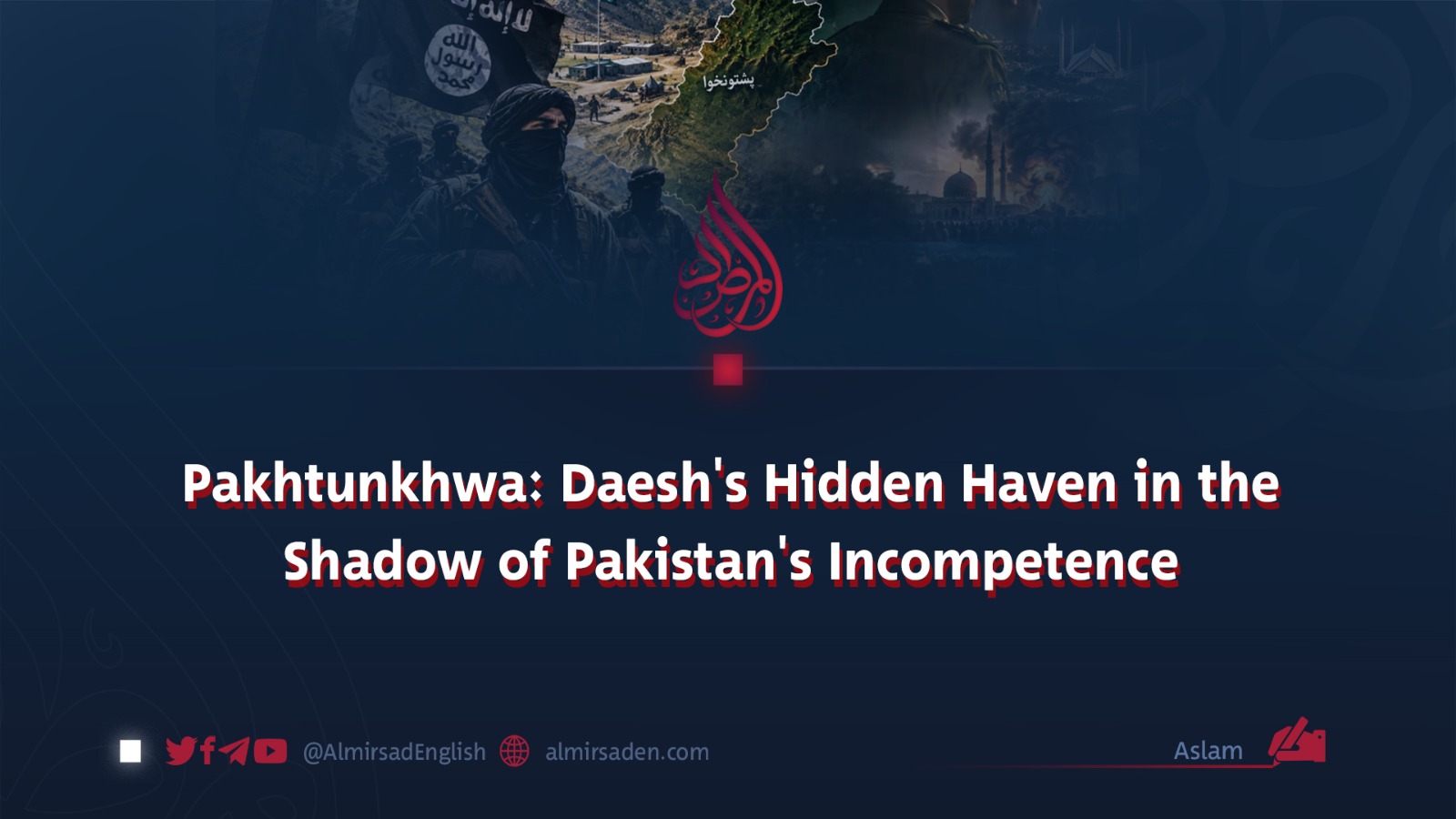
When insecurity in Pakhtunkhwa is discussed, people’s eyes instinctively turn toward the mountains of Tirah and the remote valleys that have for years been a safe refuge for the terrorist group Daesh. But the most worrying part isn’t just Daesh’s presence in these areas. It’s the deadly silence and covert complicity of Pakistan’s military regime, which has tolerated this presence and on many occasions has even paved the way for it. Today Pakhtunkhwa has become a hidden haven for Daesh-Khorasan, one that took shape in the shadow of incompetence and, at a deeper level, in the shadow of the Pakistani army’s strategic design.
The evidence and the confessions have left no room for denial. Zabihullah Mujahid, spokesman for the Islamic Emirate of Afghanistan (IEA), has stated plainly that “circles within the Pakistani army are using Daesh to advance their own goals and are funding it.” He added a warning: “We’ve said many times that Daesh is like a snake. Whoever raises it will in the end be bitten by that same snake.” These words aren’t a political accusation. They reflect a truth that many reports also bear out and that can’t be denied.
Many reports have confirmed that Daesh-Khorasan first emerged from the Tirah area of Khyber Pakhtunkhwa and that its leadership was entrusted to a Pakistani national. They have also stated that “Daesh’s financial, propaganda and operational centers are organized and managed by the Pakistani army” and that this group’s continued activity “is not possible without the intelligence and logistical support of Pakistan’s regime.”
This support can also be seen in current events and facts on the ground. A Daesh member arrested in Afghanistan has revealed in his confession that before being sent to Afghanistan, he received military and ideological training in the mountains of Quetta in Pakistan. Other reports also indicate that newly recruited Daesh fighters are transferred through Karachi and Islamabad airports to training camps in Balochistan and the tribal areas of Khyber Pakhtunkhwa. This chain of transfer and training would be practically impossible without coordination with Pakistan’s security agencies.
But the basic question here is this: why does Pakistan provide such infrastructure for a group whose attacks it has itself fallen victim to?
The answer lies in the logic of strategic depth, the same logic that has for decades driven Pakistan’s army to play with the fire of extremist groups. In this equation Daesh is no enemy. It’s a tool, a tool for putting pressure on the neighbors, especially Afghanistan, and for creating insecurity in areas that lie outside Islamabad’s full control.
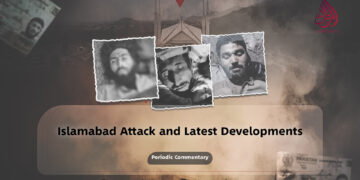
But this tool has been as destructive to Pakistan itself as it is dangerous to the neighbors. The suicide attack on a Shia mosque in Islamabad in February 2026, which left at least 32 dead, showed that the snake it reared in the end bites its own owner too. Even so, instead of accepting responsibility for this destructive policy, Pakistan’s military regime has always tried to pin its failures on others.
In their latest statements, Pakistani officials have once again accused Afghanistan of “sheltering terrorists” and called for a verifiable mechanism to monitor the borders. Yet solid evidence shows that Daesh training centers in Pakhtunkhwa and Balochistan operate under the supervision of Pakistan’s own security agencies. Evading responsibility has become a fixed pattern in Pakistan’s security policy: whenever deadly attacks happen on this country’s soil, the finger of accusation points at Kabul, while the roots of these attacks lie on Pakistan’s own soil and in its intelligence policies.
The danger of this situation isn’t limited to Pakistan alone. The Daesh presence in Pakhtunkhwa is a serious threat to the security of Afghanistan and the region, a threat that, if it isn’t neutralized, will bring irreparable destruction. Experience has shown that when terrorist groups grow stronger in one area, sooner or later they cross borders and spill over into neighboring countries.
Afghanistan, which has itself been a victim of terrorism for years, is more exposed to this threat than any other country. Central Asia too, given the presence of various Daesh branches in border areas, is exposed to the danger of insecurity spreading. By continuing this double game, Pakistan’s military regime has sacrificed its own national security and taken the stability of the whole region hostage.
Today Pakhtunkhwa is a mirror reflecting the true face of Pakistan’s security policy: a face in which incompetence and ill intent are intertwined. Until this policy changes and Pakistan accepts responsibility for its role in nurturing Daesh, Afghanistan will not see lasting security and the region will not know peace. Daesh in Pakhtunkhwa is a time bomb whose timer Islamabad itself has set, and until it explodes, no one will accept responsibility for it.