







Part 7
Karim Akrami
The Esteemed Amir al-Mu’minin’s (HA) Recommendations on Mourning Ceremonies and Customs After Returning from Hajj (Part Three)
Within this series of studies on the Esteemed Amir al-Mu’minin’s (HA) reform guidance on preventing harmful customs, the next subject addressed in Decree No. 17 is customs tied to mourning and to returning from Hajj. At first glance these customs don’t draw people’s attention the way wedding, shirini-khori and walwar ceremonies do, but socially and economically they place a considerable burden on families and society. They have roots in improper practices that don’t match Islamic guidance and rulings.
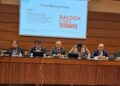
At a meeting held in Kabul, an adviser to the Deputy Ministry for Publications Affairs of the Ministry of Information and Culture said plainly that the following are customs considered contrary to Sharia and declared unlawful under the leadership’s decree: the deceased’s family cooking food, holding Isqat ceremonies, holding khatm ceremonies at heavy cost, and taking toyana (a payment the bride’s family demands from the groom, separate from the mahr) at weddings.
One example of harmful customs in mourning ceremonies is that the deceased’s family is forced to prepare food and host those who come to offer condolences. In many parts of Afghanistan, the mistaken idea has taken hold that the deceased’s family must prepare food, on the first, third, seventh and fortieth day after the death, for those who come out of sympathy and to share in the grief. This custom has no Sharia basis, and it also places a heavy economic burden on a family that is grieving over a loved one’s death and living through one of the hardest, most damaging stages of life.
Under Islamic guidance, neighbors and relatives should prepare food for the deceased’s family, and the deceased’s family shouldn’t take on the cost of hosting them. The decree’s stress on banning this custom shows that the leadership has a deep understanding of the social and economic harm of this jahili habit, which for years has been imposed on society under the name of custom and tradition.
Another example of harmful customs is the heavy Isqat and khatm ceremonies, which the meeting in Kabul also named as customs contrary to Sharia. These ceremonies are sometimes held by inviting a large number of people and spending a lot of money. They don’t give the grieving family any comfort or calm; they put it under the pressure of formalities and social expectations that don’t match the spirit of simple living in Islam.
Analytically, the ban on these customs can be understood in light of the principle that the Esteemed Amir al-Mu’minin (HA) stresses in various sections of Decree No. 17: bringing society back to simple living and saving families from the heavy burden of imposed customs that have no Sharia basis.
Another matter addressed in Decree No. 17 is the customs tied to pilgrims returning from Hajj and Umrah. In some areas, it’s the custom for a returning hajji to host feasts at heavy cost and hand out expensive gifts to relatives and acquaintances. These social expectations sometimes put financial pressure on pilgrims who traveled to perform a divine obligation, and they place the real aim of this spiritual journey under the shadow of worldly formality. The decree also counts these customs among harmful practices and bans them. Studying this ruling shows that, in the Esteemed Amir al-Mu’minin’s (HA) view, even religious rites shouldn’t be turned into social competition and a display of financial means; they should keep their spiritual sincerity and simplicity.
The Esteemed Amir al-Mu’minin’s (HA) stress on banning harmful customs at mourning ceremonies and on returning from Hajj rests on one of Islam’s foundational principles: “La darar wa la dirar,” which means there should be neither harm nor reciprocating harm.
Although these customs appear, on the surface, to be part of social culture, in practice they have become tools for imposing needless costs, creating psychological pressure and weakening social cohesion. By identifying and banning these customs, Decree No. 17 tries to lift Afghan society out of this unhealthy cycle of jahili customs and guide it toward a culture where real sympathy takes the place of heavy, costly formalities.
Reaching this aim needs the joint cooperation of scholars, officials and the media, and a rise in public awareness, so that people understand that saving themselves from these customs is a Sharia duty and also serves their own and their families’ interests. This is the path the IEA’s system has chosen for the well-being of the people of Afghanistan in this world and the next.