




















Rafiq
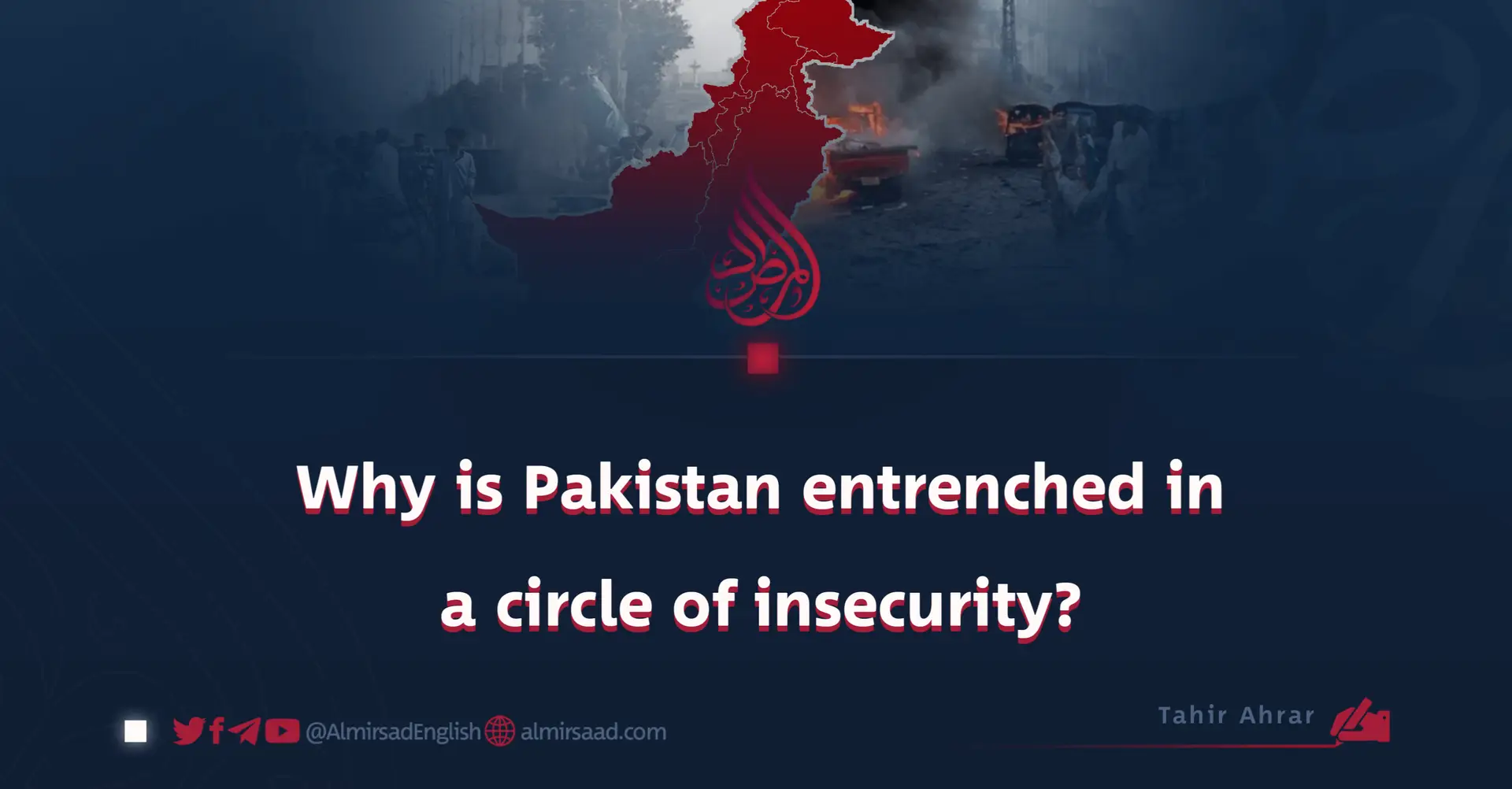
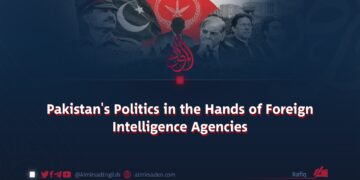
Pakistan’s political, economic, intelligence and military image has come under constant criticism and accusations around the world. Its army and intelligence services are accused of abusing power, of repression and of funding terrorist groups. On the economic side, running foreign projects and stirring up insecurity in neighboring and other regional countries are seen as major parts of their activities. The intelligence agency’s involvement in domestic insecurity and crises, and its interference and presence in terror incidents, have deepened worries about the security situation facing the country’s people.
An intelligence agency exists to defend the country and its people, and it should operate under the authority of the government and within the limits of the law, subject to judicial oversight. Its purpose is to protect national security and prevent threats to the country’s stability. Pakistan established the ISI to serve this very purpose. It was created to defend and protect the people and the country, so why has it gone against the very purpose for which it was established?
When Pakistan’s intelligence agency and army took on a role in which they decide the country’s political, military and foreign affairs, as well as its overall direction and destiny, and bring its internal and external political and public affairs under their influence, they were pushed to accept foreign influence as well, to shore up their own position. When an intelligence agency and a military body hold sway over the political and civilian sectors, they inevitably become prey to foreign influence and projects.
One example of this involvement: in 2024 the judiciary filed official criticisms and petitions saying that Pakistan’s ISI interferes in political cases, threatens judges’ relatives and, in some cases, demands rulings of its own choosing. The country’s judiciary lodged this as an official complaint with the legislature and the government. It appears from this that the agency’s intelligence circles have a hand in smuggling, terror and coercion cases, and the judiciary officially presented evidence of this to the government. That pointed to interference, cooperation and a presence in certain murder, smuggling and terror cases.
In 2024, a US investigative agency published a report documenting more than 7,000 cases of terrorism, targeted killings and disappearances over a period of a year or slightly longer. A figure this high for killings and disappearances is almost beyond imagination. Insecurity on such a scale, with the country’s internal security so badly shaken and weakened, seems impossible without this agency’s cooperation and involvement.
This raises a few questions. Has this agency been involved in enforced disappearances, terror, smuggling and killings, or carried out similar activities? Yes.
Look at the funding sources and the judiciary’s official complaint: both point to this agency’s hand behind these and similar acts. If it had no hand in them, why would it threaten its own country’s judges in a terror case?
From 2024 through this year, dozens of cases involving religious scholars and linked to terrorism and killings have occurred. Why has Pakistan’s ISI chosen silence? It didn’t even satisfy the people or the elected government, and it blocked the investigations as well. This suggests the agency has become a hireling of foreign projects against the religious class.
Accusations of Coercion, Threats and Forcing Its Own Agenda on Political Parties
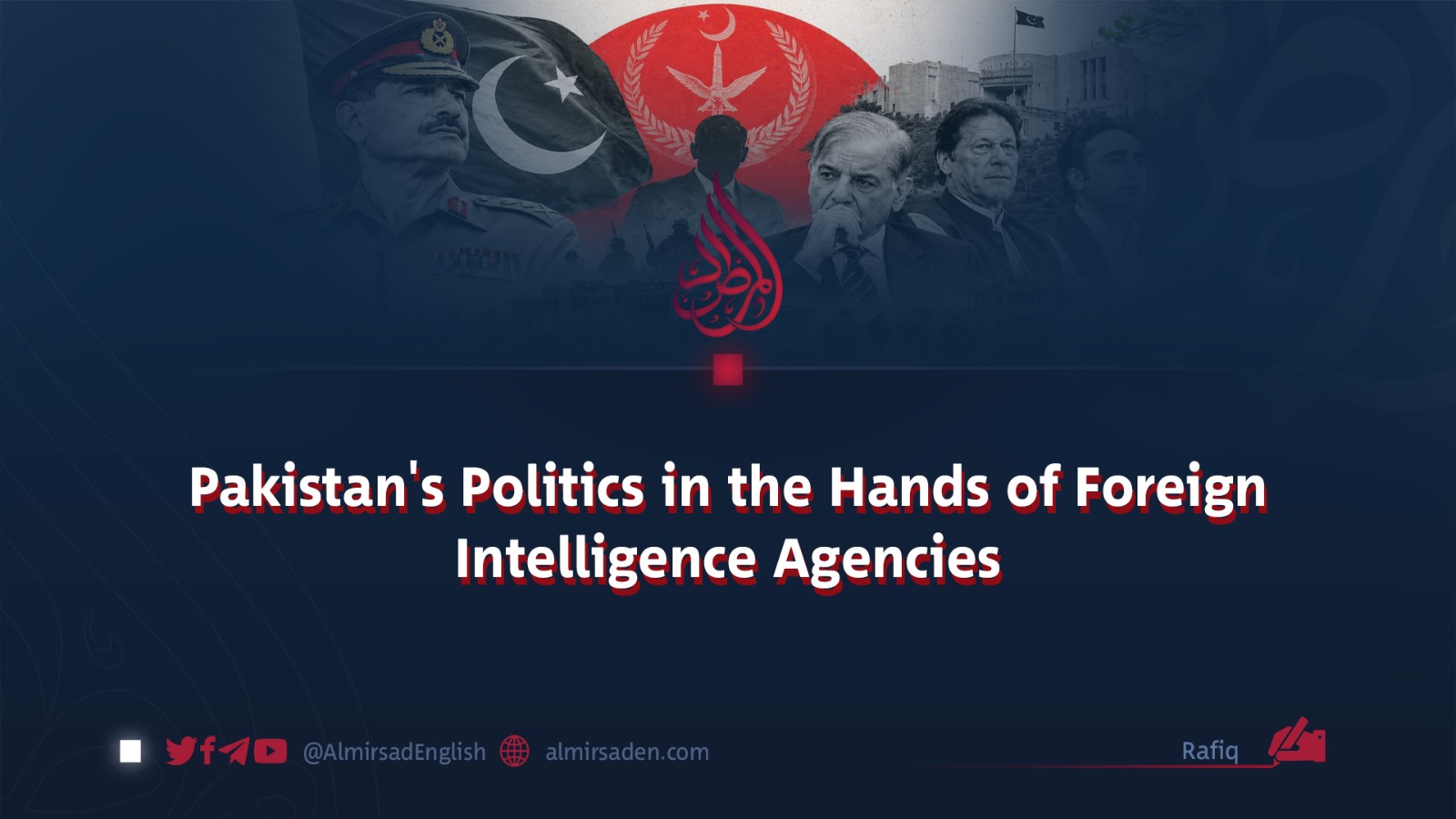
These are accusations that this intelligence and military body’s own actions have borne out. The forced removal of Prime Minister Imran Khan from power and his jailing, and the blocking of his party’s rallies and other government measures, point to the pressure this body puts on political figures.
The accusations that Bilawal Bhutto is under foreign influence and that the Chief Minister of Khyber Pakhtunkhwa is subject to undue influence, along with threats of assassination, all without evidence, show that to this day Pakistan’s intelligence agency and military circles have reserved for themselves the right to pass judgment. They weaken and defame rival political parties so as to take the parties’ power for themselves.
The Intelligence Agency’s Incompetence
The agency’s incompetence has driven up the daily rate of people leaving their posts in civilian, military and other institutions. The misuse of intelligence powers and the military’s brutality have led the country’s Muslim people to see that the system acts on personal, foreign and conspiratorial aims. Meanwhile, rising insecurity has everyone looking out for his own safety.
The army’s purpose is known: defense. Yet it has now become all-powerful in setting the country’s political course and fate. If you remember, Pakistan sent a delegation to Afghanistan for talks, and the two sides reached a positive understanding on everything. As soon as the delegation arrived, the military ignored the understanding its own political delegation had reached and carried out savage bombings in several provinces of Afghanistan. That proved internal and external political power is in the army’s hands. It shows that, besides the ISI, army chief Asim Munir also claims to own political power.