









Khalil
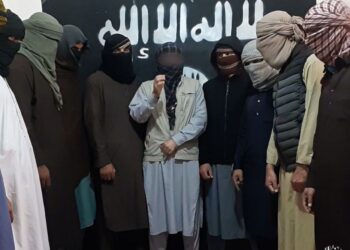
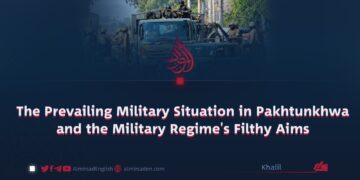
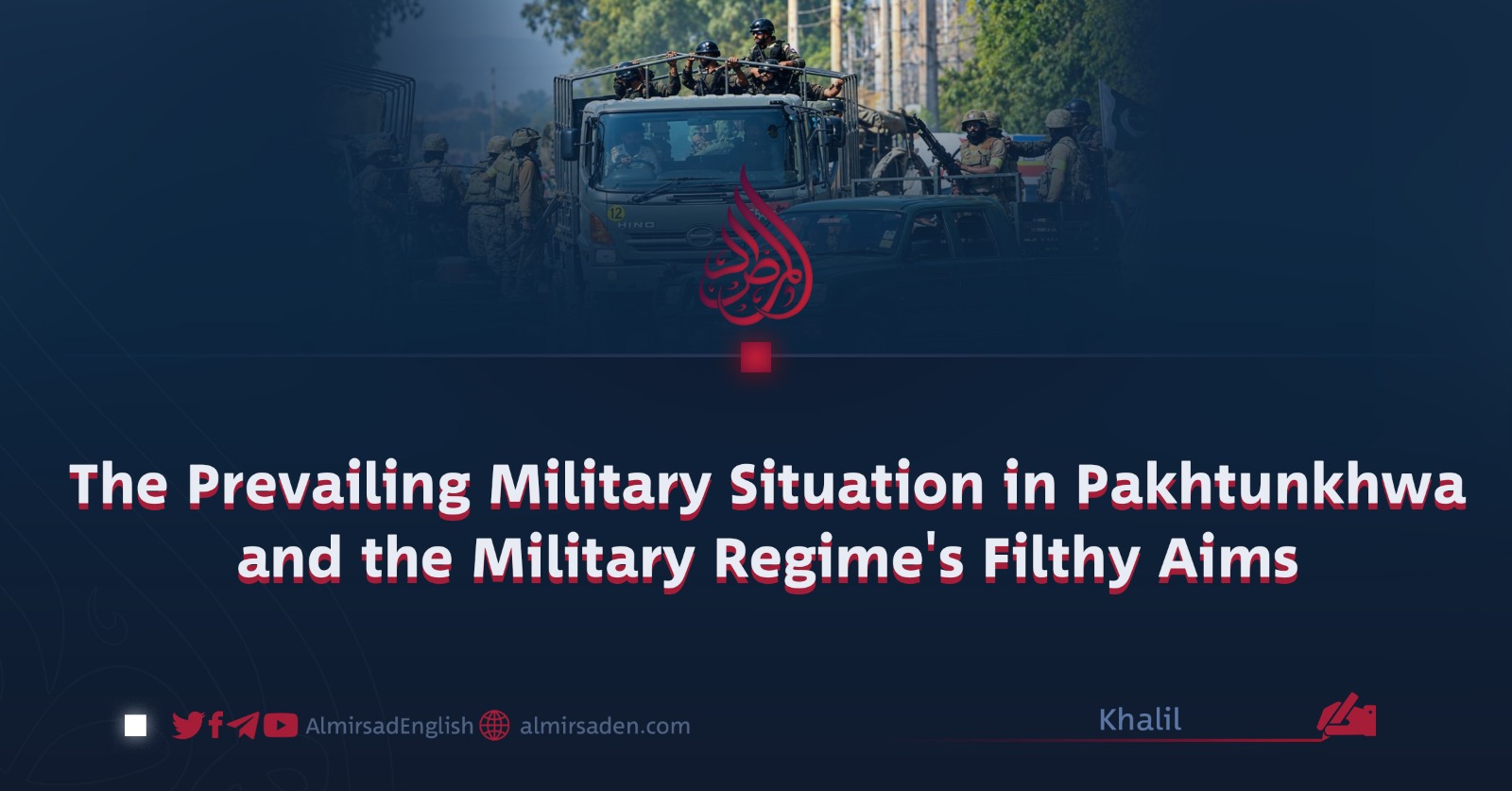
A new video is circulating widely on social media. It appears to show people gathered inside a military truck. The rear tarpaulin is lifted, revealing masked young men seated inside as the truck heads somewhere. The guards react harshly when someone approaches, and they try to stop him, but the man says, “We knew you were transporting Daeshis.”
Either way, the issue is the dire military situation that has taken over Pakhtunkhwa after the elected government was removed and governor’s rule was declared. There’s a sense of fear even when five people gather and talk. What is this fear for, and why has the situation reached such a serious point that all the discussions and concerns of Pakistan’s central regime and parliament revolve around it?
There’s no doubt that Pakistan’s bullying, unelected regime stripped the PTI chief minister of this province of his power and handed it to the governor. But who’s really making this decision? It certainly isn’t Pakistan’s powerless, so-called president, a man too senile and too far gone mentally to tell good from bad. Naturally, this decision was imposed on him by the army chief, and the prime minister himself has, quite skillfully, kept his own distance from this political shamelessness.
All evidence and indications show that this situation in Pakhtunkhwa has been imposed by the military regime’s sinister plans and policies for separate goals of its own, so it can successfully advance its new projects and conspiracies under the umbrella of stability. One of the biggest and clearest goals of this move is to prepare the ground for the training and activity of the Daeshi Khawarij in various parts of the province, especially near the Durand Line, so they can threaten Afghanistan first, then the region, and all of Central Asia.
Behind this threat, the military regime has economic and political goals above all else. It then crushes them again with its own mercenary army, and makes European countries and America pay the price for that suppression, telling them this is supposedly an uncontrollable threat. If Pakistan isn’t helped, if money and projects for counterterrorism security preparations aren’t given to it, then this group will reach the cities of every neighboring country and spread insecurity and terrorism there. The military regime has experience in exactly this kind of intelligence work, as part of its dark politics and shameful dealings.
The military regime, which has always sought its own gains and privileges in the insecurity of Afghanistan, the region and Central Asia, now faces massive foreign debt, economic problems and widespread poverty at home. To get a handle on this, it wants to turn to its real job and trade, which is the nurturing and training of terrorists, but the money and material support it gets through this route is not spent on fixing the country’s problems. It’s spent on the generals’ personal projects, international business deals and a string of projects serving Punjab, while the price for all of it is paid only by Pakhtunkhwa and the Pashtun people.
Over the past several years, the Islamic Emirate of Afghanistan (IEA) has repeatedly alerted the world to this sinister game, exposing the military regime’s covert and overt efforts to reorganize the Daeshi Khawarij. This must now be recognized as an international responsibility. Leaders of regional and Asian countries must understand that the time has come to take a firm stand and decisive action against this military regime. The threat should no longer be feared as though it originates from Afghan soil; instead, the real concern must be the regime’s deceptive strategies and the financial and political support its generals provide to the Daeshi Khawarij.
This isn’t just a claim either. The Afghan air force has targeted and destroyed such hidden centers of Daeshi Khawarij and other groups of evil and corruption in various parts of Pakhtunkhwa through its repeated legitimate airstrikes, centers that had free activity in Pakistan’s sensitive security and intelligence areas. So far, many Daeshi leaders have been killed in Pakistan’s most secure places, and their centers are still being targeted.
The local residents, politicians, and businessmen of Pakhtunkhwa understand the terrible situation in the region better than anyone, because the area has largely become an open arena of insecurity, lawlessness, and political crisis. But the military regime has neither the time nor any regard for their voices, their protests, or their demands.
If the international community, the region, and especially the Central Asian countries still turn a blind eye to this crime and the military regime’s terrorist activities, and ignore the IEA’s stance and demands, it means they are openly welcoming the Daeshi Khawarij raised by the military regime and unleashed on the region.
In such a situation, we can still say with confidence that Afghanistan has fulfilled its responsibility, and that not one inch of its soil provides a place for the Daeshi Khawarij or other corrupt groups to set foot or operate. In fact, several recent incidents have shown that, the moment these elements cross the Durand Line, they are killed, captured and disgraced on the basis of accurate intelligence reports. Likewise, all neighboring and regional countries must properly understand their own security responsibilities. They must not allow the military regime’s terrorist projects to threaten the region’s stability and security again, or allow the regime to fish in troubled waters once again.