




















By Saifuddin
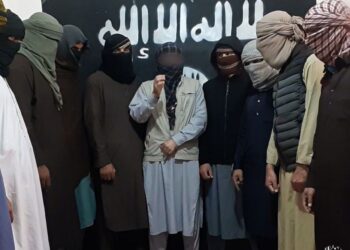
The Pakistani military warlords’ latest effort to gather defeated mercenaries and former Arbakai once again is a brazen attempt to breathe life back into an old model of terrorism.
Its consequences will not remain confined to the border. By nurturing these irregular and hired fighters, the regime is laying the groundwork for a destructive and irresponsible force like Daesh to emerge across the region. These mercenaries are not strong enough to pose a direct military threat or inspire genuine fear, but their presence slowly eats away at regional stability like a poisonous infection. They have neither an organized ideology nor any roots among the people. In reality, they are intelligence assets that can, at any moment, become a source of terrorist anarchy and social destruction.
If the international community continues to ignore the repeated recruitment, training, and support of these mercenary groups, they will eventually stop serving even the interests of those who created them and instead become another engine of civil conflict, insecurity, and long-term political and economic instability across the region.
Alongside this dangerous intelligence project, another campaign is unfolding: an attempt to ignite ethnic confrontation and drive a wedge between the Pashtuns and the Baloch. Pakistan has long relied on ethnic divisions and national discord to suppress movements demanding the rights of both peoples. The current use of former Arbakai and other notorious figures fits perfectly into that same old design. Under this project, investment is being poured into ethnic division. Pashtun mercenaries and Arbakai are being used in the heart of Balochistan to manufacture a deep historical and tribal hostility between the Pashtuns and the Baloch. The military wants to wash its own hands of responsibility and recast its campaign as a Pashtun-Baloch conflict. That is why both of these proud nations must recognize the reality before them.
These mercenaries and disgraced remnants of past violence represent neither the Pashtuns nor the Baloch. They are merely instruments of the same military machine that has spent decades exploiting the natural wealth and human potential of both peoples.
The result of these intelligence games and deliberate ethnic division has already become clear. Pakistan is paying the price through growing political isolation and an internal backlash against the military itself. This reality speaks directly to Pakistan’s political leaders, opinion makers, and ordinary citizens. They should openly question this failed military policy. The army continues to keep company with criminals long after they have left the battlefield. The Pakistani people and independent political voices should ask why their military and intelligence agencies continue wasting the country’s resources and public money protecting some of the most notorious and thoroughly defeated fighters from Afghanistan and the region.
This unholy partnership with defeated militants is not only locking Pakistan into endless hostility with its neighbors, it is steadily destroying Islamabad’s standing across the region and the world. Instead of leading the country toward political stability and economic recovery, this policy pushes Pakistan further into isolation. It also exposes the unchecked power and irresponsibility of the military establishment inside the country. These projects are not being pursued for the future of Pakistan, its people, or its political system. They exist only to protect the narrow interests of a handful of military generals.
Pakistan’s political parties should understand that these pipelines feeding insecurity will eventually drag Pakistan’s own political landscape, its international credibility, and its relations with neighboring countries toward complete isolation and ruin.
This continued obsession with supporting defeated evil groups will secure neither Pakistan’s safety nor the region’s political future. It is a policy of imposed instability whose consequences will not spare anyone. Its message is one of lasting destruction for neighboring countries, for the region’s peoples, and for Pakistan’s own political and economic system.