
























By Salman
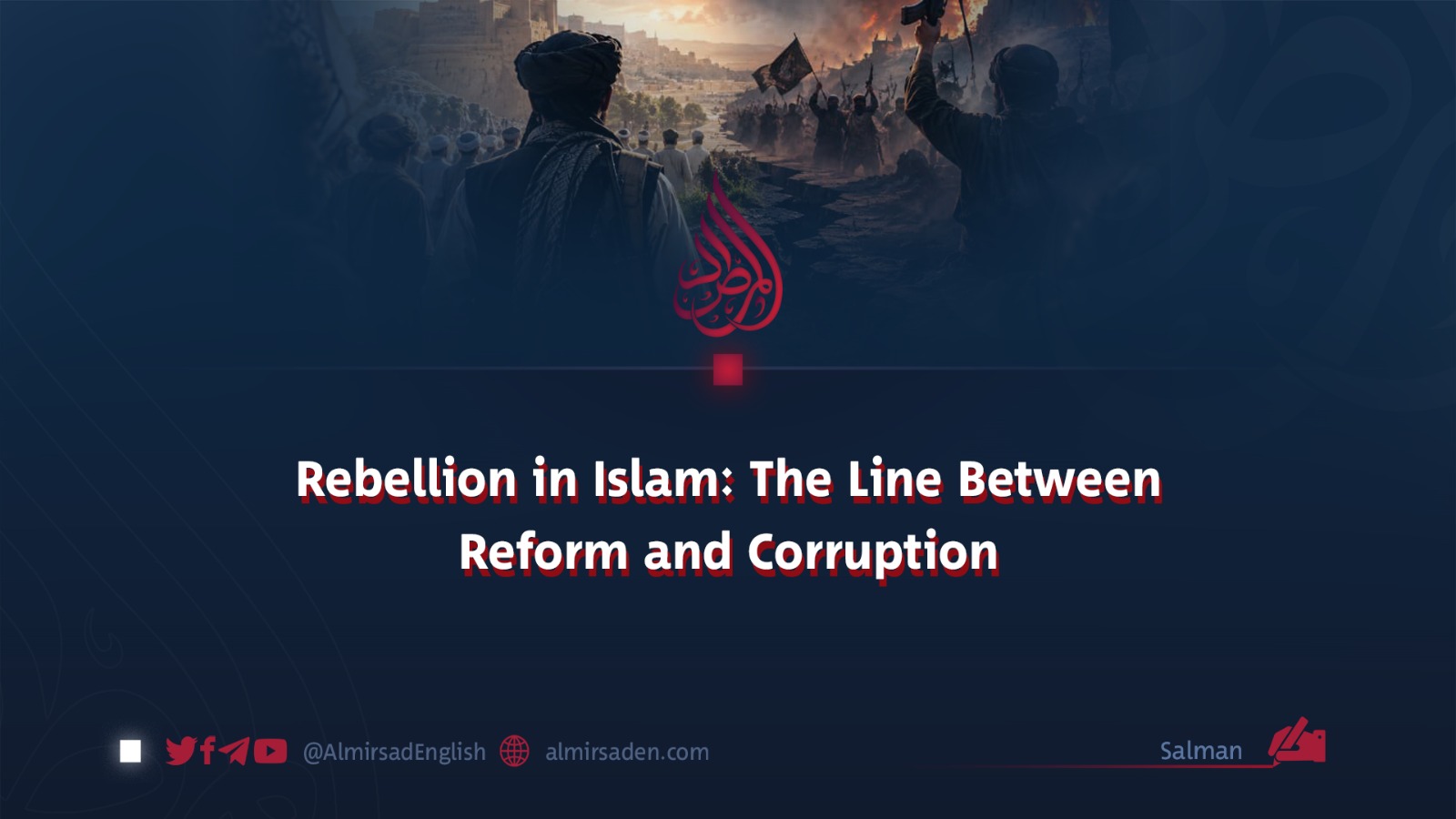
In Islam’s intellectual system, the two concepts of “reform” and “corruption” stand in clear opposition to each other. The Holy Quran describes reform as removing corruption, bringing about soundness and improvement, and making matters better, while corruption is presented as its opposite. This contrast becomes even sharper when the question of “rebellion” or an armed uprising against an Islamic system is raised.
The basic question here is: where is the line between an action intended for reform and corrupt conduct, and how can we tell the difference between the two? Based on the fiqh sources of Ahl al-Sunnah, this article tries to make this fine line clear and show the harmful consequences of crossing it.
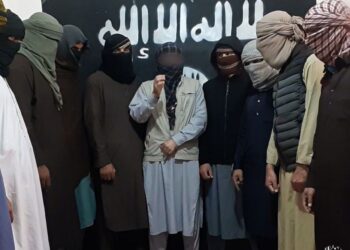
Islamic scholars have defined rebellion as: “Rising up against the Muslim ruler and the Islamic state with the aim of overthrowing it.” This definition clearly shows that rebellion is an action aimed at breaking down the ruling system. But what separates the crime of rebellion from other crimes is the presence of three basic conditions. First, the rebels must have some kind of interpretation (Ta’wil) or misconception/doubt (Shubha) which, in their view, can be used to justify their action. Second, they must have enough strength and numbers that their group cannot simply be dispersed by equipping or gathering up a few individuals. Third, they must have placed themselves beyond the ruler’s reach and be determined to fight. These conditions show that rebellion is not merely a small or limited uprising. It is an organized movement with a structure behind it, backed by military force.
But at what point does this “Ta’wil” and “Shubha” cross the line of reform and enter the realm of corruption? The Holy Quran gives a serious warning about this. Allah (SWT) says in Surah Ash-Shuraa:
«إِنَّمَا السَّبِیلُ عَلَى الَّذِینَ یَظْلِمُونَ النَّاسَ وَیَبْغُونَ فِی الْأَرْضِ بِغَیْرِ الْحَقِّ أُولَئِکَ لَهُمْ عَذَابٌ أَلِیمٌ»
“The cause is only against the ones who wrong the people and tyrannize upon the earth without right. Those will have a painful punishment.”
Elsewhere, Allah (SWT) describes those who claim to be working for reform while in practice spreading corruption on earth. Through their misleading claims, they turn society away from the right path. These verses give a clear warning that not every movement which begins in the name of reform necessarily leads to reform. It may instead turn into even greater corruption.
The fundamental difference between a genuine reformer and a corrupt rebel lies in their methods and in the results of their actions. Reform is a gradual process, one that stays within the law and is driven by goodwill. Its result is to remove disagreements and bring about peace and calm. Rebellion, on the other hand, because of its violent and destructive nature, leads to fitna, bloodshed, and the loss of security.
The historical experience of Islamic societies bears witness to this. Many rebellious groups have entered the field under slogans such as defending the religion and homeland, but in practice they have fueled internal divisions, created opportunities for interference by enemies, and ultimately contributed to the weakness and decline of Islamic societies.
The lesson to take from this is that there is a very fine and sensitive line between “rising up for reform” and “rebelling for power.” Crossing that line does not bring happiness or reform. Its outcome is nothing but corruption and destruction.