





















By Ehsan
In an unprecedented and defining development, Afghanistan turned a new page in the region’s security equation by carrying out a precise and successful operation across the Durand Line. This strike was not a short-term tactical move. It was the formal announcement of a strategic shift in the IEA’s defense policy. The message is clear and cannot be denied: the phase of strategic patience is over, and Afghanistan will from now on neutralize every threat to its security, sovereignty, and territorial integrity before it can take shape, wherever it comes from and whoever stands behind it.
For years, terrorist groups, IS-K in particular, used Pakistani soil and its unstable border areas as a safe haven to plan and carry out attacks against Afghanistan. This was not only a constant threat to Afghan lives but a serious challenge to national sovereignty. The latest operations have completely demolished the assumption that terrorists are safe on the other side of the Durand Line and can freely plot against Afghanistan.
The IEA’s soldiers identified and eliminated designated targets across the Durand Line with extraordinary precision, proving that the Afghan will to defend their country is stronger than any geographical or military obstacle. The most significant aspect of these operations, one that deserves both recognition and serious analysis, was the successful penetration of Pakistan’s advanced and modern defense systems. Pakistan’s military, which always took pride in its air defense capabilities, faced a bitter failure in this major test.
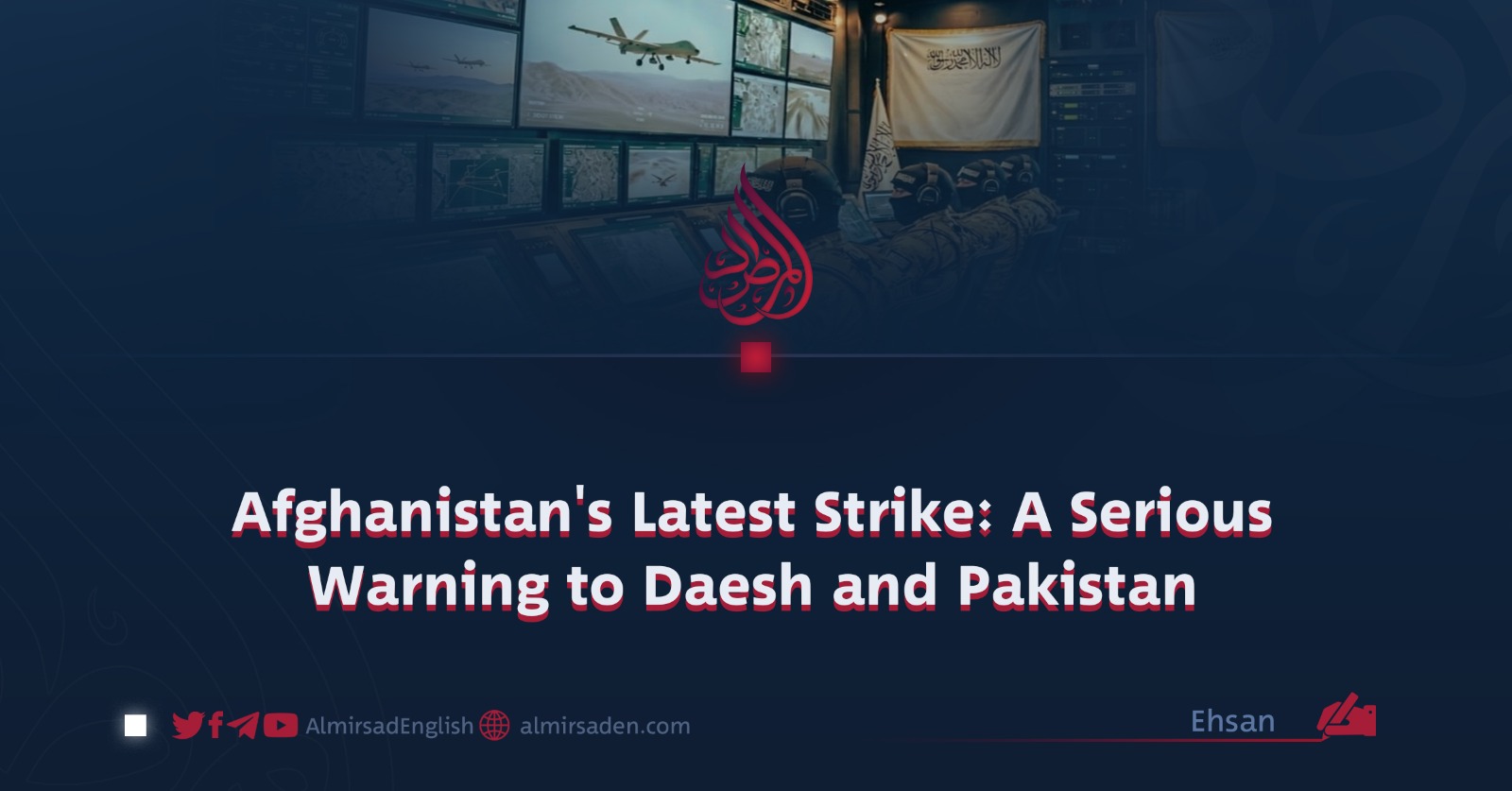
Afghan drones not only broke through that country’s defensive perimeters but eliminated designated targets at considerable distances from the Durand Line with remarkable accuracy. This technical and tactical success revealed new dimensions of the IEA’s military capabilities and proved that Afghanistan has acquired a level of skill and strength in modern and asymmetric warfare that has left regional rivals stunned.
These operations carried two important messages. The first was to Daesh: do not consider your hideouts and safe centers inside Pakistan secure any longer. Afghanistan has shown that its intelligence and military reach extends deep into neighboring territory and that any terrorist movement will be met with a swift and hard response. The second message was even more serious, directed at Pakistan’s military regime, the regime that for years used its double-dealing policy to create the conditions for instability inside Afghanistan.
Afghanistan made clear through this bold action that it will no longer tolerate the destructive role certain elements within Pakistan’s security establishment have played, and that any open or covert support for terrorism against Afghanistan will be met with a firm response.
This shift marks the beginning of a new chapter in the region’s security relationships. Afghanistan will from now on emerge as an active and decisive player in the security arena. Kabul’s new defense policy is built on pre-emptive action against threats and dismantling them at their source, a strategy that not only guarantees lasting internal security but also sends every neighbor a clear message: Afghanistan’s sovereignty and territorial integrity are a red line that cannot be crossed.
These successful operations showed that the IEA’s soldiers spare no sacrifice in defending their country and that no defense system and no geographical barrier can stand in the way of their iron will. Naturally, Pakistan has felt the depth of its own security vulnerability after this strategic blow and now understands that a policy of hostility and support for terrorist groups will come at a heavy price. Afghanistan proved through these operations that even under the most difficult and complex military conditions it can, through faith and its own homegrown capabilities, deliver precise and effective strikes.
This victory is a source of pride for every free Afghan and shows that the IEA, with firm resolve, is taking strong steps toward lasting security and full national sovereignty. From now on, every group and every country that considers threatening Afghanistan will face this unambiguous message: borders and defense systems can never stop the legitimate defense of the Afghan people.