



Part 1
Karim Akrami
In today’s world, where various political systems, each according to their own particular goals and ambitions, govern their societies, very few such systems can be found with a leader who is so caring, committed and sincere that he has no concern beyond his religion and his people. In many countries, rulers and political leaders are either tied to foreign systems and carry out the demands and orders of outsiders within their own societies, or they are absorbed in efforts to preserve their own power and that of their families, or they have turned power into a means of accumulating wealth and satisfying worldly desires.
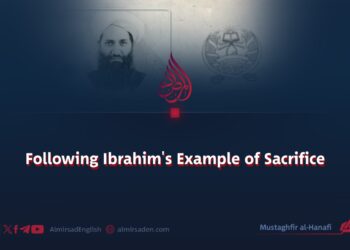
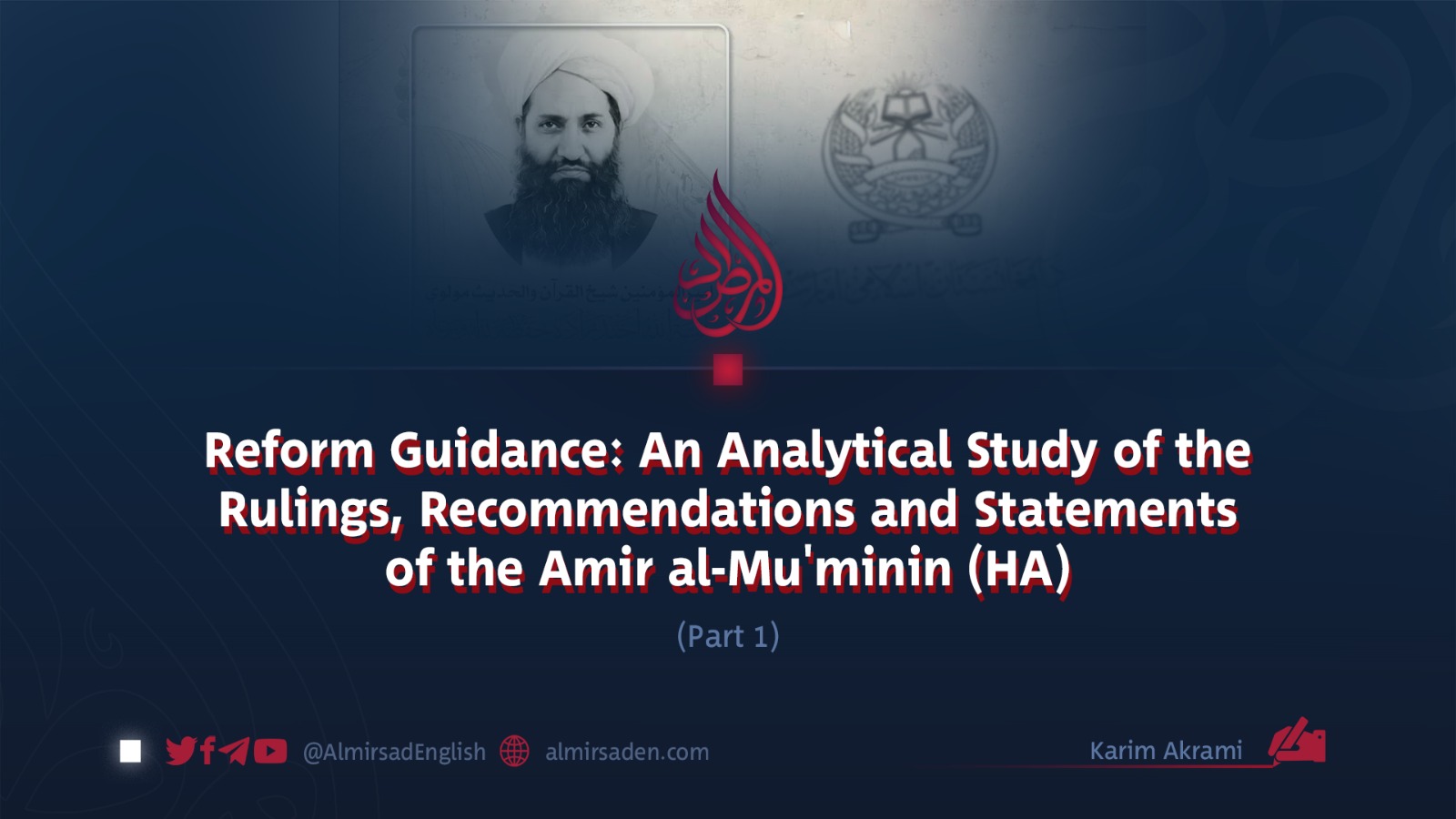
Under such conditions, finding a leader who devotes all his efforts to serving the people, clarifying Islamic rulings, and calling society toward religious values is difficult and rare. But today’s Afghanistan, by the grace of Allah (SWT), and through the efforts of the mujahideen and the followers of truth and justice, has been blessed with this great favor. An Islamic system has been established here, and a caring and people-oriented leader, Amir al-Mu’minin Shaikh Hibatullah Akhundzada (HA), holds the reins of leadership of this system.
He is a leader who has spent his entire blessed life in the cause of raising Islam high, fighting against kufr and aggression, and serving the people. Even today, as the leader of the Islamic Emirate of Afghanistan (IEA), he has no other purpose, thought or concern except the reform of society, the implementation of Sharia rulings, and guiding the people toward divine values.
The Amir al-Mu’minin (HA) considers himself not only a ruler but also a servant of the people. In his statements, he has repeatedly stressed that the Islamic system belongs to the people and that officials have a duty to serve the people. He (HA) said in his Eid al-Adha address: “The system is the property of the nation, and the nation is a part of the system.” Likewise, he has taken an oath, saying: “If, through me, the problem of a single Muslim anywhere in the world could be solved, I am ready to go there on foot.”
These words express his unparalleled compassion toward the Islamic Ummah, a compassion whose example is rarely found among many leaders and rulers.
Over the past five years, that is, since the victory against kufr and the establishment of the IEA’s system, the Amir al-Mu’minin (HA) has delivered valuable statements, issued rulings, and given recommendations on various matters of belief, Sharia, morals and society to the officials and people of Afghanistan.
These statements are drawn from sacred and trustworthy religious sources. Their purpose is to reform society, warn people against innovations and undesirable customs and traditions, and call them toward the rulings of Sharia.
The importance of these statements lies in the fact that, at this sensitive stage, Afghan society is in need of guidance so that it may move forward on the right Islamic path and protect itself from the cultural and social harms that have spread throughout society over the past years.
The purpose of writing this series of articles is to analyze and clarify the valuable statements of the Amir al-Mu’minin (HA), so that the religious people of Afghanistan may become better acquainted with the guidance of their caring leader and take steps forward on the path of reform and progress.
The need for this work arises from the fact that many people, and even some officials, may not be fully familiar with the various aspects of these statements and may need explanation and analysis to understand them better. Likewise, since these statements serve as a roadmap for the comprehensive reform of society, studying and analyzing them can help all people better understand the objectives of the Islamic system and their own Sharia responsibilities.
This series of articles will examine, from an analytical and religious perspective and in simple, flowing language, the main themes of the statements of the Amir al-Mu’minin (HA) on various subjects. Each article will focus on one fundamental issue among those he has emphasized and will explain his views on that issue and their reformist role in society, while taking into account the culture and religious beliefs of the people of Afghanistan.
We hope that this humble effort will be a small step toward better understanding the reformist thought of the Amir al-Mu’minin (HA) and promoting Islamic values in Afghan society, and that it will help our respected countrymen put the recommendations of their caring leader into practice.
والله الموفق والمستعان.