


By Rafiq
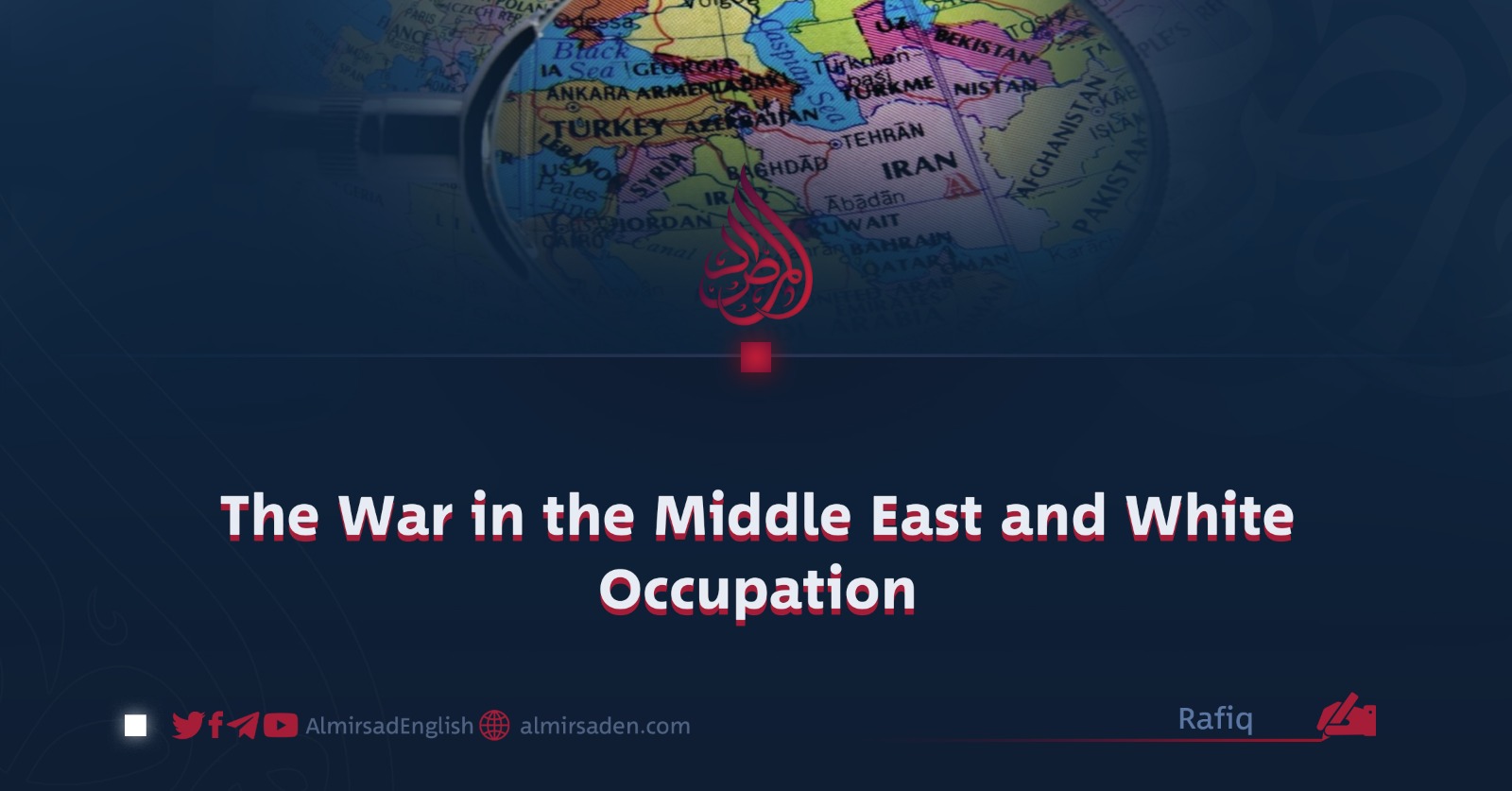
For decades, the world’s powerful and developed countries have pursued their interests by extending their control over weaker nations, their natural resources, and their political systems. One form of that control is white occupation. Unlike military occupation, it often arrives without tanks or invading armies. Yet it can be even more dangerous. Black and bloody occupation seizes a country’s land, politics, and beliefs. White occupation goes even further. It reaches into a country’s politics, natural wealth, beliefs, laws, and even the spirit of its people.
Under military occupation, people usually recognize the occupier for what it is. They see the oppression with their own eyes. White occupation works differently. Today, much of the Arab world has fallen under this kind of control. In the name of development, security, and defense, outside powers have taken hold of laws, economies, natural resources, political decision-making, and even cultural influence. For years, the United States, Britain, Israel, and China have built their power and prosperity on access to Arab oil and other natural resources. They also reinforced that dominance through taxes collected from Arab states under the banner of protection and defense.
The change of government in Syria weakened Iran’s efforts to expand its influence there and across neighboring Arab states. That, in turn, opened the way for the United States and Israel to move into areas that had long been under Iran’s influence. It was one of the main reasons the conflict between Iran and Israel turned into a fierce and bloody confrontation.
The war has been going on for a year now. Cities are being destroyed. People are being killed with shocking brutality. Neither side is prepared to step back, and the hidden objectives are no longer hidden. America must give up its control over Arab oil and natural resources, and that control must pass to Iran. The war between Iran and the United States has not only harmed the allies of both sides. It has also shaken global markets, disrupted food supplies, and affected trade in essential goods, especially oil. Afghanistan has also felt the impact. The movement of fuel and other essential goods through neighboring countries has repeatedly been disrupted. The state of conflict between these two sides has left economic and commercial damage far beyond the region itself.
Perhaps the strongest message this war has delivered is directed at the Arab world. For decades, many Arab states relied on the strength of others while neglecting to build their own. They allowed their lands and natural resources to serve foreign interests. That path has steadily reduced their standing in the world.
At the same time, Iran’s stand on the Palestinian cause has been seen by many as one of the more positive aspects of its role in this conflict. It has carried a message of dignity, brotherhood, and solidarity to the Muslim Ummah.