



















Abdullah Atif
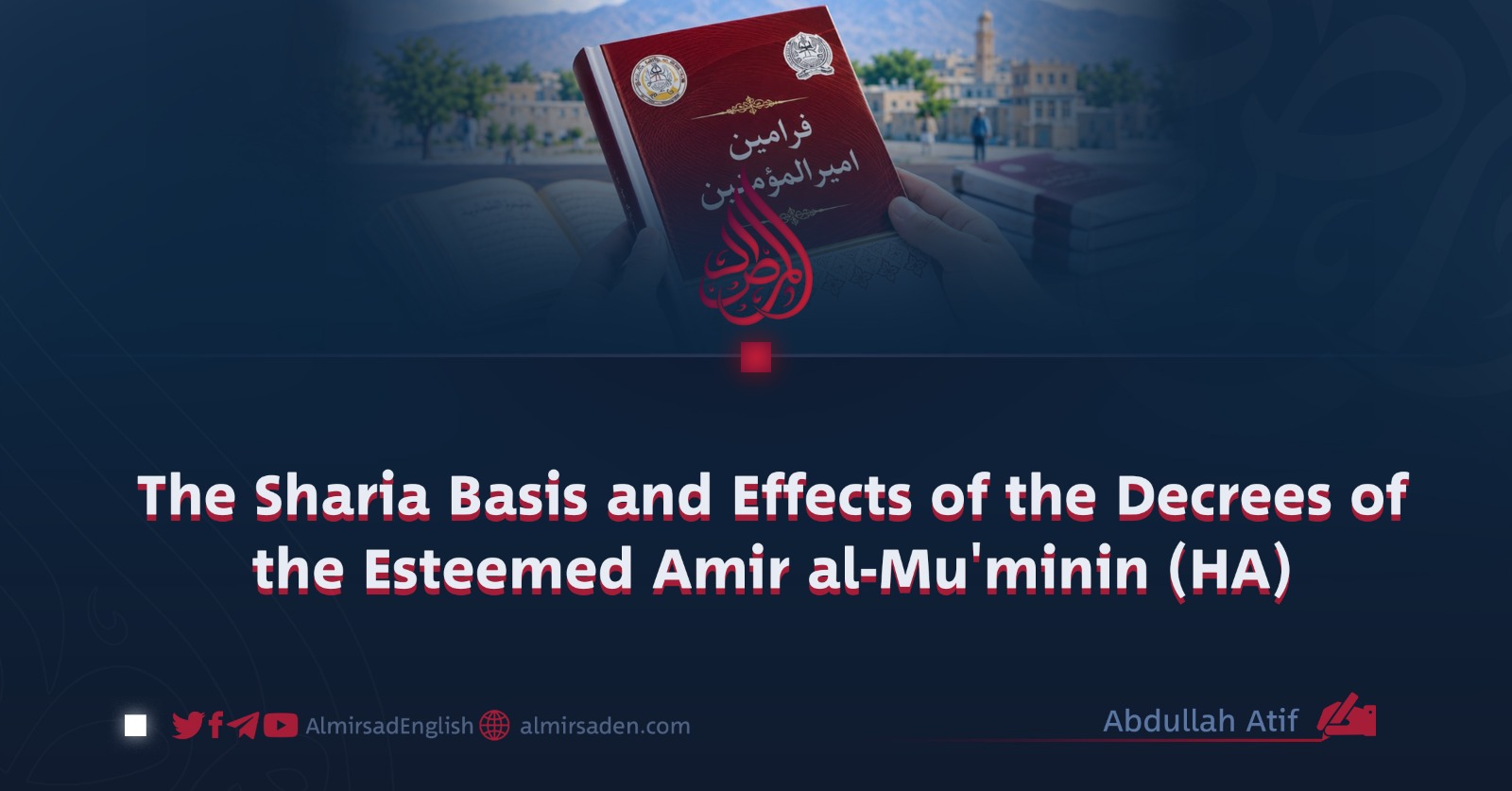
A major scholarly conference on the decrees of the Esteemed Amir al-Mu’minin (HA) was held in Kabul. It is more than a ceremonial program; it is a significant scholarly step toward studying the Sharia foundations of the Islamic Emirate’s system and the effects of these decrees on people’s lives. In Islam, obeying the amir, keeping order and applying Sharia are among the basic principles of the ummah’s unity.
1. The Sharia Basis of the Decrees
In the scholars’ view, the Esteemed Amir al-Mu’minin’s decrees rest on several Sharia principles:
(a) Obedience to Ulil Amr
Allah (SWT) says in the Noble Quran:
﴿أَطِيعُوا اللَّهَ وَأَطِيعُوا الرَّسُولَ وَأُولِي الْأَمْرِ مِنْكُمْ﴾
“Obey Allah and obey the Messenger and those in authority among you.”
Scholars say that when the amir issues an order within the limits of Sharia, obeying him is obligatory for the people; but if he orders disobedience to the Creator, then obeying him is not permissible. As stated in the hadith:
“لَا طَاعَةَ لِمَخْلُوقٍ فِي مَعْصِيَةِ الْخَالِقِ”
“A creature is not to be obeyed when it involves disobedience to the Creator.”
(b) Public interest
Most of the decrees were issued for the public interest and for the good of society. Examples are the decree banning narcotics, the efforts to stop interest (riba), the rulings against seizing land and dealing in it unlawfully, and the rulings to curb moral corruption. All of these have a basis in the Sharia texts. In fact, any ruling that protects people’s religion, life, property, intellect and lineage matches the objectives of Sharia.
(c) Preventing fitna and disorder
In Islam, preserving unity and preventing division are among the main Sharia obligations. The amir’s decrees are issued so that people are not split into different groups and camps, and can go on with their lives under one central system. As has been seen in practice, many disputes have been settled, and old feuds and grudges that had lasted for years have turned into friendship and reconciliation.
2. The Decrees’ Effects on Society
(a) Religious effects
As a result of these decrees, attention to applying Sharia rulings has grown in many areas, mosques have filled up, people’s interest in religious education has risen, and people have become more aware of the difference between halal and haram. Before, there were even people who neither followed the rulings of Sharia nor gave any thought to their value and weight.
(b) Social effects
The decree against narcotics in particular has saved thousands of young people from ruin and from going astray. The decrees issued against theft, corruption and moral disorder have also created an atmosphere of confidence, security and well-being in society. As a result, today, Alhamdulillah, a person can walk outside in the middle of the night with hundreds of thousands in cash, without fear or worry.
(c) Administrative effects
These decrees have brought government offices in line with a single Sharia direction. Every official now knows that clear Sharia guidance exists for carrying out his duties, and that disobeying it means breaking administrative order and established procedure.
(d) Economic effects
The decrees issued to stop riba, extortion and oppression, and to encourage lawful trade, have raised people’s trust and confidence. It is an accepted principle that traders are keen to invest where their business is safe and taxes are very low. So when people feel sure the system will not treat them with oppression or unfair dealing, trade and economic activity grow too. Insha’Allah, in the near future Afghanistan will become a major center of trade for merchants around the world.
The decrees, recommendations and rulings of the Esteemed Amir al-Mu’minin (HA) are more than administrative and executive instructions. They are Sharia guidance for applying Sharia, reforming the people and protecting the Islamic system. These decrees play a major role in keeping society in order, securing the public interest and establishing an Islamic system.