
















By Abid Mujahid
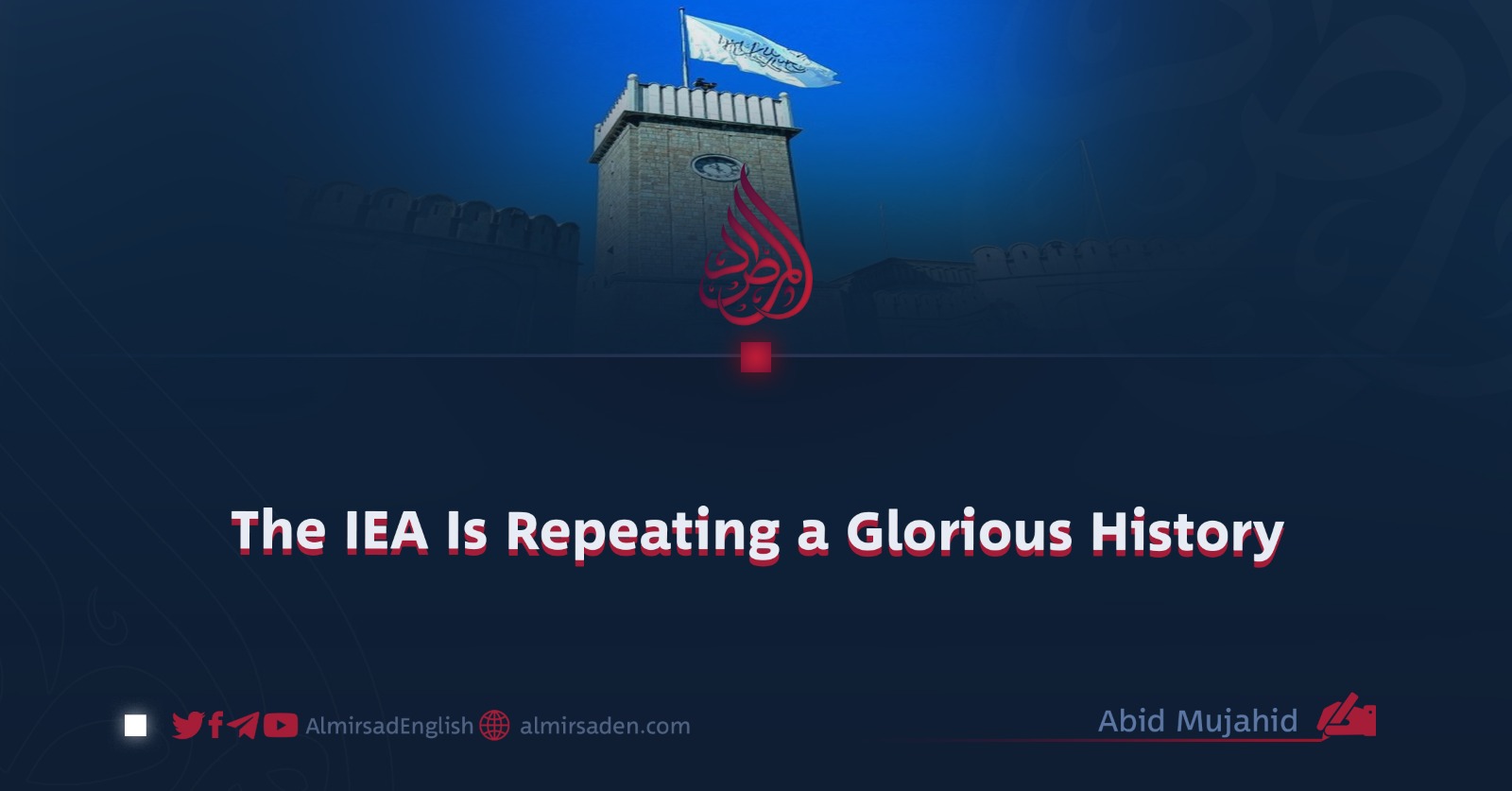
No one can point to a single period in Afghanistan’s distant or recent history and prove that Afghans were the aggressors against another nation. But neither can anyone prove that foreign aggression ever succeeded in subduing them. From Alexander the Great to the Mongols, from the Mughals to the Gurkanis, and from the British to the Soviets and the Americans, Afghans, by the help of Allah Almighty, brought every invader to such a defeat that none of them ever found the strength to rise again.
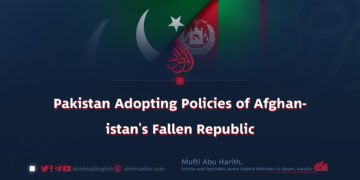
Pakistan’s military regime, now trapped in deep economic and political crises and having alienated Muslim populations within its own borders, has failed to maintain constructive relations with any of its neighboring countries. Built on occupied land and sustained by its support for terrorism, it is now trying to shift the burden of its own failures onto Afghanistan while presenting itself as an innocent and honorable state.
In keeping with the role assigned to it, spreading instability across the region, sheltering and supporting terrorists and Daesh Khawarij, obstructing major economic corridors and development projects, and, above all, discrediting Islam and Muslims, it once again tried to place the Islamic Emirate of Afghanistan (IEA) under religious, economic, and political pressure.
To achieve this, it martyred religious scholars, blocked major trade routes, campaigned internationally to discredit the IEA, trained Daesh Khawarij, provided propaganda and military support to the militias and failed officials of the collapsed republic, and used its own military to bomb the homes and public infrastructure of the Afghan people.
The IEA sought to resolve every issue through dialogue while observing Islamic values, human rights, and political norms. The only result, however, was that Pakistan’s mercenary military establishment grew even more emboldened. In the end, the Afghan government was compelled to respond in kind, for Afghans possess a proud and genuine history of confronting and eliminating oppressors, tyrants, aggressors, terrorists, and invaders.
From the IEA’s recent rapid operations in Balochistan and occupied Pashtunkhwa, which resulted in the elimination of numerous Daesh members, militias, and other hostile elements threatening Afghanistan’s security, as well as from the statements of IEA officials, the actions of its defense institutions, and the reporting of its media outlets, these operations leave little doubt that they amount to an open declaration of confrontation with Pakistan’s military regime. From this point forward, rather than merely responding to threats through defensive or retaliatory operations, the IEA intends to conduct offensive operations, eliminating every emerging threat while it is still in its infancy before it can endanger Afghanistan.
International organizations, regional states, tribal jirgas, and mediators have remained silent in the face of these offensive operations because the IEA waited a long time for negotiations to produce results, yet they achieved nothing. Therefore, responsibility for whatever consequences follow from the current situation rests with Pakistan’s military regime, which bears full accountability for bringing matters to this point.