















By Basir Abid
Afghanistan was once regarded as weak in terms of defense, both regionally and internationally. But it appears that the Islamic Emirate of Afghanistan (IEA) has turned that equation on its head. It has secured the country and is now moving to eliminate the threats that lie beyond its borders. For nearly five years, the Afghan government has protected and defended Afghanistan’s independence, national sovereignty, territorial integrity, and security with a level of success that surpasses many far more advanced countries.
For years, efforts were made at both the regional and international levels to keep Afghanistan weak and unstable so that others could easily exploit its geography for their own interests. Those efforts are still continuing openly through Pakistan’s mercenary military regime, and there may well be other regional and international hands behind them. Afghanistan has long had many regional and international enemies, both because of its economic importance and because of its commitment to a pure Islamic course.
Today, Afghanistan once again has a system founded on Islamic Sharia that has safeguarded the country’s interests and protected the full value of this land. Regional countries, seeing the success of the Afghan government’s policies, are trying to build relations with Kabul. Yet out of fear of the major powers, they continue to act with excessive caution.
Pakistan’s military regime, which throughout its history has served as a proxy for others, is once again trying, at the direction of outside powers, to use members of Afghanistan’s failed republican administration, the Daesh fitna, and its own mercenary forces against Afghanistan’s independence, national sovereignty, territorial integrity, and security.
America suffered a humiliating defeat in Afghanistan. Pakistan, meanwhile, has long been known as a breeding ground for terrorism. Its people are divided, its geography no longer holds exceptional strategic value, and it carries little weight in the region’s economic future. Throughout its history, it has sustained itself by renting out its services through the training and sponsorship of militant groups. It now appears that Pakistan is repeating that same pattern by taking on a new project from Western countries, particularly the United States, to destabilize Afghanistan through the training of Daesh militants, the regrouping of former republican proxies, and the use of its own mercenary forces.
The IEA recognized these realities early on and prepared itself accordingly. The IEA repeatedly warned Pakistan’s military regime about its mistakes and unjust aggression. But, as even many Pakistanis themselves say, the country’s military leadership has become so intoxicated by servitude that it has lost the ability to think clearly.
Fully aware of the threats coming from Pakistan, the IEA repeatedly issued warnings. Yet it became clear that Pakistan’s military regime was determined to follow the policy it had been given. As a result, the IEA had no choice but to act. It carried out operations inside Balochistan and Khyber Pakhtunkhwa against Daeshi Khawarij and other terrorist centers that posed a threat to the security of Afghanistan and its oppressed people.
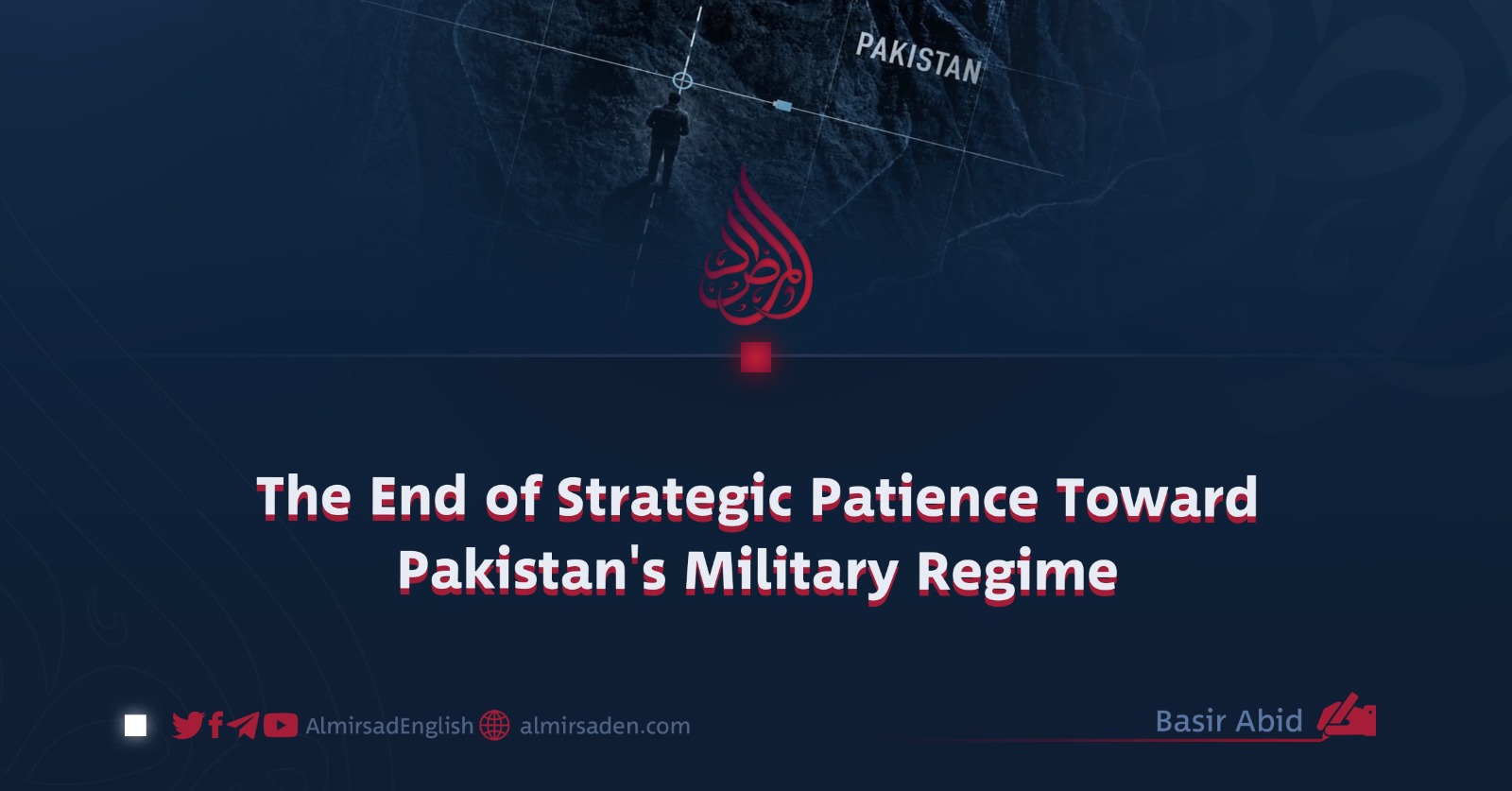
Judging from the available evidence and the conduct of the Afghan government, it appears that the policy of strategic patience toward Pakistan has come to an end. In its place, Afghanistan is likely to pursue a much stronger policy of swift and decisive response.