


Hammad
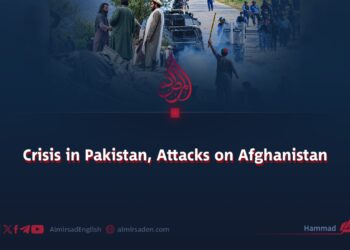
Under military rule, Pakistan has turned into a country that wakes up every morning to news of a new crisis. It looks as though this country has fallen into a whirlpool, and the more it thrashes about trying to save itself, the deeper it sinks. But if we look at the matter closely, we’ll see these crises are no longer accidents, they’ve turned into a structural, ongoing condition. From the economy to security, from politics to social affairs, everything in this country is tangled together, and it paints the picture of a chaotic, dismal state of affairs.
For years Pakistan’s economy has stayed on its feet only through foreign aid and endless, back-to-back loans. This country has now made 24 agreements with the IMF, and even the fund’s latest program is just a temporary painkiller, one that eases the pain without curing the disease. Economic growth sits below 3.5 percent, while the workforce grows by two million people every year. That means the number of unemployed keeps growing year after year.
The tax-to-GDP ratio stands at around 10 percent, unmatched anywhere in the region, meaning the government can’t even manage to collect revenue from its own economy. Public debt has reached about 66 percent of GDP, and this year the amount owed on foreign debt repayment has climbed to 12.8 billion dollars. That means Pakistan is forced, every year, to take on even more debt just to pay off its old debt, just to keep standing on its own feet.
Pakistan’s security situation has reached the point where even the capital isn’t safe anymore. In 2025, 699 attacks were recorded in this country, a 34 percent rise over the year before. In just one incident, in February 2026, a bombing at a Shia mosque (Imambargah) in Islamabad killed at least 31 people and wounded 169 others. In September of this same year, an explosives-laden vehicle rammed a security post in North Waziristan, killing 11 people. In May, an attack in Khyber-Pakhtunkhwa (K-P) province killed 15 police officers.
Official figures show that at least 860 Pakistani soldiers and police have been killed across the country since the start of this calendar year, a 22 percent increase over last year. These numbers say only one thing: Pakistan’s government has lost control of its own security situation.
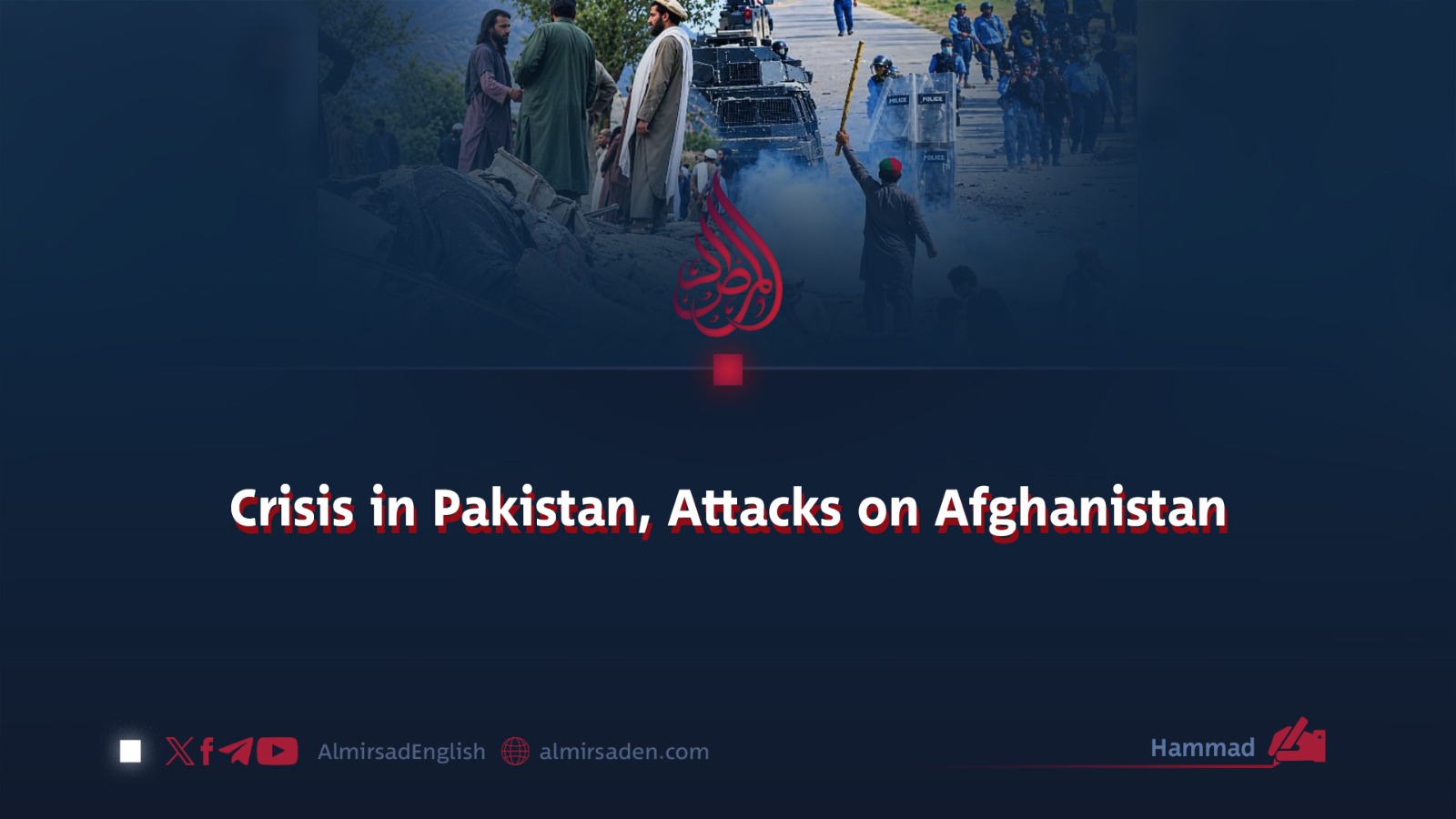
Pakistan’s political scene has also turned into a battlefield. Pakistan Tehreek-e-Insaf [PTI], led by Imran Khan, who is in prison, has called for nationwide protests on October 4, and the government has said it won’t let protesters into Islamabad. Security forces have deployed tens of thousands of personnel in the capital and sealed off the routes into the city. At the same time, Imran Khan’s sisters have been detained, and his party’s leaders are being kidnapped one after another. KP’s provincial officials openly say the country is heading toward “civil war.” This standoff isn’t just an ordinary political dispute, it’s a sign of the collapse of Pakistan’s own power structure.
In regions like K-P and Balochistan, the central government effectively has no meaningful presence at all. Belgium’s embassy has said in its own travel advisory that travel to these regions is “completely prohibited,” and attacks there happen weekly, even daily. That means a large part of Pakistan’s own territory has slipped out of the government and military regime’s control and turned into a place even this country’s own people don’t dare travel to.
But the bitterest part is this: when this helpless military regime finds itself powerless against these devastating crises, instead of trying to solve its own people’s problems, it turns to madness and stirring up fitna. Pakistan’s military regime has repeatedly tried to destabilize Afghanistan’s security by using terrorist groups like ISIS and “groups of evil and corruption.” This regime’s aim is clear: if it can’t solve its own internal crises, at least it wants to obstruct Afghanistan’s progress and security, so it can maybe draw a curtain over its own failures that way.
This conduct isn’t just inhuman and un-Islamic, it’s also the mark of a regime that will commit any crime to keep its own power alive. A regime that can’t even secure its own capital, how can it claim leadership of the region? This is the sad picture of a country being eaten alive by its own crises from within, with no sign of improvement anywhere on the horizon, but before it collapses under its own crises, it wants to drag its neighbor down into the same dark pit with it.
But they’re unaware of this fact: Afghanistan is no longer the ownerless, powerless country it once was. This land today has its true owners, a people who, after decades of hardship and struggle, took their own rule into their own hands, and won’t let any power violate their soil, honor, and security. With open eyes and steady hearts they guard every inch of their own land, and they’ll give a crushing response to any kind of aggression. May this security and progress, this dignity and pride, be poison in the eyes of this land’s ill-wishers and enemies; may the eyes of the envious go blind, and the hands of the aggressors be cut off.