




By Walid
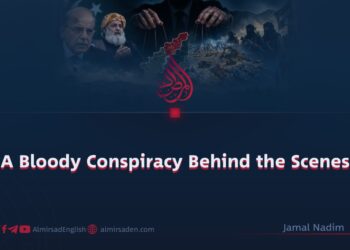
Pakistan’s military regime is currently facing some of the most serious challenges of its history, arising from public discontent, repression, and the choking off of nearly all the country’s economic, political, and social opportunities to Punjab alone. The military regime, which has in reality turned into the political inheritance of a specific party and family, looks down on other provinces and minorities as second-class citizens. The height of its shamelessness is that it openly throws dust in the eyes of the rest of the world and its neighbours, presenting itself as a victim of terrorism and a defender of human rights and equality.
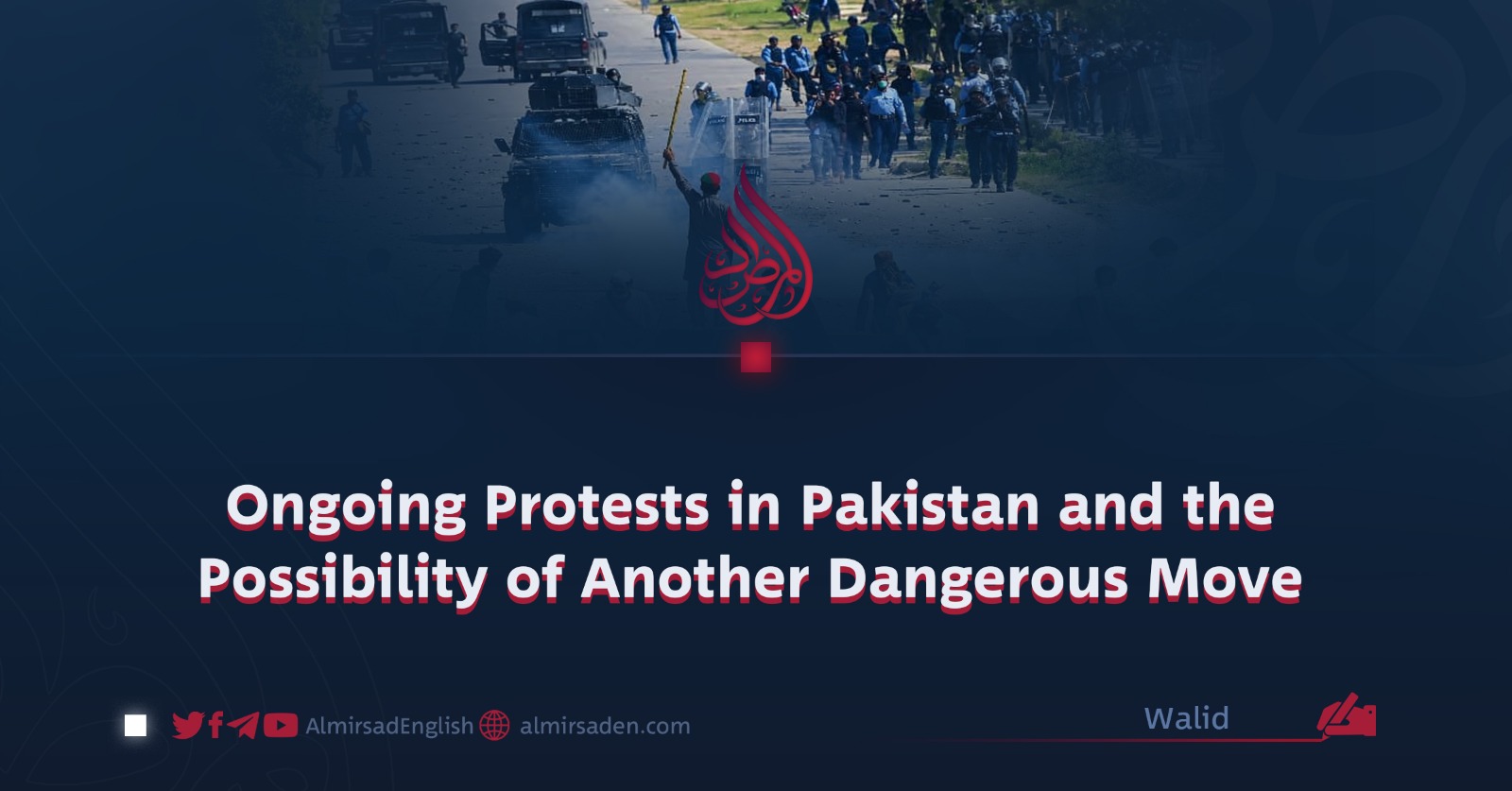
Imran Khan, the leader of Pakistan Tehreek-e-Insaf (PTI) political party and former prime minister, sits in prison in miserable conditions for opposing this very stance. His supporters, together with other non-partisan Pakistanis, are raising their voices for freedom, rights, and justice. The peaceful protests rising from every corner of the country are sending a clear message to Punjab’s rulers and the military regime: a crooked load never reaches its destination. The people won’t be fooled anymore. The regime must bow to the legitimate rights of all minorities, and stop spreading terrorism across the region and the world while cunningly portraying itself as terrorism’s victim.
These protests have found serious coverage in international media and have been given the name of a genuine popular movement. On the other side, Pakistan’s regime, for all its power, is so afraid of this popular movement that it’s sealed off every road into Islamabad with shipping containers and barbed wire. What does this mean? It carries a clear, decisive message: the military regime no longer has a place or credibility among the people, it can’t claim to represent Pakistan’s Muslim nation anymore, it’s really just a private contracting company implementing American and Western projects, one whose profits go to army generals and members of Nawaz Sharif’s party.
Another side of these ongoing protests is very important and serious, that control of the situation has now slipped out of the hands of Pakistan’s army and police. In these tense moments, they’ll naturally fall back on their old habit of dumping the blame for their own failures onto others. There’s a strong possibility they could carry out bombings among the protesters themselves, or drone strikes, and then pin the blame on Afghanistan, to kill two birds with one stone, first showing the world that Pakistan’s insecurity comes from Afghanistan, and second spreading propaganda among their own people that Afghanistan’s government is somehow the enemy of Pakistan’s people and protesters.
Committed media outlets, civil society activists, and organizers of Pakistan’s protests need to pay very close attention to this sensitivity and to the military regime’s ugly, hidden face from exactly this angle, because this is exactly the kind of last-ditch attempt used to shut down a genuine popular movement and protest. Past events have shown, again and again, that Pakistan’s regime has a long track record of playing the victim while dumping the blame for its own failures onto others, and it has plenty of practice staging false scenes and presenting a positive face to the world.
The protesters understand that the military regime has never once shown mercy toward the Afghan nation, it’s carrying out ruthless bombing in border regions, killing children and women, and recognizes no principle at all in the name of humanity or good neighbourliness.
That’s exactly why, if such incidents do happen, the Afghan government and people would have no hand in them at all, they’d instead be a supporter of these people’s just struggle and their successes. But this also signals that the military regime is standing at the last stage of its own double-dealing, servitude, and protecting Western interests, and it can no longer secure its own military survival and its party’s strategic interests through deception and throwing dust in the world’s eyes, because it’s lost its credibility on the international stage, and it no longer has its most important source of strength, the people’s support, because instead of acting as a government, it’s acting as a contracted, authoritarian company.