










Part 6
By Ehsan
How Did Daesh Go Even Further Than the Khawarij?
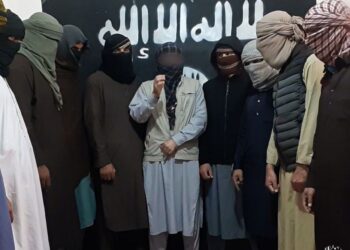
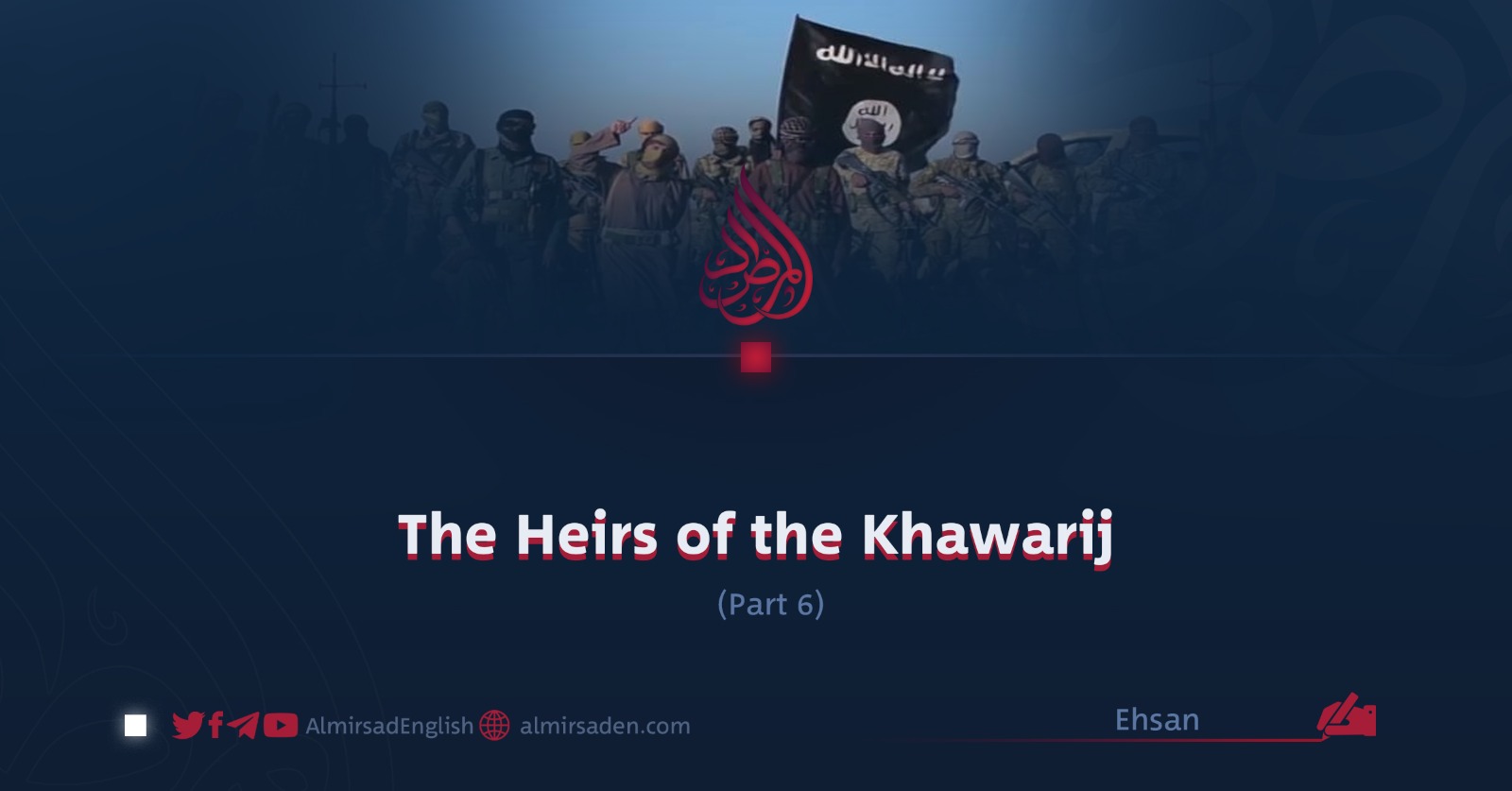
Today, many scholars, researchers, analysts, and even jihadist groups that opposed Daesh describe it as “the evil heirs of the Khawarij.” This is not just another label. It reflects a deeper historical and ideological reality. Although Daesh presents itself as the force that restored the Islamic Caliphate and revived “pure Islam,” what it actually revived was the same deviant ideology of the Khawarij, only dressed in modern methods and a new form.
They are called the “evil heirs” because they did not merely follow the Khawarij’s path. In many ways, they went even further. As mentioned earlier, the Khawarij were the first group in Islamic history to declare Muslims unbelievers and make their blood lawful. Daesh followed the same path, but on a far wider and more dangerous scale. The Khawarij of their time declared only Ali (RA) and his followers to be unbelievers. Daesh, however, did not stop with the Shia. It branded many Sunni Muslims who disagreed with its thinking as unbelievers as well. It called Sufis polytheists and beheaded them. It declared the ikhwanis apostates and killed them. It branded intellectuals as unbelievers and eliminated them. It even expelled other jihadist groups from the fold of Islam.
Abu Muhammad al-Maqdisi, one of the leading ideological figures of the global jihadist movement, said of Baghdadi’s caliphate and Daesh:
“By Allah, I have never seen thieves, bandits, traitors, and deceivers anywhere like those in Daesh.”
He also said:
“They are worse than the Khawarij.”
When one of the best-known jihadist ideologues speaks this way, it is itself clear evidence that, even in the eyes of other jihadist movements, Daesh had become the most extreme and deviant of them all.
The main difference between Daesh and the early Khawarij lies in their methods, not in their beliefs.
The Khawarij fought with swords and fiery sermons. Daesh spread the same old deviant ideology with machine guns, heavy weapons, satellite technology, the internet, and professionally produced videos. Another aspect of Daesh’s depravity lay in the way it embraced violence while claiming to be building a state. The group adopted what could only be described as a strategy of terror, turning the killing of innocent and defenseless people into a systematic campaign. Mass beheadings, burning prisoners alive, setting psychiatric hospital patients on fire, drowning people inside metal cages, and filming and distributing all these crimes in high-definition videos are atrocities for which there is no precedent even in the history of the Khawarij.
The early Khawarij never claimed to have established a state in the modern sense. Daesh, however, proclaimed itself the legitimate ruler of the entire Muslim world under the banner of the “Caliphate” and declared a state with territory, a capital, government institutions, and official media outlets. That shift, from an armed rebellion to claiming statehood, is one of the defining features of today’s Khawarij.
It is also worth noting that al-Qaeda, itself a jihadist organization, completely severed its organizational ties with Daesh. It described the group as rebellious and as having abandoned the proper path of jihad. Al-Qaeda’s leader, Ayman al-Zawahiri, likewise condemned Daesh for its unprecedented extremism and its widespread practice of takfir. That position shows just how far Daesh had strayed. It had reached a point where even other jihadist groups were unwilling to stand beside it. The Islamic Emirate of Afghanistan (IEA) recognized this reality and placed itself at the forefront of the fight against these “evil heirs.” Through its actions, it has shown that Daesh has brought nothing to Islam except destruction, bloodshed, and disgrace.
In the end, what makes Daesh the “evil heir” of the Khawarij is that it carried their ideas even further. It expanded takfir from targeting a limited group to condemning large sections of the Muslim Ummah. It replaced the sword with modern technology. It transformed ordinary violence into systematic, media-driven brutality. And it moved beyond rebellion to claiming statehood and a global caliphate.
It is this combination of extremism and deviation that has made Daesh the most dangerous and ruthless revival of Khawarij thought in history.