















Sajid
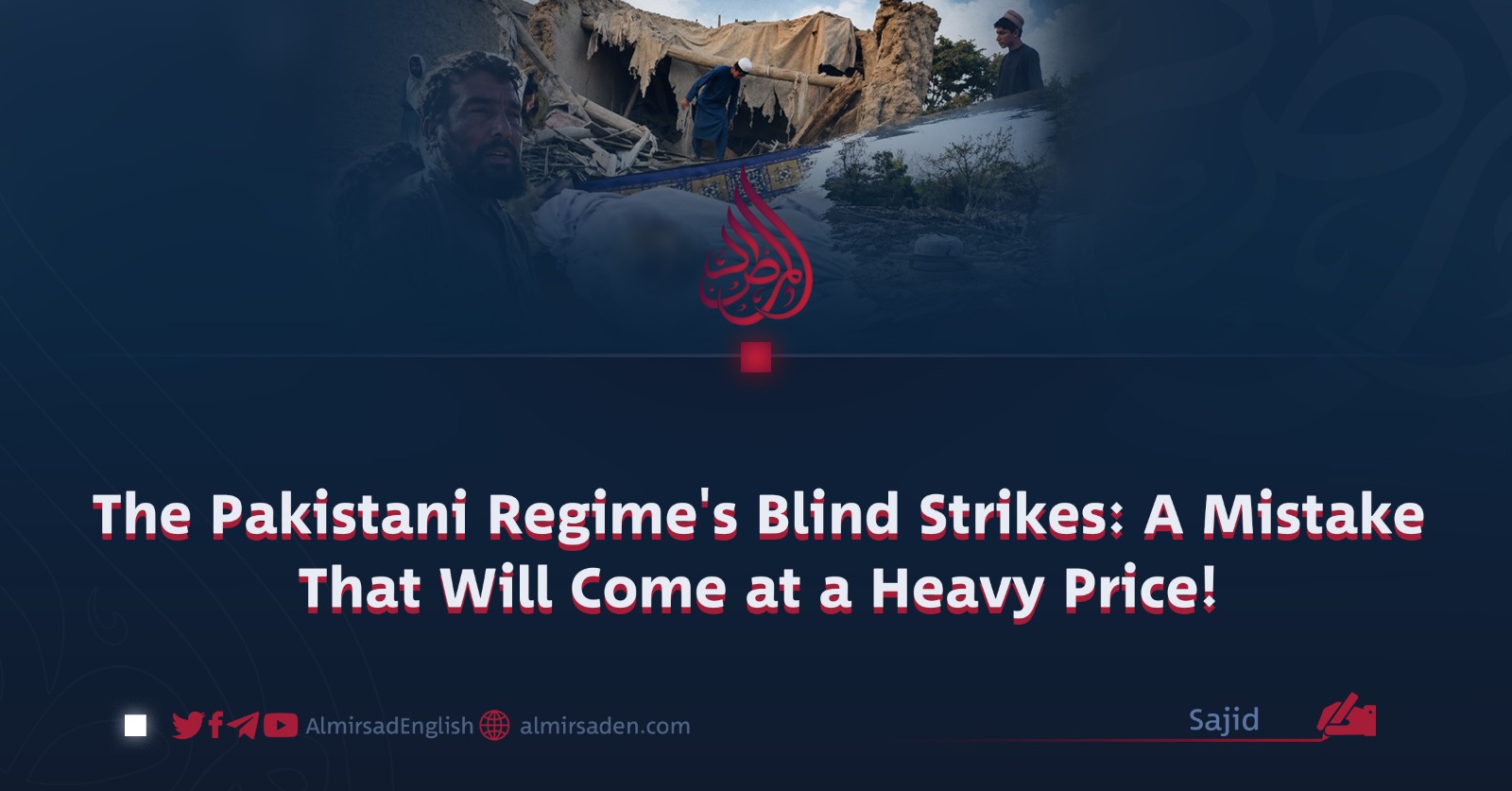
Last night’s airstrikes on parts of Kunar and Paktika are concerning, unignorable acts. The continuation of this kind of strike shows that Pakistan’s regime is still pursuing its own military strategy, using unreasonable actions as a tool of pressure, conduct that won’t just fail to solve existing problems, it could push the region into a whole new phase of violence and instability.
Those making the decision behind these strikes need to understand this clearly: Afghanistan isn’t the kind of land that stays silent in the face of foreign aggression and injustice. Throughout history, the Afghan people have stood their ground against invasions time and time again, and this land’s historical experience has shown that these kinds of blind actions will only increase confrontation and deepen divisions.
The regime’s officials in Islamabad might consider these strikes limited, temporary measures, but every military action carries its own political and security consequences. No strike comes without cost or accountability, and the continuation of this approach could bring consequences far larger than what those responsible had originally calculated. A necessary warning has already been given before: continuing these strikes and provocative actions will only deepen the atmosphere of distrust and make the path toward resolving disputes even harder.
Today, this same regime, which created this insecurity and these problems itself, is trying to pin the blame on its neighbor. If the real goal is genuinely establishing security and stability in the region, then repeating these kinds of military strikes can’t be presented as a lasting solution, because security isn’t built by targeting and threatening ordinary people, it requires accountability, mutual respect, and wise management of disputes.
Afghanistan’s history is witness to this: this nation has never remained indifferent in the face of oppression and aggression. Any power that calls Afghanistan weak or silent will sooner or later come face to face with this land’s realities. Those deciding on these strikes today need to understand that military decisions aren’t weighed only on the battlefield, their consequences also stay with us in the fields of politics, security, regional relations, and history.
Even though this bloody regime today aims to harm Afghanistan’s Islamic system, training opposition groups and Khawarij on its own soil on one hand, and committing crimes like bombing ordinary people inside Afghanistan on the other, this is a fantasy, an impossibility, and madness. With Allah’s help, you will never reach these wrongful goals of yours.
We insist once again that letting this situation continue could tangle relations between both sides of the Durand Line even further and create a cycle of distrust and crisis. That’s why the responsibility for preventing this crisis from growing falls on those who started these provocative actions in the first place. Stopping the strikes and choosing the path of dialogue is the wisest way to prevent further costs.
Real strength isn’t limited to starting wars and putting on a display of force, it also lies in the ability to prevent crisis, respect others’ sovereignty, and accept responsibility for one’s own decisions. Military strikes might be seen, in the short term, as a show of strength, but if they aren’t paired with careful calculation, they can turn into a mistake that becomes very hard to fix.
That’s why the recent strikes should be seen as a serious warning. Continuing this approach could bring heavy consequences for those responsible and force them to accept responsibility for their own decisions. There’s still time to reconsider this approach and prevent the crisis from spreading, but with every continuation of strikes and actions that create tension, this window keeps narrowing by the day.
The people of Afghanistan don’t want war and violence, but they can’t tolerate force and oppression either.
Those who insist on continuing down this path need to understand that every action carries its own responsibility and cost, and they might one day come to regret the decisions they’re making today with such an easy heart.