



















By Sultan Muhammad Saqib
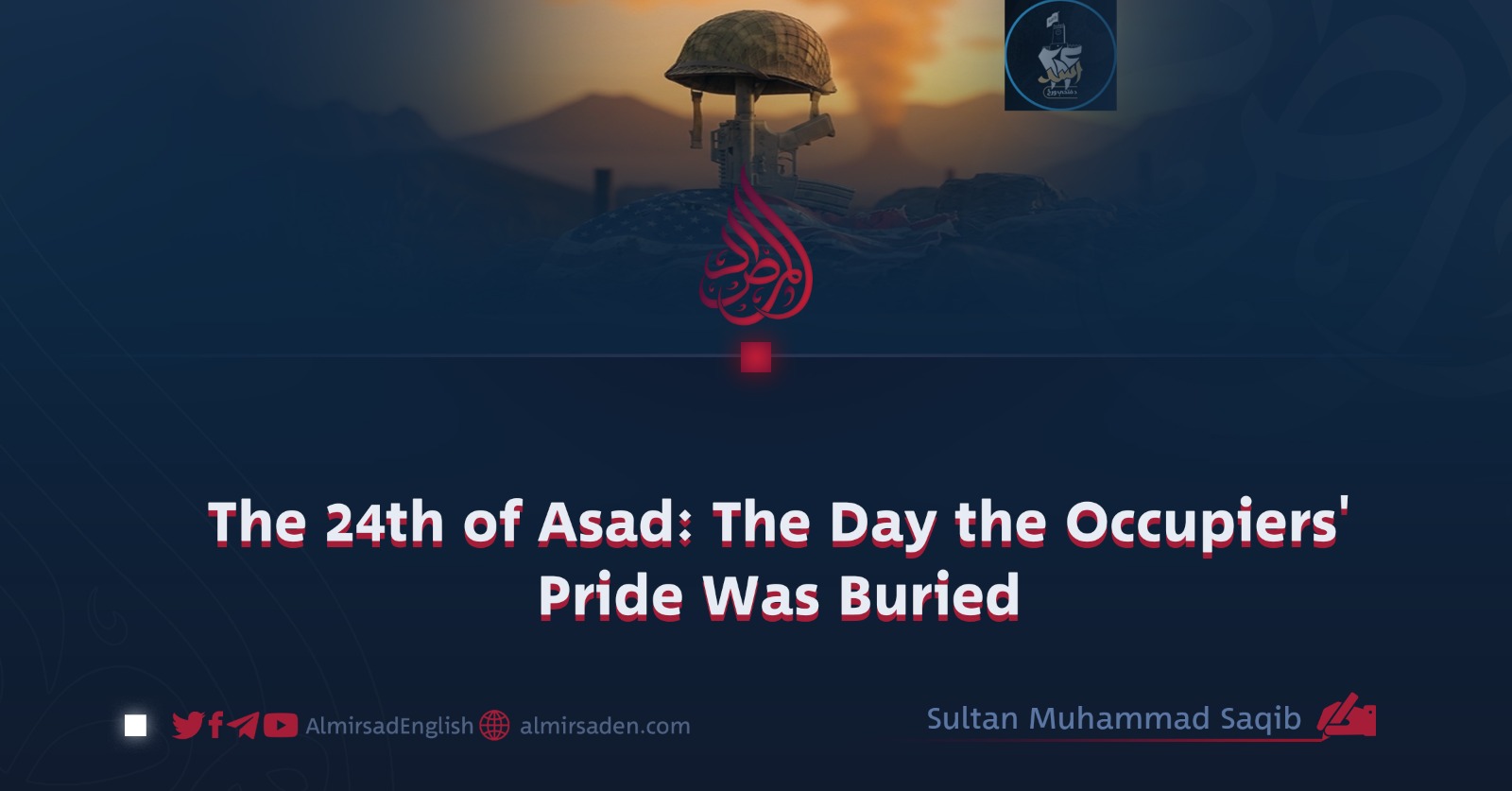
The 24th of Asad is a historic day. Five years ago, on this very day, with the special help of Allah Almighty and as a result of the Afghan people’s long jihad, Kabul was conquered and the white flag of freedom was raised over it. It is the day that was recorded in the pages of history as a day of great change, victory, and the breaking of the occupiers’ pride. It was the day when the strongholds of force, arrogance, and oppression that had claimed for years that they could never be brought down finally collapsed.
The occupiers thought that the power of weapons, advanced technology, and large military forces would break the will of a nation. But history once again proved that the faith of nations, their honor, love of freedom, and sacrifices can stand against all forms of arrogance. Some days in history do not remain only on the calendar. They are written in the hearts of nations, in the blood of martyrs, and in the tears of mothers. The 24th of Asad is one of those lasting days. It was the day when the Afghan people showed the world that the living faith of a nation and its desire for freedom cannot be defeated by force and arrogance.
This day is a reminder of the sacrifices of those brave people who endured difficult days for their honor, independence, the establishment of an Islamic system, and their values.
It carries a message that no power can rule over the will of a people forever, and no arrogance can escape the judgment of history. The 24th of Asad is the day when the occupiers’ pride was buried and a new page of freedom was opened, a page written in the color of sacrifice, with the strength of patience and in the light of the hopes of future generations.
But this freedom was not gained easily. It was won through the blood of martyrs, the tears of mothers, the cries of orphans, and the pain of families who sacrificed their loved ones on this land for the establishment of an Islamic system. Every breath of freedom stands on the sacrifices of thousands. The history of the Afghan nation bears witness that this people did not exchange a long life of humiliation for a brief moment of honor. They endured hardships. Their homes were destroyed and their families were left grieving, but they never accepted the chains of slavery.
Do not look at this day only through the noise of victory. Behind it are the tears of the mother whose son never returned home. There is the pain of the orphan whose father’s embrace was left empty forever. There is also the blood of young men who sacrificed the springtime of their lives for the honor of Islam. The 24th of Asad is a golden page of sacrifice, honor, and independence. It is the day that opened the way for a new chapter in Afghan history, an epic written with the pen of honor and the blood of sacrifice.
The sun of freedom on the 24th of Asad rose from the sacrifices of the martyrs. After rivers of blood, the morning of hope appeared. It recorded the story of a nation’s perseverance on the forehead of history. Finally, on this day, the occupiers and the republic were buried, and people offered prostrations of gratitude for freedom.
Let us, at the threshold of this proud day, ask our own conscience: Are we truly the heirs of those sacrifices, or do we merely tell stories about their glory? If we do not protect the value of freedom through our actions, history will not consider us worthy guardians of the trust handed down to us by our forefathers.
When the price of a nation’s freedom is blood, its protection cannot be secured through slogans alone. Freedom requires honor. It requires loyalty. It requires unity. And it requires a generation that understands the value of the sacrifices made by its martyrs. For us, freedom is not simply the independence of our homeland. Freedom is our honor, our identity, the trust left to us by our martyrs, and the right of our future generations.
Nations do not die when they give martyrs. Nations die when they forget the sacrifices of their martyrs.