



















By Khalil
Pakistan is home to many nations that have lived side by side for generations, sharing both hardship and happiness. Their closeness and brotherhood have never been accidental. It has always been part of their natural way of life. The military regime that rules the country, however, has followed a very different path. Instead of preserving that unity, it has consistently tried to widen the gap between these communities, hoping to profit from the confusion it creates.
Before looking at what the regime hopes to gain from this dangerous game in both the short and long term, it is worth examining the evidence that such a policy is already taking shape.
Many analysts believe Pakistan’s latest plan relies on former Arbakis and other takfiri groups to turn the Baloch and the Pashtuns against each other. In other words, the regime is deliberately trying to create hostility between two of the region’s largest nations.
Although Pakistan’s rulers portray their government as one chosen by the people, the reality is very different. Every regime that has ruled Pakistan has worn civilian clothing while real power remained in military hands. This authoritarian system has done enormous damage to the country’s ethnic balance. It has also stripped away the credibility of the democracy that Islamabad continues to present to the West and America as a moderate political model.
Pakistan has a long and dark history of assassinating tribal elders and influential community leaders. Many have been assassinated or disappeared under the familiar label of “unknown gunmen,” while the real planning has taken place within the military establishment. In their place, individuals loyal to the regime, rather than to their own people, have been elevated as tribal representatives and community figures.
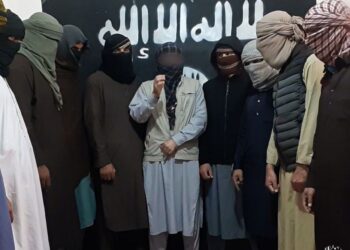
Using different excuses and tactics, the regime has repeatedly fueled disputes among ethnic groups and their leaders. Its latest project is no different. Against the Baloch freedom movement, it has recruited former Arbakis and other violent elements into armed groups. These men are being trained in the tribal areas with the aim of dragging the Pashtuns and the Baloch into an undeclared armed conflict with one another.
This is an especially sensitive issue because the Pashtuns and the Baloch have long shared close brotherly ties. They even observed a special day celebrating their unity. The bond between them has always been strong enough to challenge successive governments in Pakistan. Yet today, the Pakistani regime is deliberately trying to turn the two peoples against each other by using hired fighters who have neither land nor country of their own, only training for wars without a cause. Many of them once fought in Afghanistan as proxies of the American occupation, killing their own people. Today, under the protection and training of Pakistan’s military regime, they are being used against a people who are fighting for their rights and their security. Unable to defeat them directly, the regime now seeks to give the conflict an ethnic character.
What does Pakistan hope to gain from this dangerous policy?
The first thing to recognize is this. Pakistan is now facing deep security instability. As a state, it is steadily losing what remains of its legitimacy. It is under pressure from Baloch armed groups, the TTP, and even other armed groups that it once helped create. This weakness is no longer something the regime can hide from its own people. That is why it has turned to this new plan. On one hand, it hopes to reduce casualties among its own soldiers and militias. On the other, it wants to ignite an ethnic conflict that will overshadow the struggles for Balochistan and Pashtunistan, as well as the TTP’s campaign, replacing political demands with ethnic confrontation.
The Baloch and Pashtun tribal elders, along with those who understand the danger of this scheme, should recognize what the Pakistani regime is attempting to do. They should not allow former Arbakis and other violent elements to present themselves as representatives of the Pashtuns while taking up arms against Baloch fighters whose women, children, and families have been killed in Pakistani military operations and aerial bombardments.
Preventing this conflict would expose the weakness of the Pakistani regime, along with the deadly policies of its military establishment and its Punjab-centered political agenda. More importantly, it would help preserve the unity of Pakistan’s nations instead of allowing the regime to divide them for its own survival.