




















By Jaber Jamal
In the troubled and tense geography of South Asia, where borders are drawn not only on paper but also across the lives and destinies of people, Pakistan’s military regime is once again showing its true face. This time, it has acted not as a neighbor, but as a dangerous and reckless player, taking a step that could seriously threaten the stability of the region for years to come.
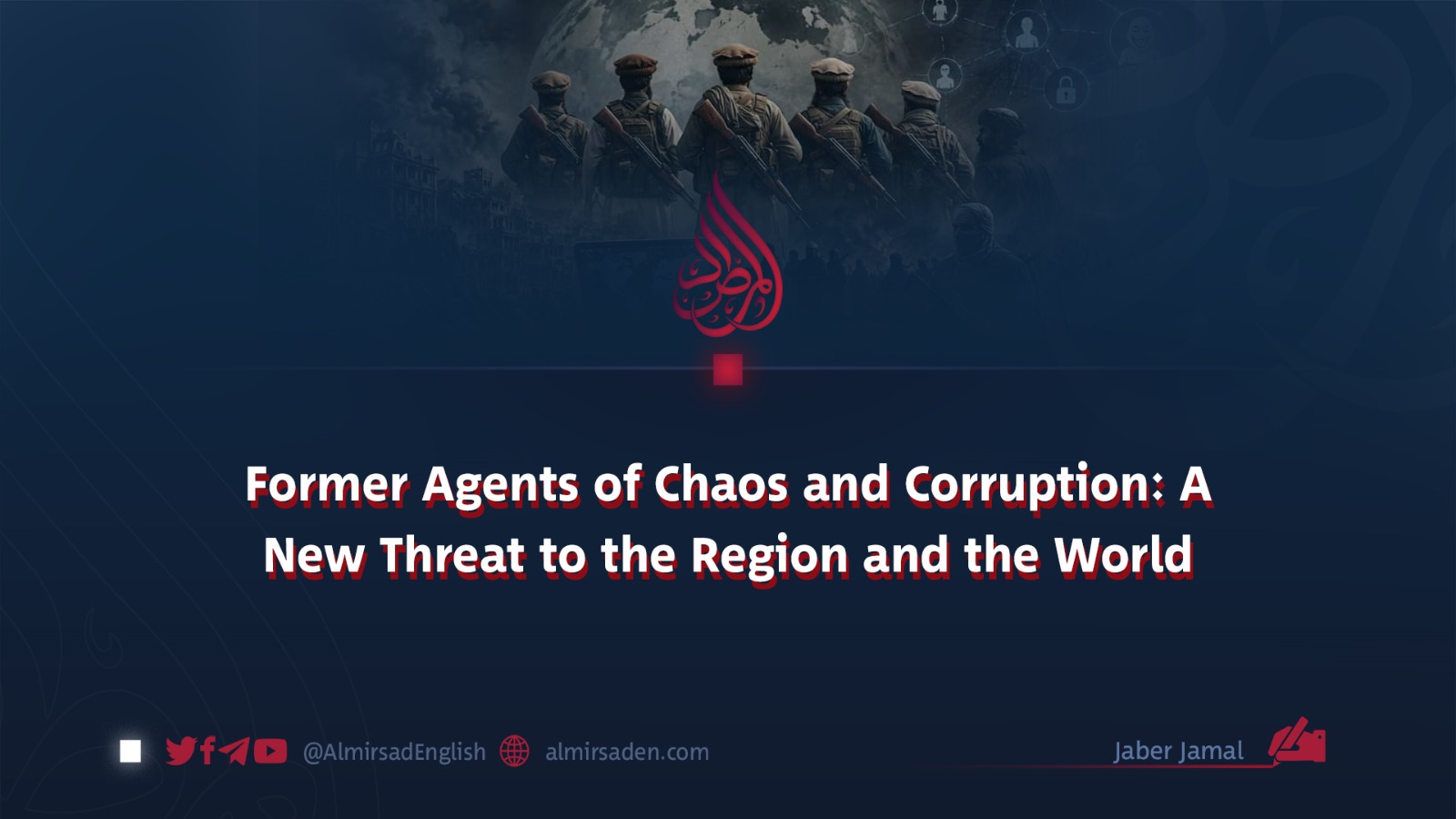
The re-recruitment of former Arbakis, those rootless and defeated elements who once served Afghanistan’s former regimes, and their use as new pieces on the region’s security chessboard, not only exposes Islamabad’s strategic weakness but also signals the emergence of a new and dangerous crisis. The same Arbakis who once stood alongside foreign occupiers and their local supporters have now been turned by Pakistan’s military regime into a tool for division, chaos, and insecurity.
Pakistan’s military regime, which has a long record of supporting and training terrorist groups such as ISIS, is once again following a familiar formula of instability by reviving Arbaki networks.
This dangerous game, being carried out in secret training centers in Balochistan and Khyber Pakhtunkhwa, is not merely an attempt to destabilize Afghanistan. It is also an attempt to destabilize the entire region, threaten international security, and even create disorder inside Pakistan itself.
What makes this more concerning is that, contrary to what many may assume, these forces do not have any organized or powerful structure of their own. Even so, they can become a serious threat to the region and the world. With the broad support of the Pakistani military, these elements are gradually but steadily weakening the foundations of political stability in the region and inflicting deep wounds through poisonous tactics of division and disorder.
The importance of this issue lies in the fact that Pakistan has crossed the limits of a dangerous game by giving shelter to elements whose record contains little beyond oppression, crime, and chaos.
The history of these groups in Afghanistan, particularly their experience during the republican period, clearly shows that they were never fully under the control of the central government. Instead, as armed men acting on their own authority, they weakened the government’s authority and harassed ordinary people.
Now that these fugitive and weakened elements have been gathered under the support of Pakistani intelligence agencies, they could become not only a tool for threatening Afghanistan but also a serious security challenge for Pakistan and the entire region.
Reports of widespread protests and public opposition in Balochistan against the presence of these forces show that even inside Pakistan, this project is facing growing resistance. These protests indicate that the crisis will soon move beyond the limits of a security project and become a serious challenge to Pakistan’s political stability.
On the other hand, Pakistan’s move does not threaten only Afghanistan and the Baloch people. It also poses a serious danger to regional stability and international security.
Training irresponsible armed groups outside the legal framework of states has always led to the emergence of unstable and dangerous elements that can be used by different sides for their own purposes at any time. Groups that have no commitment to moral or human values and operate only on the basis of financial interests and personal rewards can easily join international extremist networks and movements, bringing a new form of extremism to the region.
In reality, what Pakistan is training is not a controllable armed force. It is a fire whose flames will soon reach the same country and its neighbors.
This approach, which repeats the failed experiences of the past in supporting terrorist groups, shows that Islamabad has still learned nothing from history and continues to believe that a danger it has trained can be kept under its control for short-term gains. What it fails to understand is that this very disaster will one day strike its own creator. This move by Pakistan’s military regime should not be viewed merely as a security operation. It should be understood as part of a broader project aimed at changing the region’s equations and weakening political stability.
This dangerous game, tied to Islamabad’s double standards and its covert support for terrorism, carries a clear message for the world: countries that use terrorism as a tool of foreign policy will remain a lasting threat to international peace and security.
Turning corrupt Arbakis into new pieces in this dirty game has no justification.
Rather, it is a sign of the weakness and desperation of Pakistan’s military leaders, who are trying to preserve their influence and power by every possible means. But the reality is that this project, like similar projects in the past, will also fail. And the very problem they are creating today will one day become the greatest security threat to Pakistan itself and to the stability of the entire region.