













Rafiq
Pakistan’s military regime has once again taken the path of crime, turning Afghanistan’s ordinary people, their homes, and their towns into targets of that crime. This is who knows how many times it has repeated the same crimes and the same savagery. What’s the cause behind these crimes and this savagery, and what will the reckoning for them look like?
Because of its own bad political, military, and economic policy, Pakistan’s military regime is facing internal division between its own people and political parties, its local and administrative authority split and fractured among competing factions. The army’s internal command has become prey to the aims and plans of various countries’ intelligence agencies, and because of this, its influence, strength, and its own island of power have been eroded.
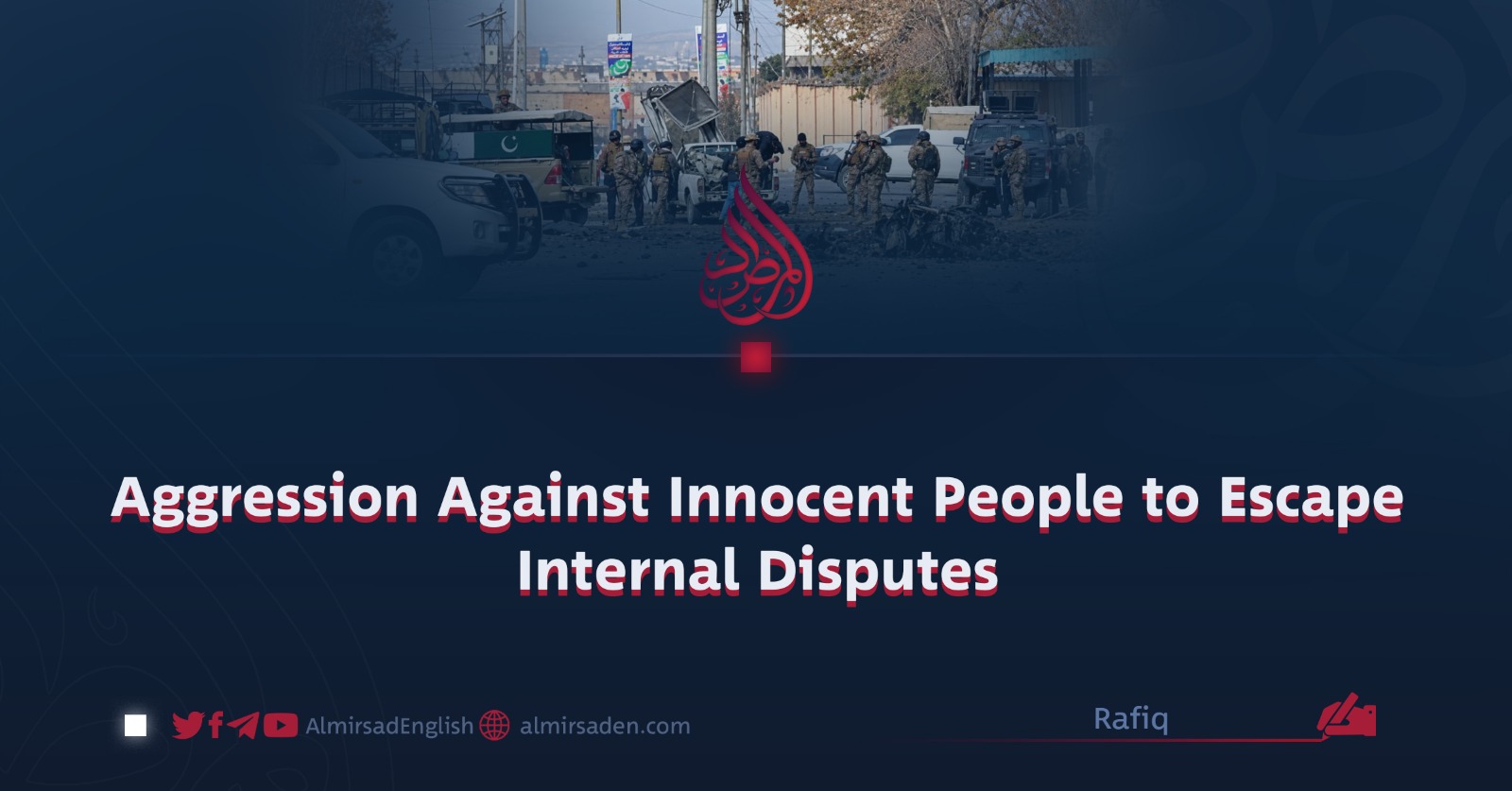
Now this regime, to erase the effects of its own internal crisis and decline, is forced to falsely point at outside causes in the name of internal stability, so it can keep a lid on political and public distrust to some degree. In recent days you saw this regime’s false claims that Afghanistan had launched drone attacks, when in reality no such action had come from Afghanistan’s side at all. They planned this claim in advance so that, whenever there are protests by internal opposition parties, they can carry out drone strikes and their own landmine explosions themselves, then pin the blame on Afghanistan and turn to their own people and parties saying: our crime is justified.
How interesting!
They’re drawing up policies so absurd and laughable that you’d think they must believe themselves clever, that no one else can see through their own hypocritical conduct and policies. Before this, they created failed proxy groups of chaos and corruption, on one hand to damage and destabilize Afghanistan, and on the other to show the world and other nations that Afghanistan is a haven for terrorist groups.
This is exactly how the continuation of crimes by Pakistan’s military regime is playing out, martyring Afghanistan’s oppressed ordinary Muslims and burning their homes down with gunpowder, all while calling this act self-defense and counterterrorism. There are several reasons that have forced this regime into this kind of conduct:
Internal decline and political weakness: this is the cause that has brought this regime to the edge of collapse, left it without any public support at all, with nothing left but force and coercion.
Foreign commitments: whenever this regime signs a military or defense pact with some foreign country, and then that same country faces war, Pakistan’s regime, instead of honoring its defense-pact commitments, keeps itself busy with Afghanistan and India instead, so it doesn’t get pulled into the very pact it signed for defense.
It first signed a pact with Saudi Arabia. When tension flared up between Saudi Arabia and Iran, Pakistan’s military regime immediately attacked India, to show Saudi Arabia: look, we’re already tied up with India. Now it’s signed another pact, this one under the name of defending Mecca. It’s a test from Allah (SWT): the Houthis of Yemen rose up and attacked Saudi Arabia, and today Pakistan has risen up too, turning the homes and buildings of oppressed Afghans into prey in the name of fighting terrorism and war, while at the same time keeping intelligence-orchestrated insecurity running for hours inside its own country, so it won’t be blamed by Saudi Arabia and can present itself as: I’m caught up in wars both at home and abroad.
And in a second step, to give its own people an indirect message about internal wars and insecurity, that Afghanistan is the cause of all internal insecurity and war.
Afghanistan, its people, and its soil aren’t a tool for hiding Pakistan’s hypocrisy and double-dealing, nor for it to use to save itself from guilt and weakness, repeating whatever it pleases. Afghanistan now has a leadership that can answer aggression in kind. What exists today is something with which we can answer well the crimes and atrocities of this regime, and at the same time we also have the capability to uproot mischief and corruption at its root. We’ve already taken the coordinates of the important installations, military infrastructure, advanced equipment and vehicles, and important civilian infrastructure of this regime, which, if the need arises, will be brought under precise, heavy strikes by the IEA Air Force. Then they’ll understand how heavy and how costly a reckoning the repetition of crime and hypocrisy carries.