











Part 4
Saeed
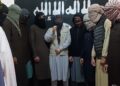
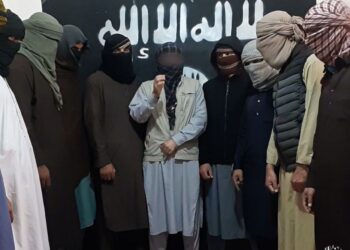
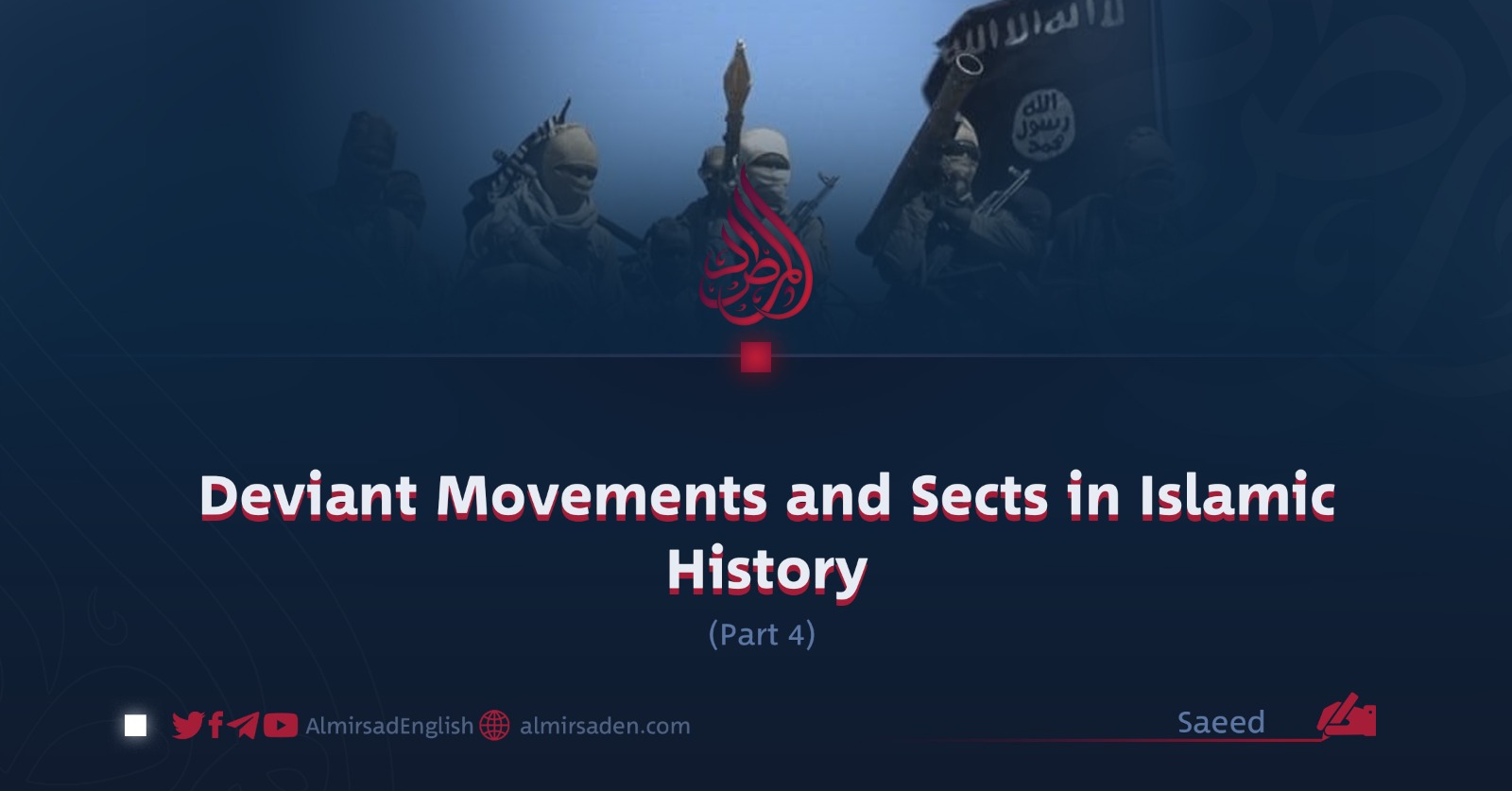
History is a mirror, and if we look into it closely, we see our present condition reflected in it. The Khawarij passed away centuries ago, but their thinking stayed alive. They met their end on the soil of Nahrawan, but the ideas of takfir, violence, literalism and extremism lived on, and from time to time they surface in the form of various groups. ISIS is one example of this same deviant thinking: a group that calls itself the “Islamic State” yet has taken the path of killing and violence against Muslims.
The Ummah’s great scholars have said plainly that ISIS is a continuation of the thinking of the early Khawarij, the same Khawarij about whom the Prophet (PBUH) said:
“يَقْتُلُونَ أَهْلَ الْإِسْلَامِ وَيَدَعُونَ أَهْلَ الْأَوْثَانِ”
“They kill the Muslims and leave the idolaters.”
1. The first lesson for today is the danger of takfir over sin. The Khawarij counted the perpetrator of a major sin a disbeliever, and on that basis they held the shedding of Muslim blood lawful. ISIS took the same road: in its own fabricated fatwas it declared Muslims outside the fold of Islam over sin or intellectual disagreement, and it called killing them an act of worship.
2. The second lesson is to recognize the Khawarij’s marks in the words of the Messenger of Allah (PBUH). The Prophet (PBUH) did more than announce their coming. He described their signs so precisely that it is as though he had seen them with his own eyes: “a people young in age and foolish in mind,” young people who say the finest things people say and recite the Quran, but it doesn’t go beyond their throats, and who leave the religion as an arrow goes through its prey.
This description fits ISIS and similar groups exactly: young people fooled by the slogans of “caliphate” and “jihad,” who have recited the Holy Quran and prayed, but in practice have shed Muslim blood and destroyed cities. Sheikh Abdul Muhsin Al Abbad, a teacher at the Prophet’s Mosque, has also called ISIS a “sect” that arose in Iraq and is built on takfir and on treating Muslim blood as lawful.
3. The third lesson is the role of scholars against takfiri currents. The Khawarij took a stand against Ali (RA) and Ibn Abbas (RA), but in every age the Ummah’s scholars have the responsibility to speak the truth. Today too, the scholars of every region must teach young people a sound understanding of the religion before they are caught in the trap of takfir. Daesh even declared Ibn Baz, Ibn Uthaymin and al-Albani disbelievers. This is itself clear proof that once the chain of takfir begins, no one is safe from it, not even the Ummah’s greatest scholars.
4. The fourth lesson is to avoid literalism in religion. The Khawarij were worshippers, but instead of bringing them closer to Allah (SWT), their worship led them to draw their swords against Muslims. Today too, takfiri currents deceive young people behind an outward show of piety. The lesson is that the religion should be learned from scholars of deep religious knowledge, not from emotional preachers or from cyberspace, where everyone considers himself an interpreter of the Quran and a faqih.
5. The last lesson is to keep hope in Allah’s (SWT) mercy and to avoid despair and extremism. The Khawarij despaired of Allah’s (SWT) mercy and held sinners to be in the Fire forever. But Ahl al-Sunnah wa al-Jama’ah live between fear and hope: they call a sin a sin, but they don’t close the door of repentance, and they don’t declare a Muslim a disbeliever lightly. This moderation is the path the Prophet (PBUH) and the noble Companions took, and it saved the Ummah from being broken into pieces. The Khawarij are gone, but their lesson remains: whoever takes up the religion without knowledge and through takfir will end up with a sword that finally turns on his own neck.