














Part 6
Abdul Wahid
Reciting the Holy Quran Without Understanding and Reflection
Another trait of the Khawarij, pointed to in the authentic hadiths of the Messenger of Allah (PBUH), was that they would recite the Holy Quran without understanding its true meaning and message, and its guidance had no effect on their conduct and actions. In truth, they were devoted to reciting the Holy Quran and recited it a great deal. The main problem, though, was that they misunderstood the Quran’s guidance and failed to apply it correctly.
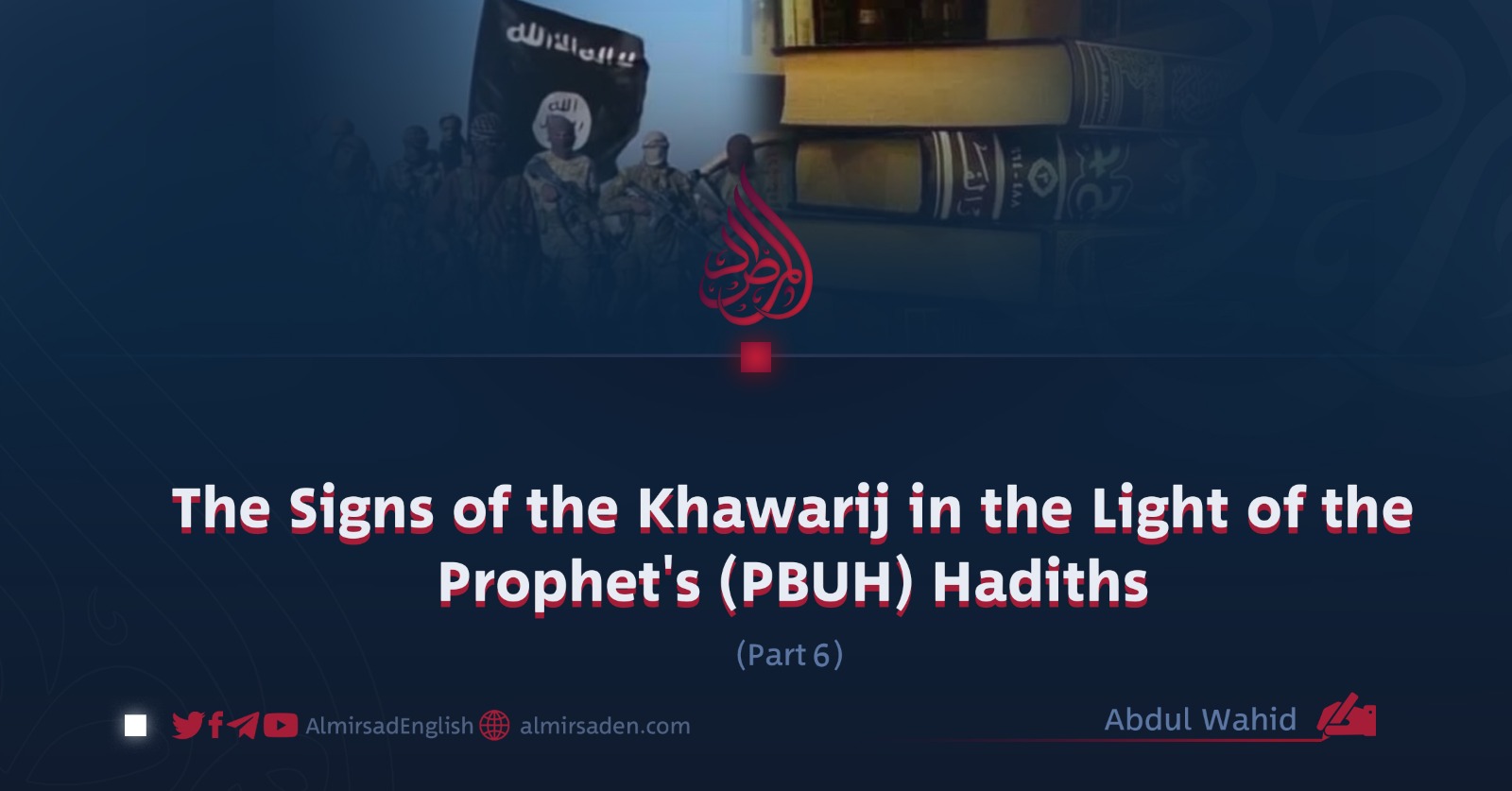
In our own time too, the group that has emerged under the name of Daesh has repeated the exact practices of the early Khawarij. Soon after announcing its false caliphate, it declared all mujahideen and Muslims outside its ranks to be disbelievers, placing them outside the fold of Islam. In all its speeches, it cited verses from the Holy Quran and recited them extensively. Yet, based on clear evidence in its conduct and actions, many scholars of the Islamic world and true mujahideen considered it among the Khawarij, forbade other Muslims from associating with it and warned against it.
The Messenger of Allah (PBUH) said about them:
“يَقْرَؤُونَ الْقُرْآنَ لَا يُجَاوِزُ حَنَاجِرَهُمْ” (Sahih al-Bukhari, Hadith 7432)
“They recite the Quran, but it does not go beyond their throats.”
This hadith does not mean they failed to understand the Holy Quran at all or paid no attention to the meanings of its verses. It points to the gap between reciting the Holy Quran and understanding it correctly, and between knowledge and practice. The guidance of the Holy Quran should affect a person’s heart, character and conduct, leading them toward piety, justice and mercy.
The Holy Quran itself calls people to reflect deeply on its verses:
﴿أَفَلَا يَتَدَبَّرُونَ الْقُرْآنَ﴾ (An-Nisa 82)
“Then do they not reflect upon the Quran?”
For this reason, although reciting the Holy Quran is highly valuable, it is also necessary to reflect on its verses, understand them correctly, act upon their guidance and observe the sound principles of Tafsir. Anyone who relies on one verse or one hadith alone and ignores other Sharia texts and principles may reach wrong conclusions.
One danger of superficial understanding is that a person considers his own interpretation the only interpretation that is both possible and correct, and calls anyone who opposes it an opponent of the Holy Quran and the religion. This is the path that can turn a scholarly disagreement into enmity and extremism. So recognizing these signs of the Khawarij in the hadiths also shows the value of knowledge and the importance of turning to the views of qualified Islamic scholars on religious matters. To understand the Holy Quran correctly, it’s necessary to know the Arabic language, the Sunnah of the Messenger of Allah (PBUH), the reasons for the revelation of the verses and the principles of Tafsir, and also to grasp how the verses and hadiths relate to and fit with one another.
The main lesson of this part, then, is that the Holy Quran was not sent down for recitation on the tongue alone. It must be understood correctly, its verses must be reflected upon and its guidance must be put into practice in daily life. Recitation accompanied by knowledge, piety and good character brings a person closer to the purpose of the Quran, while recitation accompanied by misunderstanding and extremist conduct cannot serve as a criterion of truth for any path or group.