




















Part 1
Salman
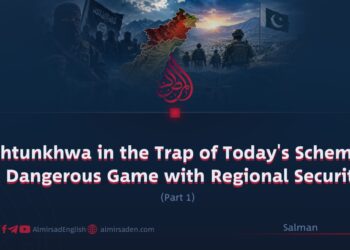
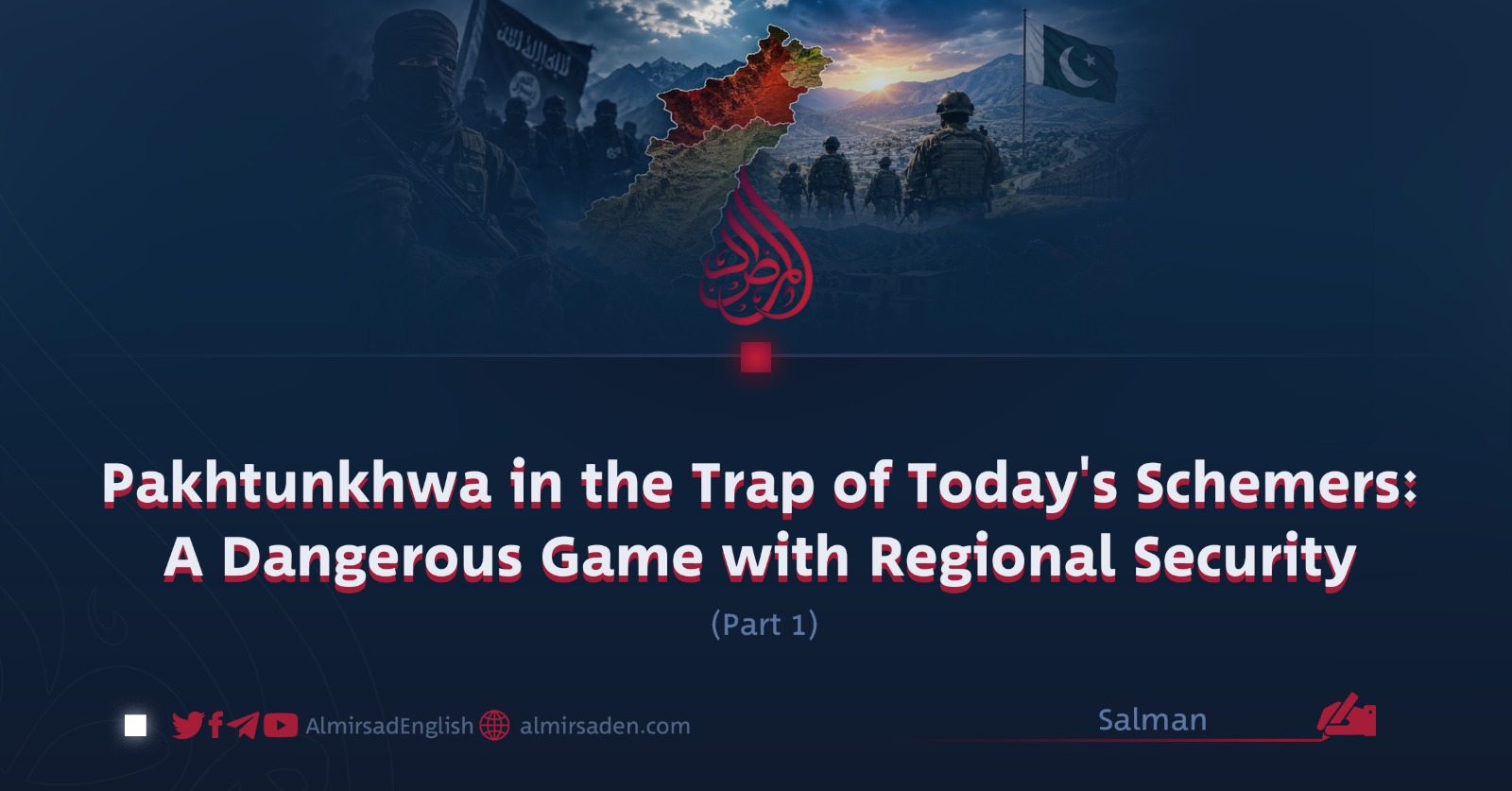
Military and security developments in Pakhtunkhwa can’t be treated as Pakistan’s internal affair alone. Any shift in the security situation of this region, because of its proximity to Afghanistan and its links to regional routes, can have far-reaching effects on Afghanistan, Central Asia and the whole region.
People across this region are also worried that a worsening military situation in Pakhtunkhwa, under the banner of eliminating terrorism and establishing security, might prepare the ground for even more dangerous changes, such as safe havens, recruitment centers and training networks being set up for the ISIS takfiri group and other groups like it.
These worries raise serious questions about Pakistan’s security agencies: do the current military policies really weaken all terrorist groups? Have transparent and independent investigations been conducted into the possible activities of ISIS networks in the relevant areas? And most importantly, what guarantee is there that this sinister plan won’t threaten the security of Afghanistan and other countries in the region?
That’s why Pakistan’s puppet government wants to use this pretext to set up ISIS training centers, so it can destabilize Afghanistan and Central Asia. Pakhtunkhwa and Pakistan’s tribal areas, because of their geographical location, social structure and closeness to Afghanistan, have undergone complex security changes over the past few decades.
The region’s location means that any movement of fighters, transfer of weapons or creation of support networks can affect security on both sides of the Durand Line and throughout the region. In such conditions, declaring a state of emergency and carrying out large-scale operations must come with transparency, accountability and measurable results. Just announcing operations against terrorism isn’t enough to hide their sinister aims.
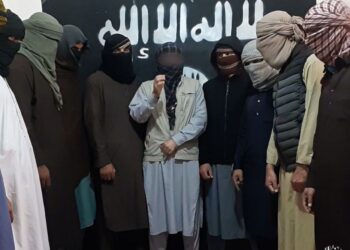
On the other hand, the ISIS terrorist group is one of the groups that Pakistan’s military regime has supported and trained for several years. This government wants to use this group to carry out its various plans and objectives. For years, this group has been trying to eliminate prominent Islamic scholars in Afghanistan and destabilize the country. UN reports have also warned about the group’s ability to recruit people, spread extremist propaganda and plan attacks.
All countries in the region recognize the danger ISIS poses. But now Pakistan’s corrupt government wants to use this opportunity to move the group’s bases and training centers to Khyber Pakhtunkhwa. So if recruitment or training centers for ISIS are active anywhere in Pakhtunkhwa, this can’t be treated as Pakistan’s internal affair alone. Such a situation can seriously threaten the security of Afghanistan and other countries.
Another key point is that one of the main criteria for evaluating security policies is their practical results. If the aim of the state of emergency is to eliminate terrorist groups, then clear evidence must be presented that proves the groups’ capabilities have shrunk, their support networks have been destroyed and people’s security has improved.
In short, Pakhtunkhwa’s security situation, because of its direct connection to Afghanistan and the whole region, needs close monitoring and independent evaluation. The warnings about the possible activities of ISIS networks in this area must be taken seriously. In particular, the people of this land must stay alert, avoid falling into this regime’s trap again and refuse to become victims of its plans. We can’t close our eyes to the truth that any safe haven or training center for ISIS, wherever it may be and whoever stands behind it, threatens the security of the region’s people.