


















Jamal
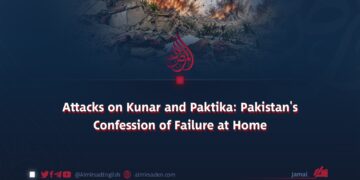
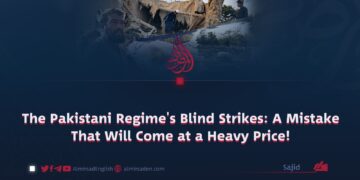
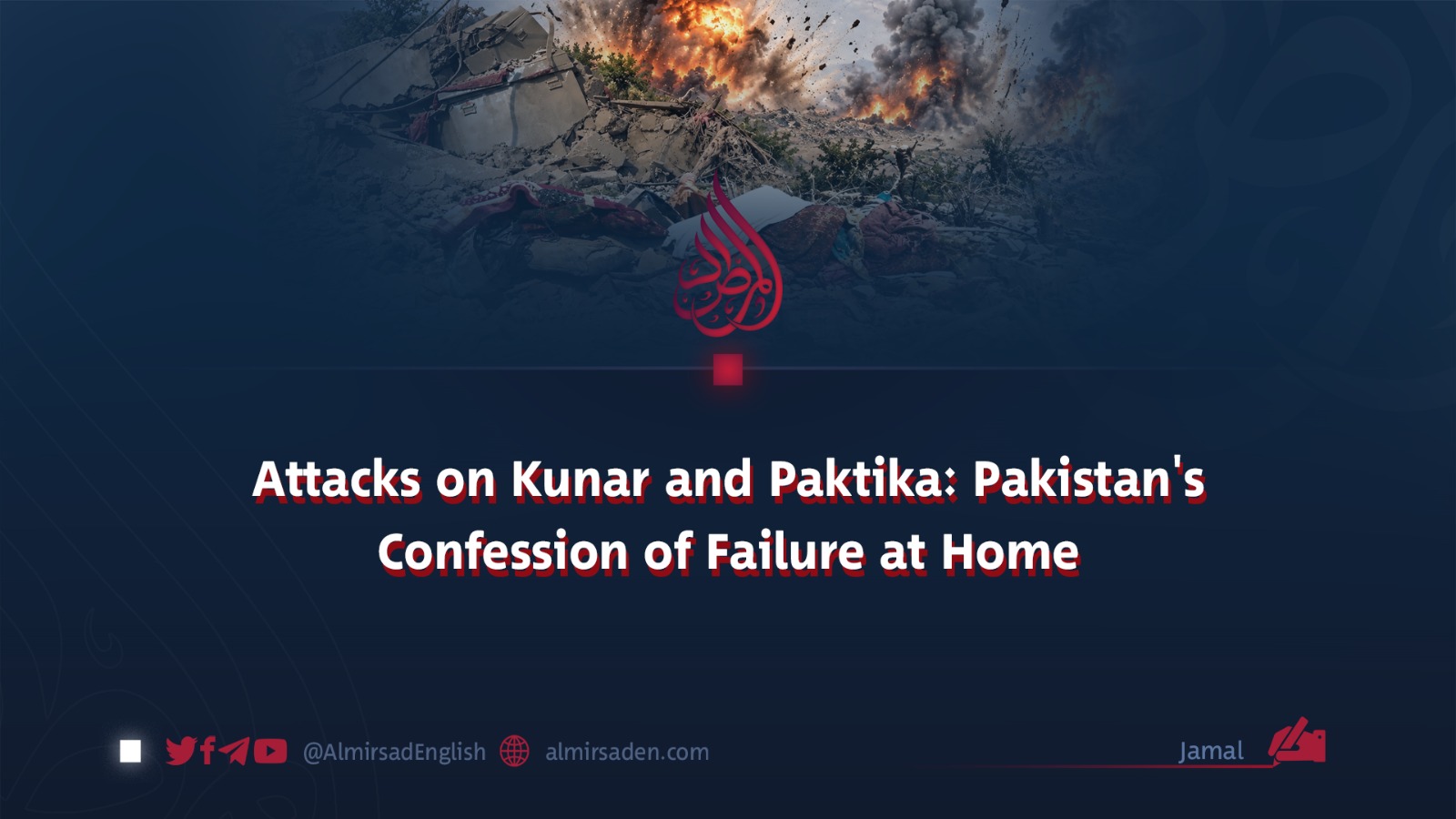
On Monday morning, the 30th of Sunbula, jets from Pakistan’s military regime once again violated Afghanistan’s airspace and struck civilian areas in Nurgal district, Kunar province, and Barmal district, Paktika province. In the strike on a residential house in Nurgal, three members of one family were martyred and four others wounded, women and children among them. In Barmal, Paktika, two more strikes hit, one an empty house, the other a local shop. These attacks are just one more link in a long chain of Pakistani military violations of Afghan soil, a chain that has taken on an unprecedented intensity in recent months.
What sets these attacks apart from ordinary military action isn’t their precision, it’s their brutality and aimlessness. Pakistan’s military regime claims its targets are “terrorist centers” and “militant hideouts,” but the reality on the ground says something else. The United Nations has repeatedly confirmed that these strikes have hit civilians and residential homes. In one of the bloodiest examples, the strike on a drug rehabilitation hospital in Kabul killed more than four hundred civilians, a crime the UN described as the “complete destruction” of a medical center. Now, in the recent strikes on Kunar and Paktika, the same familiar pattern has repeated itself: bombing homes, killing civilians, then silence or denial.
But these attacks can’t be understood only within the frame of violating Afghanistan’s sovereignty. Behind these blind bombardments lies a bitterer truth: Pakistan’s military regime has hit a dead end in securing its own internal security.
Figures show that in July of this year, at least 112 members of Pakistan’s security forces were killed in militant attacks, the highest monthly figure since January 2023 and the second-highest in over a decade. This data paints a picture of a helpless state that has lost control over its own tribal and border regions and is now grappling with a sweeping security crisis.
In a situation like this, attacking Afghan civilians isn’t a sign of strength, it’s a confession of weakness. Pakistan’s military regime, unable to rein in militants on its own soil, is trying, by bombing the homes of innocent people in Kunar and Paktika, to divert its own domestic public opinion away from its failures. Zabihullah Mujahid, the IEA’s spokesman, has put his finger on exactly this point, calling these attacks an attempt to “divert public opinion from security failures inside Pakistan.” This isn’t a piece of propaganda, it’s a realistic reading of how a regime in crisis behaves.
Another thing worth pausing on is the nature of the targeting itself. In the strike on Nurgal, Kunar, a residential house was completely destroyed, and every victim was a local resident and a civilian. In Barmal, Paktika, the targets included an empty house and an old shop. If the real target really was “terrorist centers,” why bomb a local shop or an empty house? This contradiction pulls back the curtain on Pakistan’s claim of “precision” in these strikes, and shows that these actions are, more than anything, a show meant to make up for failures at home.
Worst of all, these attacks are happening amid the relative silence or indifference of the international community. While the United Nations and human rights bodies have repeatedly warned about Pakistan’s violations of international law, there’s no real pressure to stop these acts of aggression. This inaction has emboldened Pakistan’s military regime and encouraged it to keep up its contradictory, two-faced policy.
Monday morning’s attack on Kunar and Paktika wasn’t a counterterrorism operation, it was a military regime’s open confession of failure at securing its own internal security. Pakistan, unable to control militants in its own cities, isn’t securing itself or recovering its lost dignity by bombing people’s homes in Afghanistan. These attacks prove only one thing: weakness, when paired with a weapon, turns into a crime. It should also be said that the IEA’s spokesman called this attack “aggression and injustice” and condemned it. He stated firmly that Afghans will give these attacks a fitting response.