






By Khalil
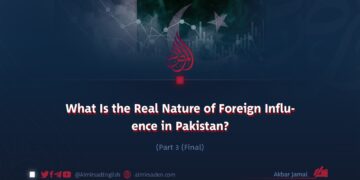
Since its creation, the Pakistani regime has consistently tried, both directly and indirectly, to make itself the driving force behind rivalry and unrest in the region under one pretext or another. Under deceptive slogans such as promoting security, stability, or fighting terrorism, it has pursued its own illegitimate interests by relying on proxy groups and discredited figures, supporting circles of fitna and corruption to harm neighboring countries and the region as a whole.
In its latest move, the military regime has sought to exploit refugees, bandits, hardened criminals, and local minorities in different provinces.
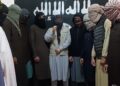
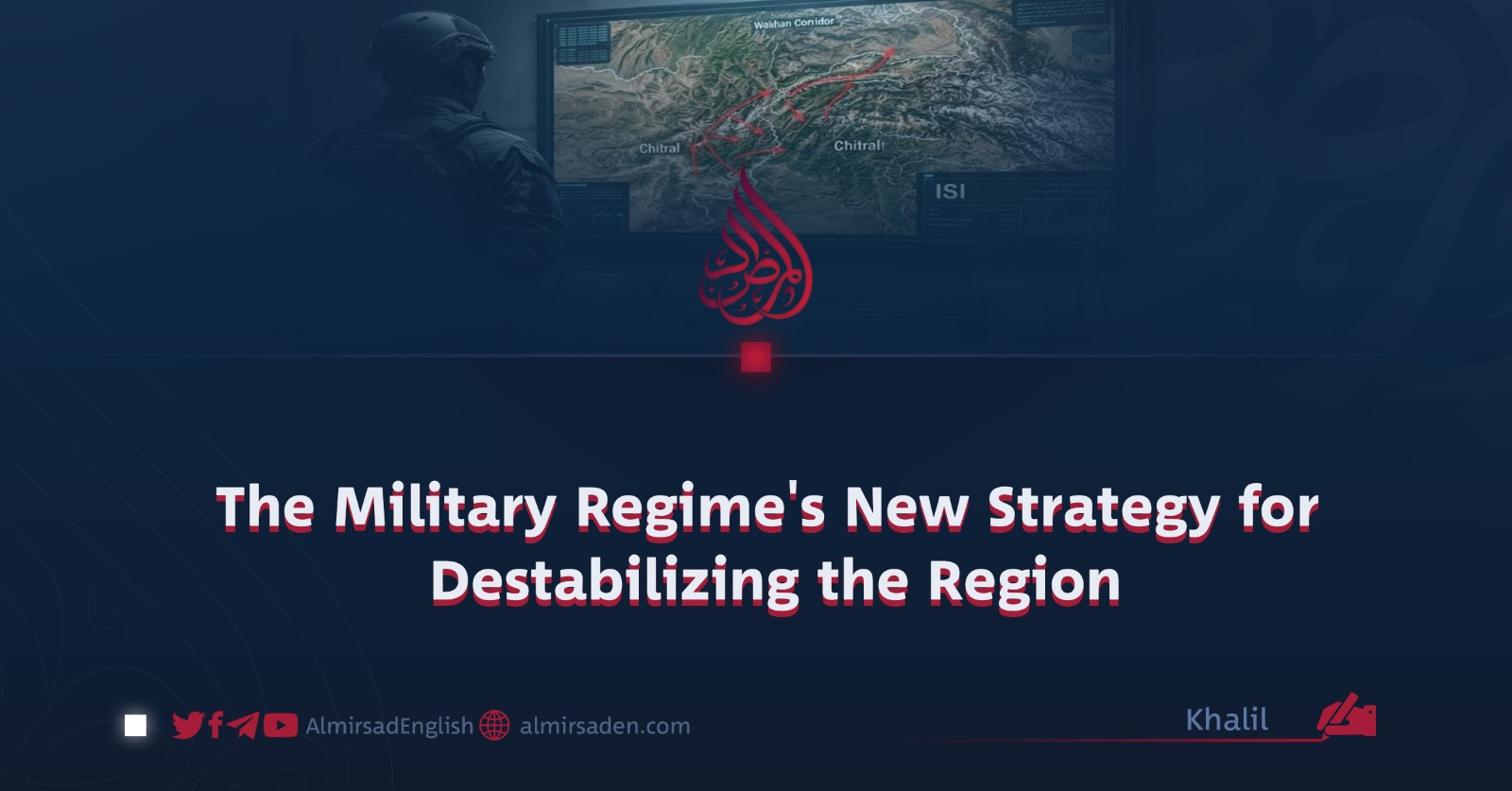
As part of that effort, it has gathered a number of former Afghan Arbakai militiamen and other figures linked to past unrest, lured them with promises and incentives, moved them into the Chitral area, and begun organizing them under the umbrella of terrorist groups to be used against both Afghanistan and the region. Recent reports in local and international media show that the military regime has moved quickly to put this new project into action. Its aim is to exaggerate the strength of the terrorists and Khawarij based in the region in order to win financial and political backing from America and European countries, allowing it to continue the same destructive policies.
This week, an Indian official remarked that India is now recognized for its achievements in information technology, whereas Pakistan is viewed as a center of international terrorism due to its continued support for such activities. He had a point. Today, Daeshi Khawarij, along with the centers where they are trained and financed, are all inside Pakistan. That hardly needs proving. The IEA’s airstrikes have exposed this reality more than once by destroying their hideouts and key facilities.
The question now is this: by settling and arming terrorists, criminals, and former Afghan Arbakai militiamen in Chitral and other tribal or remote areas, whom is Pakistan really harming?
Since these areas lie closest to Afghanistan, the first assumption is that the Pakistani regime wants to challenge the security and stability that now exist across Afghanistan and pressure the IEA into accepting its demands. That will not happen. The IEA’s forces are fully capable of defending their land and people, and they have already struck numerous terrorist and Khawarij bases and targets in and around Chitral. In other words, these latest schemes are unlikely to inflict any meaningful harm on Afghanistan.
Pakistan itself is the first victim of these policies. They are deepening the country’s internal instability, a crisis that is the direct result of the military regime’s own actions.
As mentioned earlier, the next major victim is the stability of the region and the world. Daeshi Khawarij and other terrorist groups have been trained, supported, and familiarized with the region for precisely this purpose. China, Russia, and Afghanistan’s northern neighbors are fully aware of both this reality and the Pakistani regime’s long record of supporting terrorism. Yet they remain silent, while continuing to place greater value on maintaining good relations with Pakistan. Meanwhile, Pakistan keeps inflating the Daesh threat, presenting it as a global danger while securing political and financial concessions from the international community in return for promises to contain it.
The greatest cost, however, falls on the Pakistani people themselves. Time and again they have paid the price for the Pakistani military’s policies under one name or another. Now the same military is nurturing the Daeshi Khawarij like a snake in its sleeve. It will use them against its own people while at the same time presenting them to the world as a dangerous threat.
The IEA has already fulfilled its strategic responsibility in this regard. It has condemned the Pakistani regime’s efforts to spread instability and has backed its words with action. The powerful countries and regional organizations should not remain silent either. They must act now to stop these policies before it is too late. Otherwise, Allah forbid, the region will have already been pushed toward another crisis and turned into a new breeding ground for terrorism.