
























Abdullah Atif
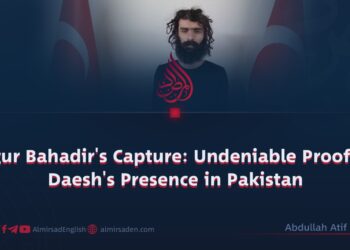
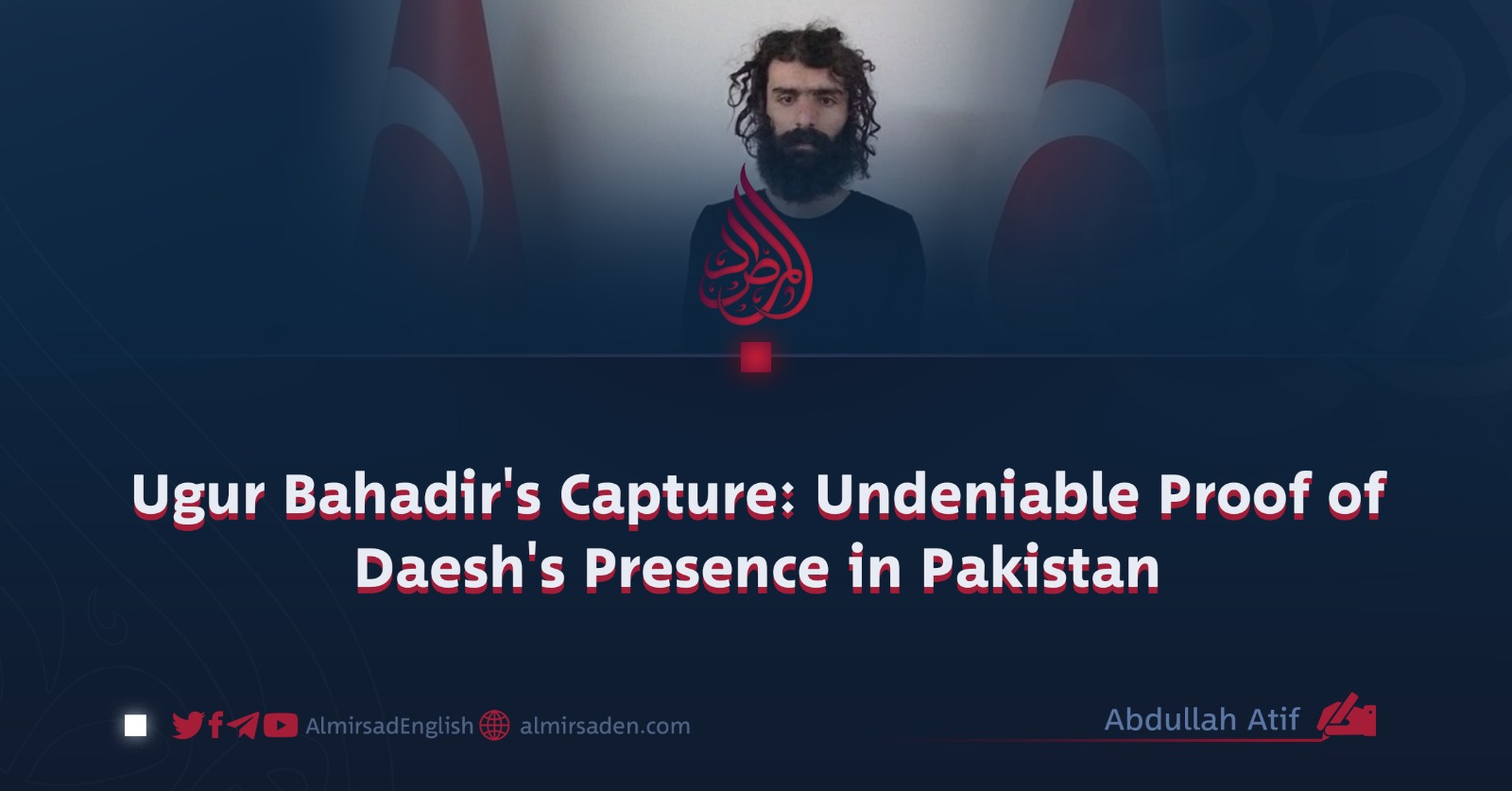
Recently, Turkish media reported that Turkey’s National Intelligence Organization (MIT), in a successful intelligence operation on Pakistani soil, captured Ugur Bahadir, one of Turkey’s most-wanted Daesh commanders, and transferred him to Turkey. This isn’t just the arrest of an ordinary individual; it rings alarm bells about a major threat to the entire region. There should now be no excuse for denying that Daesh’s safe hideouts, training centers and support networks exist on Pakistani soil.
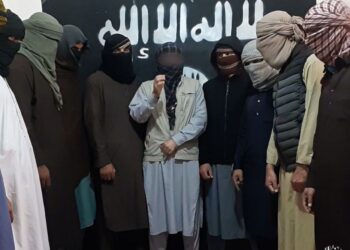
The Ugur Bahadir case is a clear example. In 2024, he arrives directly from Turkey at Islamabad Airport. From there he goes without any hindrance to Mastung district in Balochistan, joins the sixth training course at an organized Daesh training center, and begins operating under the alias Abdul Rehman. Later he is moved to Orakzai district in Khyber Pakhtunkhwa. The question is: how can an international terrorist move so easily from one end of a country to the other, receive military training and join armed groups? Without state backing, such activity is impossible.
The astonishing contradiction is this: on one hand, Pakistan signs major defense agreements with Turkey: the Joint Defense Agreement in Mecca on August 7, 2026, and the Badr Agreement in Doha on October 21 of the same year. Both agreements speak of joint counterterrorism operations and the exchange of intelligence. On the other hand, Daesh elements who threaten the security of Turkey and the whole world are being trained on Pakistani soil. If these elements weren’t in Pakistan, why would Turkey’s intelligence agency need to carry out operations on Pakistani soil? Governments around the world should examine this incident very seriously.
The Islamic Emirate of Afghanistan (IEA) has warned Pakistan several times and, presenting evidence, told it that Daesh centers are on Pakistani soil and must be eliminated. Pakistan hasn’t taken any steps to eliminate these centers. On the contrary, there are reports that these elements are being trained at training centers connected to Pakistan.
Pakistan’s aim is clear to everyone: it wants to organize Daesh elements and use them as a tool in its proxy war against Afghanistan, so that it can destabilize the only Islamic system established there. But Pakistan should also consider this: the snake it nurtures in its own lap today for Afghanistan will tomorrow become a major headache for itself and for its ally Turkey too.
Remember! The whole history of Daesh bears witness that this group has never been loyal to anyone; it has always bitten its own supporters and trainers first. When Daesh first came to Afghanistan, the IEA showed it a degree of leniency, because at that time the IEA was busy fighting America and its allies and wanted to reduce the number of its enemies. But when it became clear that these people, in the guise of mujahideen, were also enemies of Islam, the IEA began acting against them.
After that, Daesh carried out most of its attacks on ordinary Afghan Muslims. By attacking mosques, madrasas, hospitals and public places, it proved that its real aim isn’t to establish an Islamic system but to shed Muslim blood.
Daesh had betrayed Turkey earlier too. In the early days of the Syrian war, Turkey took a lenient approach toward some jihadi groups so that Bashar al-Assad’s regime would be weakened. But what was the result? Daesh carried out bloody attacks on Turkey’s own soil, in Ankara, Istanbul and Suruc, killing hundreds of Turkish citizens. After this, Turkey was forced to launch tough operations against Daesh through its intelligence agency (MIT).
Today, the arrest of Turkish nationals like Ugur Bahadir in Pakistan is another link in the same chain. The underlying reason for all of this is that, by Daesh’s creed, all of today’s Islamic states, including Pakistan, Turkey, Saudi Arabia and Afghanistan, are taghut states, and Daesh considers eliminating them obligatory. Daesh recognizes no defense agreements, no borders and no constitution. In this group’s view, both the Mecca and Badr agreements are void.
If a Daesh member is stationed today at a training center in Pakistan to be sent to Afghanistan, tomorrow he’ll come out of that same center and carry out attacks in Islamabad, Lahore and Ankara too, because in Daesh’s view, all these countries are equally its enemies. For this reason, Pakistan should understand that the policy of using Daesh as hired assassins amounts to political and security suicide. This is the fire being lit today to burn Afghanistan, but tomorrow its flames will engulf Pakistan and its new allies too.