














By Saif al-Din
Yesterday’s cold-blooded assassination of the renowned religious scholar Sheikh al-Hadith Maulana Muhammad Idrees in the Utmanzai area of Charsadda, Peshawar, tore open wounds that never really healed, wounds soaked in the blood of this ummah’s finest minds and most sincere religious voices. This wasn’t just a crime. It was the latest chapter in a project whose roots are fed from Rawalpindi and whose fruits keep falling across the region as fresh graves.
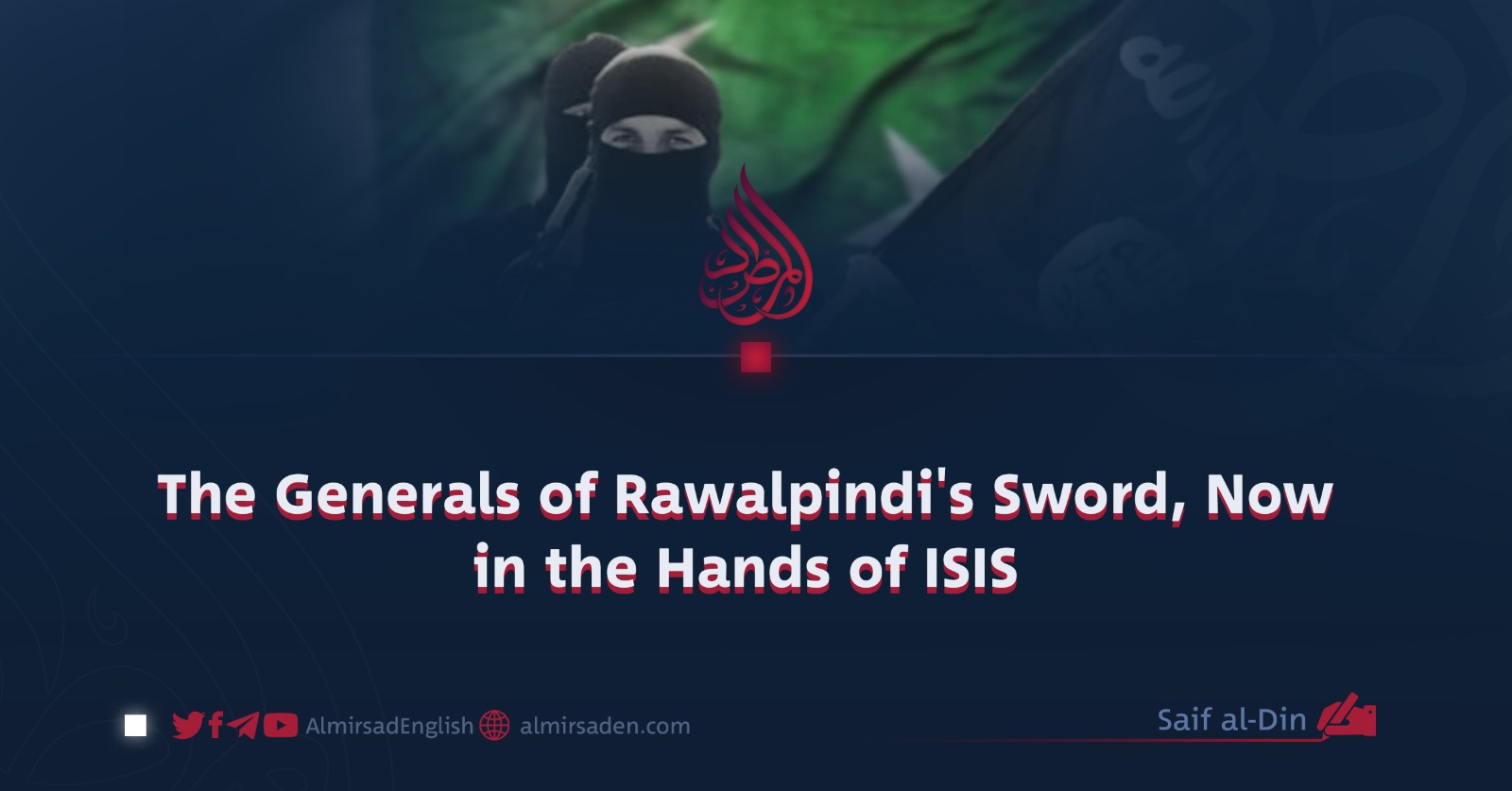
The connection between ISIS and Pakistan’s military regime isn’t some fringe conspiracy theory. It’s daylight obvious. ISIS is the ISI with a different name. A proxy militia, activated on demand, deployed for the jobs the military can’t afford to be caught doing itself. The generals of Rawalpindi want their blade held in someone else’s hand. They want scholars with real popular influence, men bold enough to speak truth openly, erased. And ISIS is the instrument they fund and unleash to make that happen.
These attacks don’t happen in a vacuum. They happen in areas blanketed with security checkpoints and surveillance. So how exactly does an armed ISIS cell move in, target a senior religious scholar, and simply vanish without a trace? That question answers itself.
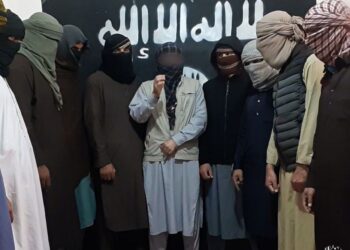
Look at ISIS’s track record, and one pattern stands out above everything else: no other khariji group has been so relentlessly, systematically focused on killing scholars. That’s not accidental, it’s doctrine. They understand that a single learned man can pull thousands of young people back from the edge of radicalization. So they eliminate him before he can. They call it their “dark methodology.” The rest of us call it what it is: a calculated extermination of religious leadership.
Even the Mongols. Even the Crusaders. In all of Islamic history, no era produced this kind of systematic, targeted campaign against scholars, not like this. Which tells you everything about where ISIS actually gets its orders. This isn’t theology driving these killings. It’s an intelligence agenda. Anyone who doesn’t serve the program gets a death sentence.
Maulana Muhammad Idrees’s murder only hardens what was already obvious: ISIS in Pakistan and the Pakistani military regime are two sides of the same coin. The military wants religious figures and influential voices cleared from the stage, so that no one remains with either the standing or the courage to name their crimes out loud. They just prefer the trigger pulled by someone else, keeps their hands looking clean.
What’s happening to scholars across this region is not random violence. It is a coordinated intelligence operation. And it will keep claiming scholars, thinkers, and community leaders for as long as this unholy alliance between ISIS and the military regime is allowed to survive. The murder of Sheikh al-Hadith Maulana Muhammad Idris has made one thing clear: someone handed the extremists that sword. The only way this ends is if people recognize who that someone is, and stand together against it.