















Ahmad
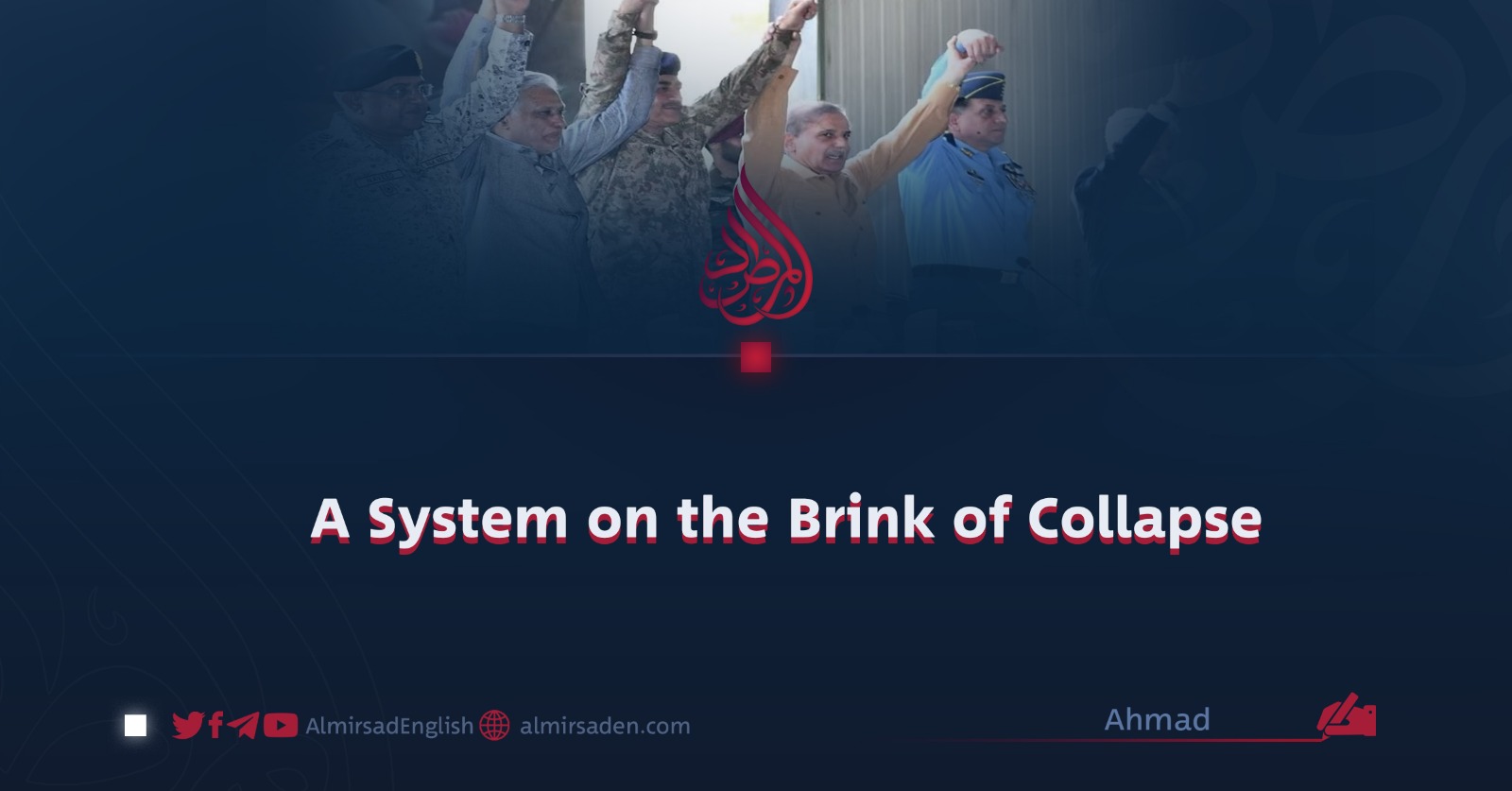
It’s said that when a regime’s days of collapse draw near, it starts behaving like a rabid dog. It no longer worries about how to save itself; it’s consumed only by the madness of how many people it can bite on its way down. Today, looking at Pakistan’s situation, this comparison feels less like a philosophical turn of phrase and more like a living, visible fact.
A healthy, strong system listens to criticism, tolerates questions, and treats disagreement as a tool for its own reform and correction. But when a regime loses its moral credibility, its economic standing and its political trust, it abandons logic and reasoning and turns instead to force, coercion and tyranny. For a regime like this, there’s no longer any difference between well-meaning advice and baseless criticism. It blames everyone, accuses everyone, and dumps the weight of its own failures onto others. If you look closely, this is exactly what’s happening in Pakistan today.
Just look at the economy! The poor are being ground down under the millstone of their hardships. Instead of salaries going up, they keep shrinking, and even then, they don’t get paid on time. Meanwhile, the price of electricity, gas, flour and other basic necessities of life has shot through the roof. Young people stand in long lines to leave the country, their educational certificates in hand.
In a crisis this severe and unsettling, a government’s basic responsibility is to search for reasonable, effective ways to solve these problems. But instead of finding solutions, the ruling regime tells the people, with arrogance and contempt: “Everything’s fine! If it doesn’t look fine to you, the problem is you. You’re enemies of the country, you can’t stand to see the country progress, you’re agents of India’s intelligence agency (RAW), you’re Afghans!” And on and on, with all sorts of other accusations and insults.
Politics faces this same disaster. Disagreement has turned into enmity. If a journalist asks a question, they get shut down. If someone raises their voice for the truth on social media, their account gets shut down too. If a lawyer brings up the constitution, they end up wandering the corridors of the courts. Worse still, even those very courts are completely under the influence and control of the ruling circles.
Keep this in mind: this isn’t a sign of strength; it’s clear proof of fear and weakness. A truly strong state doesn’t shut off someone’s microphone to silence their voice; it’s a weak one that trembles with fear at the sound of every independent voice and every critical word.
It’s exactly the mental state of a rabid dog: jaws bared, ready to bite everyone, even though biting has never once solved a problem. Once reason and judgment run out, teeth become the only weapon left for fighting and confrontation.
A regime like this tries to bite everyone, teacher or student, laborer or journalist, even reaching its teeth toward the very people who, until yesterday, were working hard to defend it. The situation in Khyber Pakhtunkhwa (KPK) and Balochistan isn’t hidden from anyone; what’s happening there right now is a clear example of exactly this pattern.
Be warned!
History bears witness that no government has ever extended its own life by biting and crushing its own people. States stay alive not through oppression, force and fear, but through justice, tolerance, public trust, and the moral courage to admit their own mistakes and have the nerve to reform. Until this ruling order finds the courage to admit its mistakes and reform, the cycle of crushing and biting the people will keep going on just the same.
But one truth shouldn’t be forgotten: every new wound, every silenced cry and every act of injustice brings this same regime’s day of decline and collapse that much closer.