








Khalid Abid
Every new step the military regime takes ends up undermining its own hopes of progress. This time, continuing its past failed policies, it has received another new policy from its masters, and both the hidden and the visible sides of this policy work against Pakistan’s own ethnic groups as well as against the region and the neighboring countries.
What clearly harms Pakistan’s own ethnic groups is the closure of trade routes, food shortages and the difficulty of obtaining basic necessities. These are things people depend on in their daily lives. And what can hurt the countries of the region, the neighbors especially, is that same closure of trade routes, which causes severe economic disorder and pressure.
Beyond this, if the situation in Khyber Pakhtunkhwa goes on like this, it isn’t far-fetched that waves of migrants will soon begin moving toward neighboring countries and other parts of the region. If migrants leave Pakhtunkhwa for the neighboring and other regional countries, then on the one hand these migrants face countless hardships, and on the other the host countries are forced to step in to handle and contain the situation, which is a heavy burden for any country in the present difficult conditions.
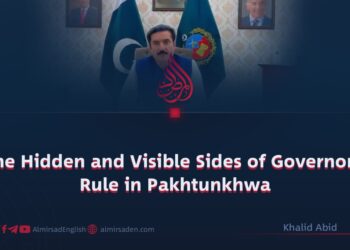
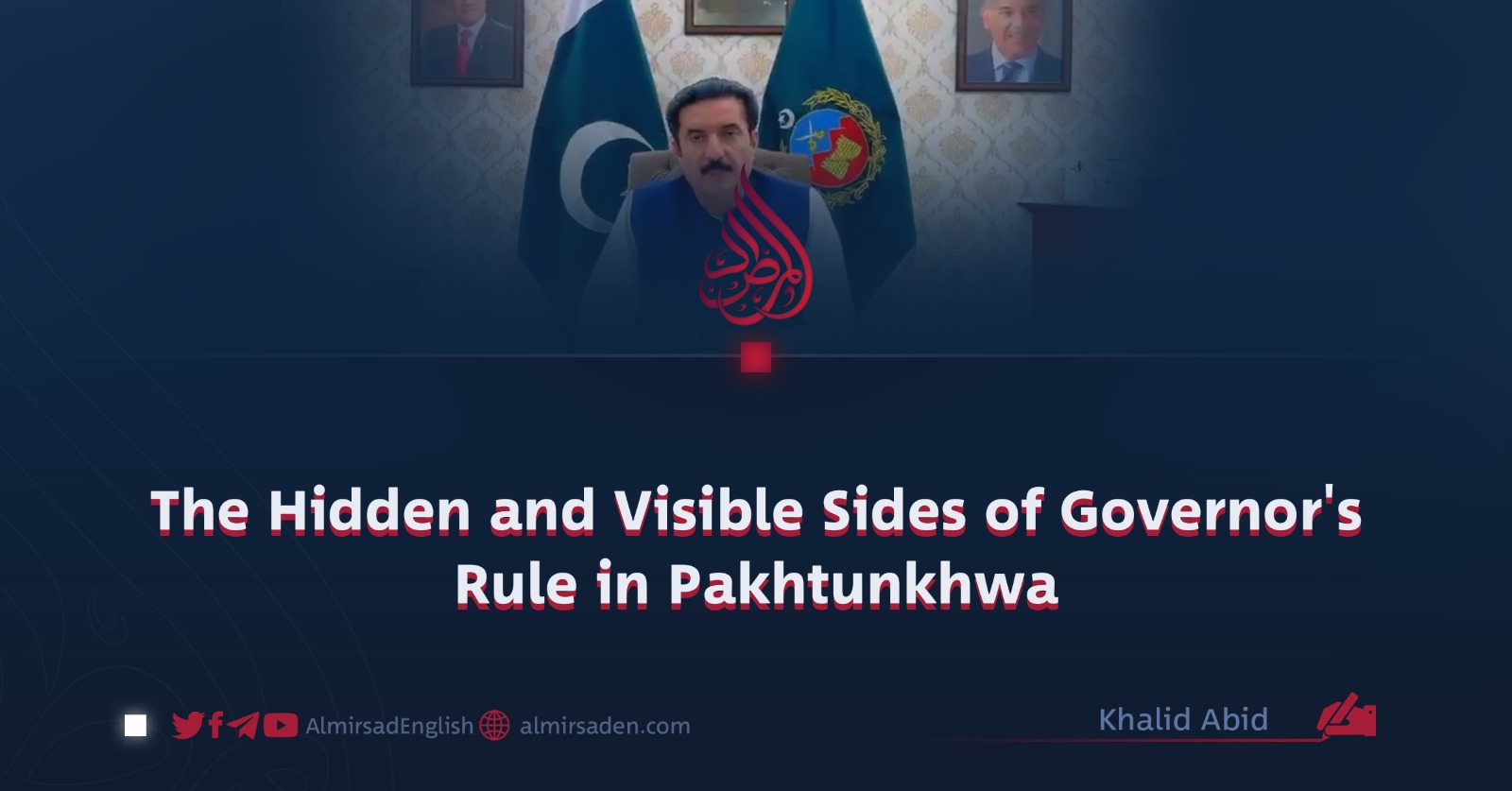
Then there is the hidden side of the governor’s rule that Pakistan’s military regime has imposed in Khyber Pakhtunkhwa. On the surface, the military administration wants to throw dust in the eyes of its own people, the neighbors, the regional countries and the world, and to use this act as a pretext for claiming to fight terrorism and for hiding the insecurity within its own borders. In truth, though, it wants to keep this large territory and its peoples stuck even deeper in the mire of insecurity and need, to safely achieve its major aim of training, sheltering and supplying ISIS members, and to make the projects it has taken on a success.
The province of Pakhtunkhwa shares a long border with Afghanistan, and its people have never, throughout history, gotten along with the structure of Pakistan’s mercenary administration. That administration has trampled their rights underfoot from time to time, and today all their Islamic and human rights are openly being trampled. Yet in this same country’s Sindh, Karachi and Punjab, the situation is completely different from Pakhtunkhwa’s in terms of peace, the economy, education, reconstruction and other respects.
Since the neighboring countries have long faced challenges from Pakistan’s terrorist military administration, and this still goes on, the hidden aims behind the plans and policies that the mischief-making masters have handed to that administration are to put governor’s rule in place in Pakhtunkhwa and use it to train, shelter and supply ISIS members and then send them to the neighboring and regional countries for terrorist purposes.
Above all, it’s the responsibility of Pakistan’s own ethnic groups to rise against the military regime to protect themselves. With the help of their scholars and sharia authorities, they should free themselves from the mercenary military regime and its circles. Likewise, it’s the responsibility of the neighboring and regional countries of Pakhtunistan to take action against such terrorist conditions, and not to let Pakistan’s terrorist administration, acting on the signals, policies and plans of the mischief-making superpowers, become an obstacle to the region’s peace and progress.