






Ehsan
Afghanistan, this ancient and historic land, has for decades been the victim of political games and the ambitions of a neighbor that calls itself a brother but has, in practice, stabbed it in the back.
Pakistan’s military regime, with a black record of intervention, pressure, and crime, has always tried to turn Afghanistan into its own backyard and impose its sinister policies on this country. Since its founding, Pakistan has seen Afghanistan not as an independent country and a brother, but as its own strategic depth. This sick thinking has its roots in border disputes and false claims that Islamabad has never let go of.
Over the past two decades, the former republic government, under relentless pressure from Pakistan, accepted many of this regime’s sinister goals and had, in a way, become a hostage of Islamabad’s political games. But with the Islamic Emirate of Afghanistan (IEA) coming to power and the great victory of the Afghan nation, these plots were foiled one after another, and the dirty hand of the military regime was kept out of political dealings on Afghan soil.
With the rule of the IEA, Afghanistan was no longer that weak and pressured country where any foreigner could interfere. This government, relying on public support and independence of opinion and judgment, was able to cut off all outside conspiracies from the country’s skirt and not allow any country to carry out its policies on this soil. Pakistan, which for years had advanced its goals through pressure on the Afghan government and people, suddenly found itself powerless.
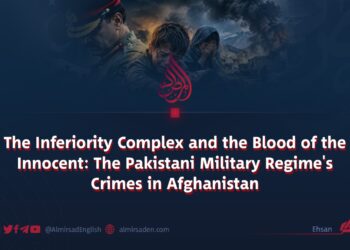
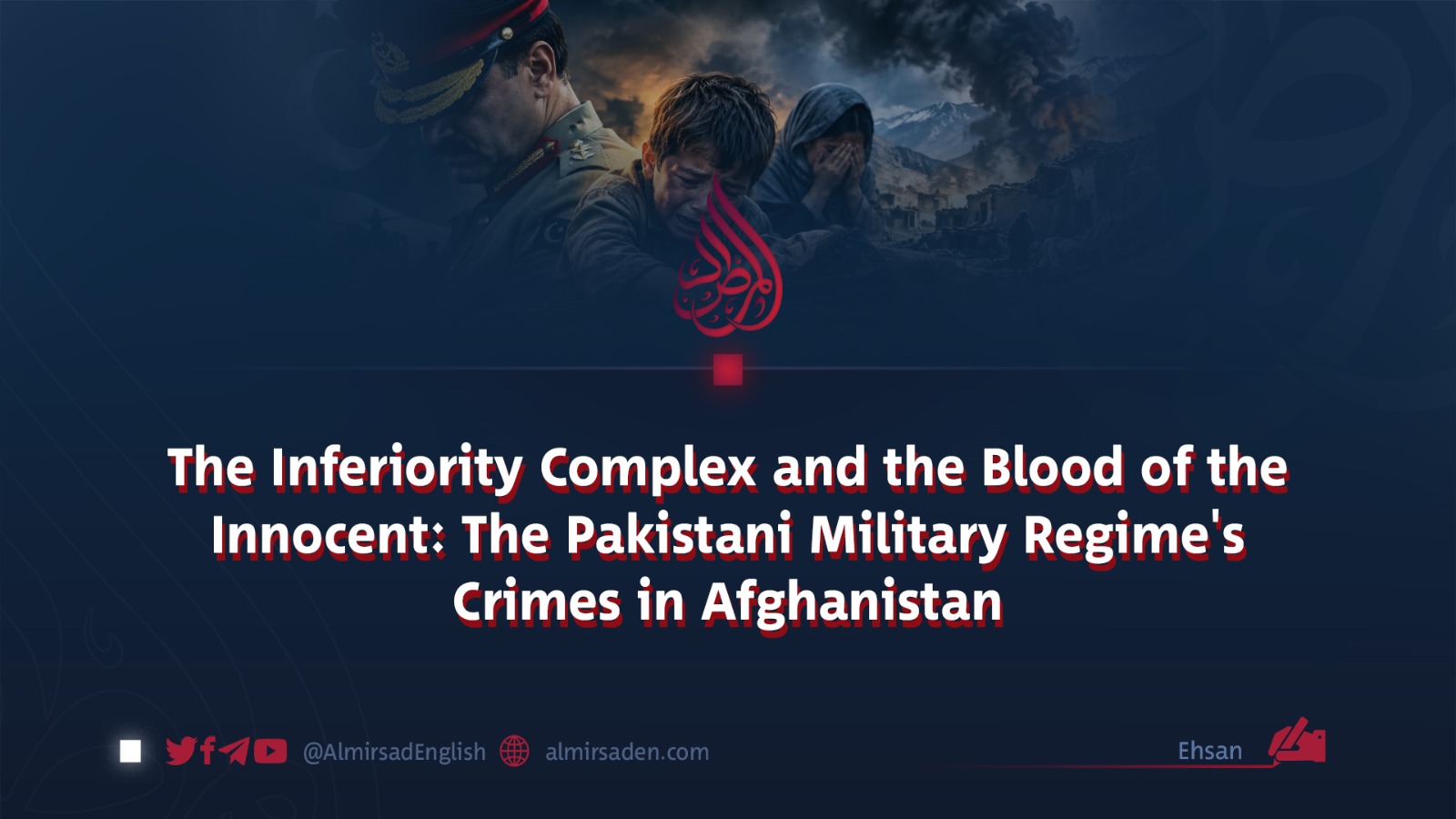
This great defeat was not acceptable to Pakistan’s military leaders, who had grown accustomed to interfering in Afghanistan’s affairs. For this reason, with an inferiority complex and rage at having their dirty hand kept out of political dealings on this soil, they turned to criminal attacks against the defenseless people. Pakistan’s artillery and air attacks on several areas of Afghanistan, which have repeatedly led to the death of innocent women and children, are a clear example of war crimes. These attacks are not only a violation of Afghanistan’s national sovereignty, but are considered a crime against humanity.
Pakistan’s military regime, by supporting Daesh terrorist groups and forces of evil and corruption and creating insecurity in Afghanistan, has tried to target this country’s stability and leave its people drenched in blood. Pakistan’s policy is tied to the interests of countries like America and Israel. Islamabad, as the region’s “gendarme,” has the duty to advance the goals of these powers in Asia and in a way serve its own masters.
But with the IEA coming to power, it could no longer advance its adventurous and criminal policies in Afghanistan. This failure has stirred the rage of Pakistan’s leaders and driven them to cowardly attacks. Pakistan, which sees itself as the executing arm of US and Israeli policy in the region, cannot accept defeat before the IEA, and for this reason, it commits savage crimes against the Afghan people.
But oppression and crime, sooner or later, catch up with the oppressor. Today the effects of this oppression are easy to see inside Pakistan. From economic crisis and insecurity to public protests, all are signs of the sinister effects of this regime’s criminal policies. The people of Pakistan too have become victims of their own military’s policies, and this oppression has ignited the fire of rage in their hearts.
Pakistan’s military regime must know that oppression and crime are not lasting. The Afghan nation, relying on its faith and independence, has stood against these pressures, and no foreign power can break their will.
Islamabad must give up its hostile policies and, instead of enmity, think of peaceful neighborliness. Otherwise, the fire of oppression it has itself lit will also catch their hem.
Today Afghanistan, under the leadership of the IEA, has managed to cut off every foreign plot and has let no country run its policies on this soil. This great victory has been a heavy defeat for Pakistan’s leaders, and they, with an inferiority complex, continue their crimes. Let them know these crimes will not last, and soon they will catch their own hem. History is witness that no empire has endured through oppression, and Pakistan is no exception to this rule.