





















By Jamil
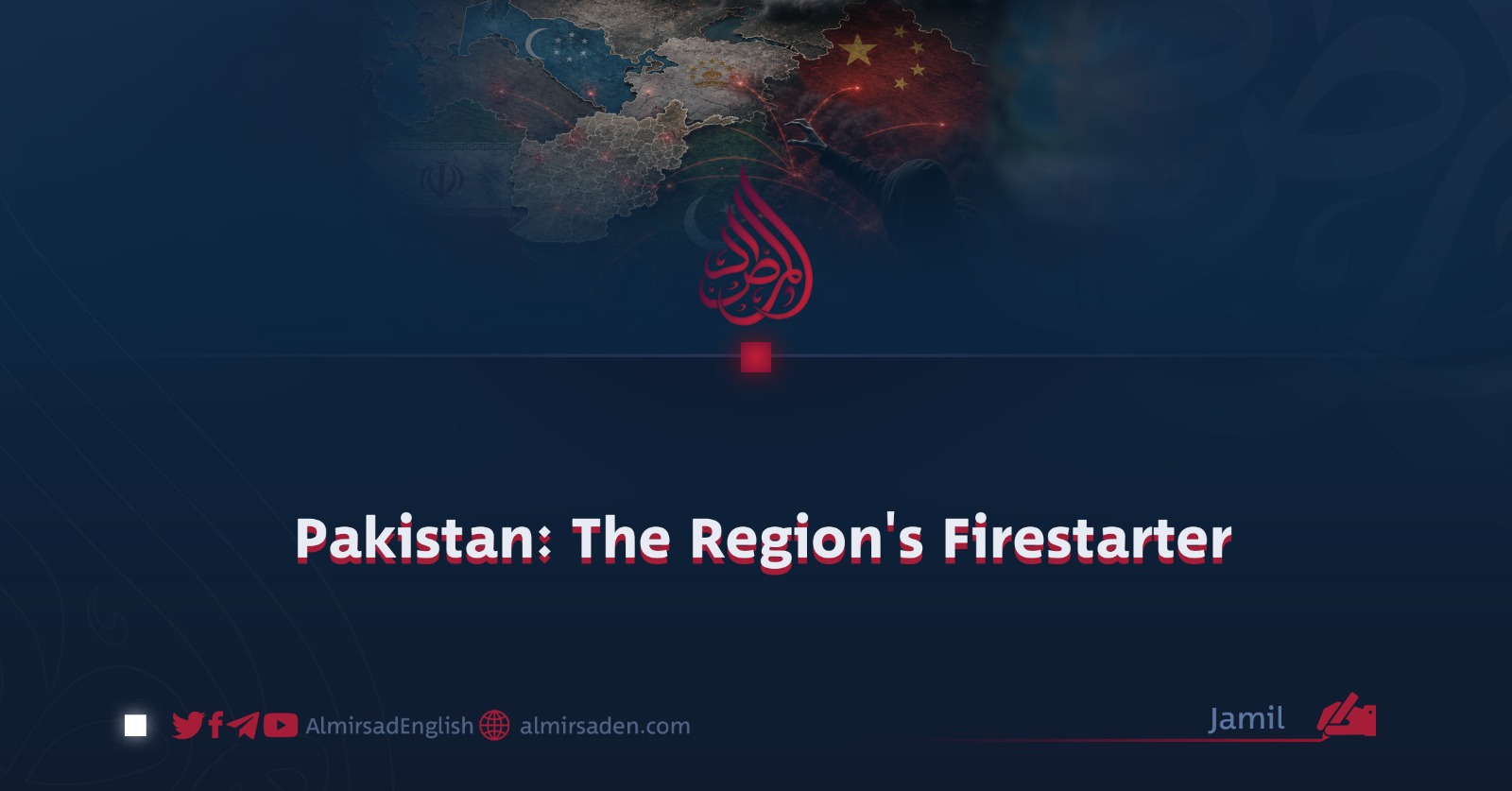
For decades, Pakistan has followed a two-faced policy in the region. On one side, it presents itself as a supporter of peace and stability. But on the other, by supporting extremist groups and creating insecurity in neighboring countries, it has in practice become a firestarter in the region. This hostile policy is rooted in Pakistan’s geopolitical concerns and its old rivalries with India and Afghanistan, and it has kept the region caught in instability for years.
Pakistan has long sought strategic depth in Afghanistan as a way of protecting its own borders. This approach goes back to the Cold War and continued through its support for armed groups. The circumstances have changed over the years, but the main policy has remained. What has turned this policy into firestarting is Pakistan’s support for forces that threaten the stability of Afghanistan and the region.
As a senior Pakistani official openly admitted, Pakistan spent three decades doing the “dirty work” for the West and paid a heavy price for it. Using armed groups as a tool of foreign policy is a legacy that continues to drag the region into conflict.
Regional insecurity is also deeply connected to imposed borders and Pakistan’s arming of particular groups. The Durand Line, imposed on the Pashtun people by British colonialism in the nineteenth century, remains a security blind spot and an excuse for Pakistan to interfere in Afghanistan’s affairs. Taking advantage of this difficult and rugged border, Pakistan has supported groups such as the Arbakis and ISIS-K and used them as a pressure tool against Afghanistan. But this same contradictory policy has now created serious problems for Pakistan itself. Recent data shows that terrorist attacks in Pakistan have risen sharply, making the country itself one of the biggest victims of terrorism.
Pakistan’s approach toward Afghanistan has taken on new forms in recent years. A country that once played an important role in Afghanistan’s internal politics has now become frustrated with the changes in the IEA’s policies and has turned to measures such as closing routes, deporting migrants and even carrying out airstrikes on Afghan territory. This direct confrontation shows the dead end Pakistan’s policies have reached.
Afghanistan, for its part, has responded with a crushing response, changing the regional geopolitical balance and increasing Islamabad’s concerns. The announcement of cooperation between Afghanistan and countries in the region, particularly India, has pushed Pakistan toward even harsher reactions.
The main problem with Pakistan’s approach is the way it looks at its neighbors as tools for its own interests. It seeks its own security by weakening others and remains afraid of almost every development in Afghanistan, even when that development is in Afghanistan’s own national interest. This outlook is rooted in a chronic problem within Pakistan’s security decision-making, where the region is seen as a field of competition rather than a place for cooperation.
Despite paying a heavy price for supporting extremist groups and following policies that create tension, Pakistan continues on the same path. But the reality is that the fire started in the neighborhood will sooner or later reach the one who started it. No one can remain safe from this whirlpool of instability.