












By Rafiq
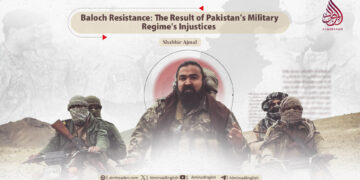
Time and again, Pakistan’s military regime has violated Afghan airspace and bombed civilian homes. Children, women, and ordinary Muslims are always the ones who pay the price. Many countries face internal political and security problems because of the way they are governed and the policies they follow. Sometimes those problems lead to rebellion. Sometimes they are the result of people rising against oppression and tyranny. Pakistan’s military regime is no different. The insecurity and armed opposition it faces come from its own people. The conflict exists within Pakistan itself. The regime knows perfectly well that those fighting against it are inside Pakistan and that they carry out attacks against the state from among the Pakistani people themselves. If the conflict and the armed groups are on its own soil, why does it continue accusing Afghanistan of sheltering them?
Pakistan’s military regime has brought widespread public anger upon itself through its oppressive, authoritarian, and foreign-dependent policies. Today that public anger has taken the form of armed resistance. Everyone knows that the groups fighting the regime emerged from among Pakistan’s own Muslim population and are waging their struggle from within the country. Pakistan makes these claims for one reason. It wants to present its own internal insecurity as Afghanistan’s doing instead of admitting its own failures. That way, the Afghan people end up paying the price for the military’s own mistakes. Since the IEA came to power, Afghanistan has been under a fully independent Islamic system. Today, by the grace of Allah Almighty, the authority of a single Amir extends across the entire country.
There was a time, during the American occupation and even before that, when Afghan soil was used by powerful states and intelligence agencies to pursue their own agendas. That period has ended. Today, Afghanistan is free from foreign interference. No one has the authority to misuse Afghan territory, and over the past five years it has not been used by any foreign group against any neighboring or regional country.
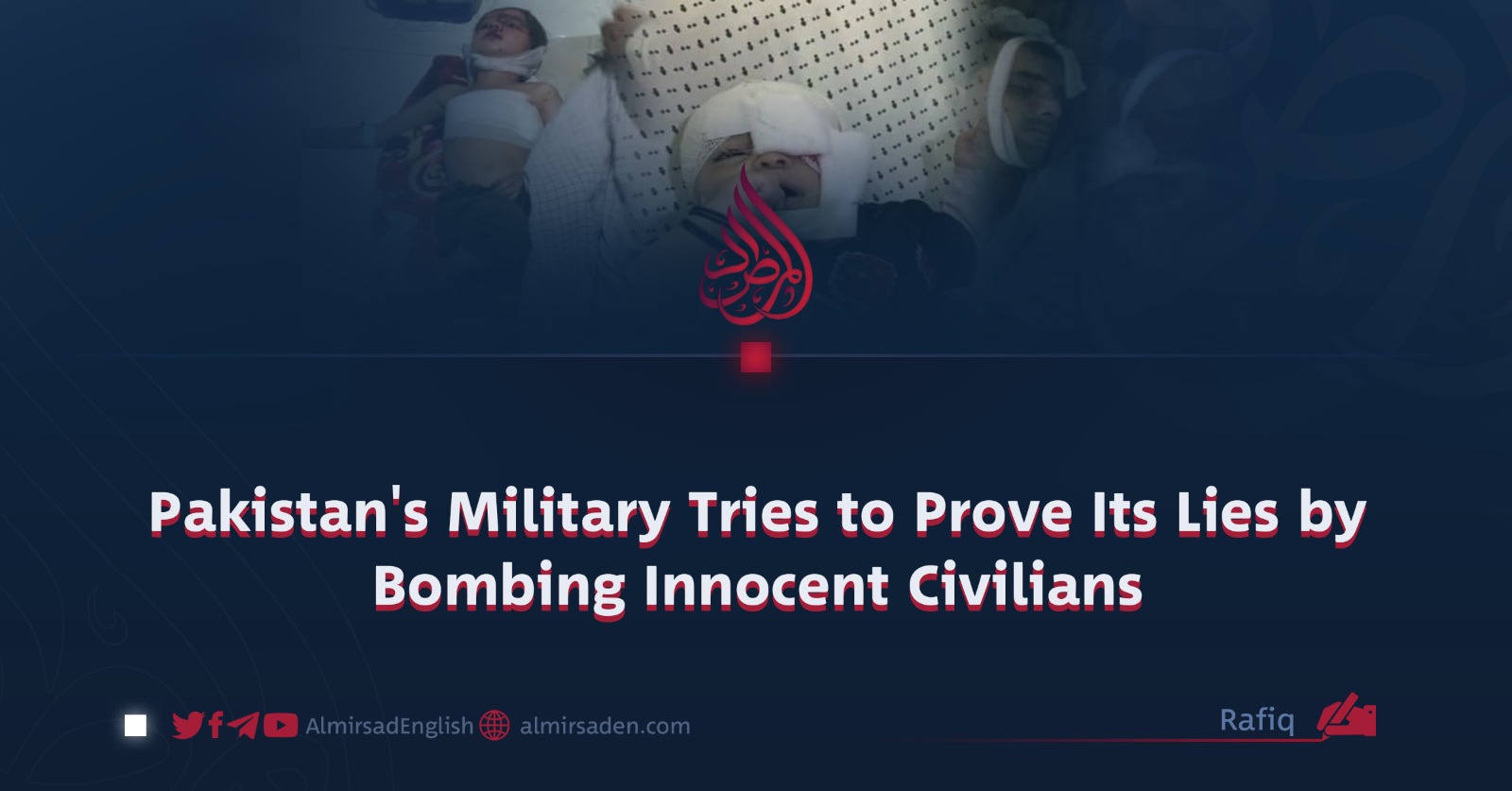
The Pakistani regime’s claims are meant only to hide its own failures and to avoid answering difficult questions from its own people. Its repeated accusations that anti-Pakistan groups are operating from Afghanistan have no basis in reason or reality. We have seen the outcome of these baseless accusations every time: brutal attacks on innocent Afghan civilians. Yet after every bombing, the regime repeats the same false accusations and declares its operations a success.
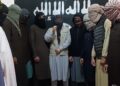
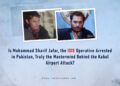
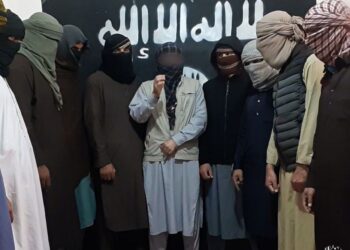
What makes this even more striking is Pakistan’s position on ISIS. We have published documented evidence showing the presence of ISIS inside Pakistan and have exposed its links to Pakistani military facilities. Instead of responding to that evidence, the regime changes its narrative in an effort to conceal its hypocrisy and its crimes, while once again drawing international attention toward its campaign of violence.
The so-called international organizations appear to care more about the name of ISIS than about the mass killing of innocent Muslim civilians. Pakistan knows this well. It is prepared to accept being known for violence and brutality, but it refuses under any circumstances to admit the presence of ISIS or any other internationally recognized militant group on its own soil. Pakistan’s military establishment is at the root of all this. It avoids confronting many of the groups operating inside its own territory because it fears provoking wider public opposition and driving more of its own people into resistance. It knows the problem is its own, and it knows its opponents are on Pakistani soil. Even so, it keeps repeating the same actions just to keep its regime alive.