


















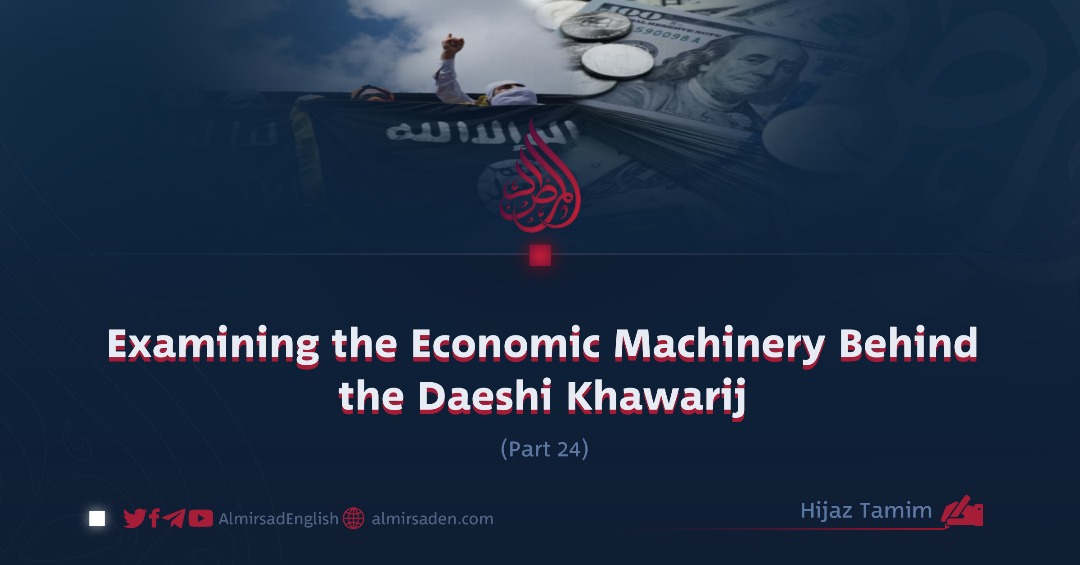
Part 24
By Hijaz Tamim
Case Studies of ISIS Kidnapping European Citizens and Demanding Ransom
This section reviews a series of documented incidents in which ISIS targeted European nationals for abduction and ransom.
Seventh Case: Kidnapping of a French Diplomat (2018)
Incident: A French diplomat was abducted by ISIS.
Ransom: A demand of USD 3.2 million was issued for his release.
Diplomats are considered a high-value ransom source for ISIS, as their abduction not only generates financial resources but also attracts international pressure and media attention. This approach reflects the alignment of ISIS’s financial strategy with its global objectives.
Assessment of the Response: The French government worked closely with international partners to intensify pressure and improve the prospects of securing the diplomat’s release. The response illustrates the difficult balance governments attempt to maintain between stated policies of refusing ransom payments and the practical use of diplomatic and multilateral channels to protect their citizens.
Eighth Case: Kidnapping of a British Teacher (2019)
Incident: A British female teacher was seized by ISIS in northern Syria.
Ransom: Approximately USD 2 million was paid.
The targeting of educators reflects ISIS’s broader global strategy. Such cases serve fundraising purposes while also drawing international media attention and creating leverage against governments.
Assessment of the Response: The British government expanded cooperation with international forces to resolve the case safely and to disrupt ISIS’s financial channels.
Ninth Case: Kidnapping of an Italian Journalist (2019)
Incident: An Italian journalist was captured by ISIS during the conflict in Syria.
Ransom: USD 2.7 million was demanded for release.
Journalists occupy a central place in ISIS’s financial and propaganda strategy. Their kidnapping functions simultaneously as a means of extracting ransom and as a tool for attracting global attention.
Assessment of the Response: Italy worked to raise international pressure, viewing this approach as an effective means of protecting the journalist and limiting ISIS’s ability to profit from hostage taking.
Tenth Case: Kidnapping of a German Tourist (2020)
Incident: A German tourist was abducted by ISIS in a region of Iraq.
Ransom: USD 2 million was paid for release.
Tourism emerged during this period as a notable source of income for ISIS. Tourists were perceived as high value targets due to the size of potential ransom payments and the global attention such cases tend to attract.
Assessment of the Response: Germany introduced additional security measures aimed at protecting its citizens abroad. These steps formed part of broader initiatives to deter future kidnappings and restrict ISIS’s access to financial resources.
Eleventh Case: Kidnapping of a French Engineer (2020)
Incident: A French engineer was captured by ISIS amid the Syrian conflict.
Ransom: USD 3 million was paid for release.
Engineers and other skilled professionals have been viewed by ISIS as especially valuable. Beyond the immediate financial benefit of ransom payments, such individuals may also be targeted for their technical knowledge, increasing their strategic value.
Assessment of the Response: France undertook measures to address intelligence vulnerabilities and to curb ISIS’s operational reach, consistent with its stated opposition to ransom payments and its emphasis on dismantling militant networks.
Twelfth Case: Kidnapping of a British Medical Worker (2021)
Incident: A British nurse was abducted by ISIS.
Ransom: USD 2.5 million was paid for release.
Medical workers hold significant financial value for ISIS. Their kidnapping serves not only as a source of ransom income but also as a means of exerting pressure on international organizations and humanitarian institutions.
Assessment of the Response: International health organizations issued warnings about the growing risks faced by medical personnel and called for more effective rescue and protection mechanisms in conflict zones.
Thirteenth Case: Kidnapping of an Italian Tourist (2021)
Incident: An Italian tourist was seized by ISIS in southern Iraq.
Ransom: USD 2 million was paid for release.
In its efforts to expand financial resources, ISIS continued to focus on tourists as targets. Their abduction remained an effective method for securing ransom payments while drawing sustained international attention to the group’s activities.
Assessment of the Response: Italy called for enhanced security cooperation to protect its citizens abroad and increased preventive measures aimed at reducing the risk of future kidnappings.