




Rafiq
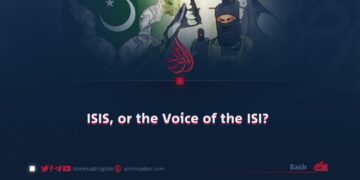
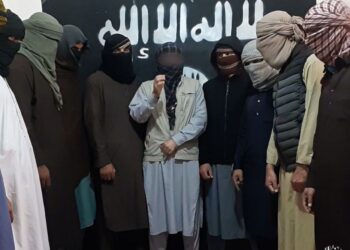
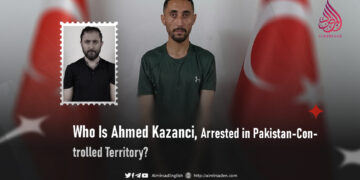
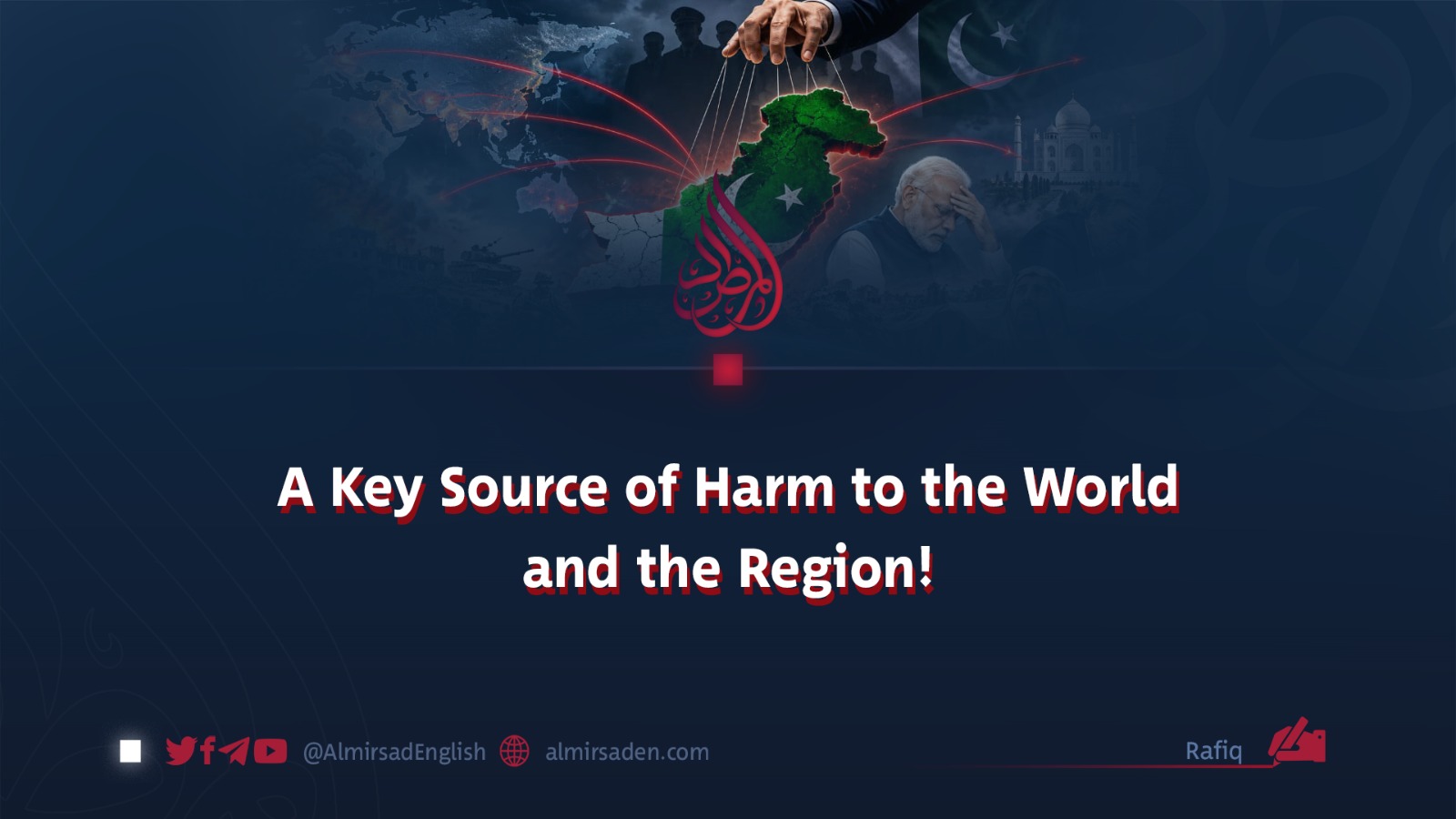
Yesterday, the Turkish Air Force again carried out aerial military operations in Balochistan, Pakistan, and captured a senior ISIS commander, Ugur Bahadir, alive. What objectives lie behind this major incident? Why is Pakistan’s soil being used to harm countries around the world and in the region? What position should regional countries take on this issue?
Over the past several years, the Islamic Emirate of Afghanistan (IEA) has shared the findings of its investigations and intelligence work with the people of Afghanistan and Pakistan, as well as with regional countries and the international community, both directly and indirectly. These reports claim that Pakistan’s soil is being used against Afghanistan and other countries in the region, and that the political and military regime ruling Pakistan is supporting and training ISIS, a major destructive group, and using it to achieve its own objectives.
The IEA has also shared clear, precise and important evidence with regional countries and with the mediators between Afghanistan and Pakistan. For a time, though, regional countries didn’t take the matter seriously. When the Pakistani military regime used the group it had trained and supported, ISIS, to attack countries in the region and carry out its plans for destruction and sabotage there, Turkish intelligence services exposed Pakistan’s sinister objectives.
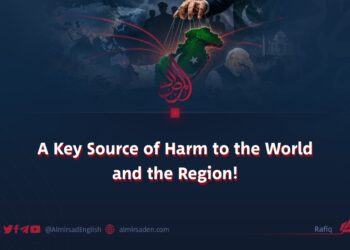
The hidden intentions and covert acts of sabotage were exposed as Pakistan, on the one hand, loudly proclaimed its commitment to fighting terrorism and subversion alongside countries around the world and in the region, while, on the other hand, backing subversion and sabotage against neighboring and other regional countries from its own soil and using these groups to achieve its objectives.
This is a very big issue. If regional countries remain silent in the face of the ill intentions and subversive activities of this regime and its networks, and fail to take the necessary and swift steps, the double-dealing and brazenness of Pakistan’s military regime will no longer remain hidden. Instead, they will become a visible source of insecurity and subversion for countries across the region.
What’s interesting is that ISIS is being funded, trained, protected and defended, and helped to achieve its objectives. Had ISIS entered this territory indirectly and secretly, we might at least have had less reason to point the finger of blame so firmly. But now, the confessions of ISIS members make it clear that senior Pakistani military leaders and relevant institutions are funding and training the group.
If we think about it, the Pakistani regime has also signed a defense agreement with Turkey, under which the two countries are to stand together against any threat or danger facing either of them and defend one another. Yet the Pakistani regime’s own actions have called this agreement into serious question and prompted some intriguing speculation about its purpose.
Did it sign the agreement to avoid being held responsible for supporting and training ISIS and for ISIS attacks in Turkey? Or was its aim to repeat the old game of concealing a snake in its sleeve under the guise of friendship?
This was precisely the thinking behind the scheme. The Pakistani military regime’s ISIS project was thwarted and exposed in Afghanistan and Tajikistan. Yet, as part of its schemes and ill intentions, it wanted to place the blame for all these destructive incidents on Afghanistan and Iran, creating distrust between Afghanistan, Iran and Turkey in order to serve US interests. But Allah (SWT) never allows falsehood and ill intentions to achieve their aims. Rather, He exposes them and brings disgrace upon those behind them at the very moment they seek to advance their plans.
Once again, we call on the world and international organizations to prevent the Pakistani military regime from acting on its ill intentions and carrying out its destructive actions. The Pakistani military regime must no longer be allowed to cause insecurity and destruction in the region and neighboring countries, and Pakistan’s soil must no longer be used to harm Afghanistan or other neighboring and regional countries. It has now become clear to everyone that Pakistan’s soil is being used against countries around the world and in the region. This is a matter of serious concern for the region and the wider world.
ISIS is a common threat to the world. The IEA’s reliable findings and documented reports on this shared threat should be acknowledged and appreciated. Its position should also be made clear so that the world and the region understand that Afghanistan has good intentions towards the countries of the region and the wider world, and regards a serious and swift fight against common threats as a shared responsibility.