






















By Nusratullah Muneeb
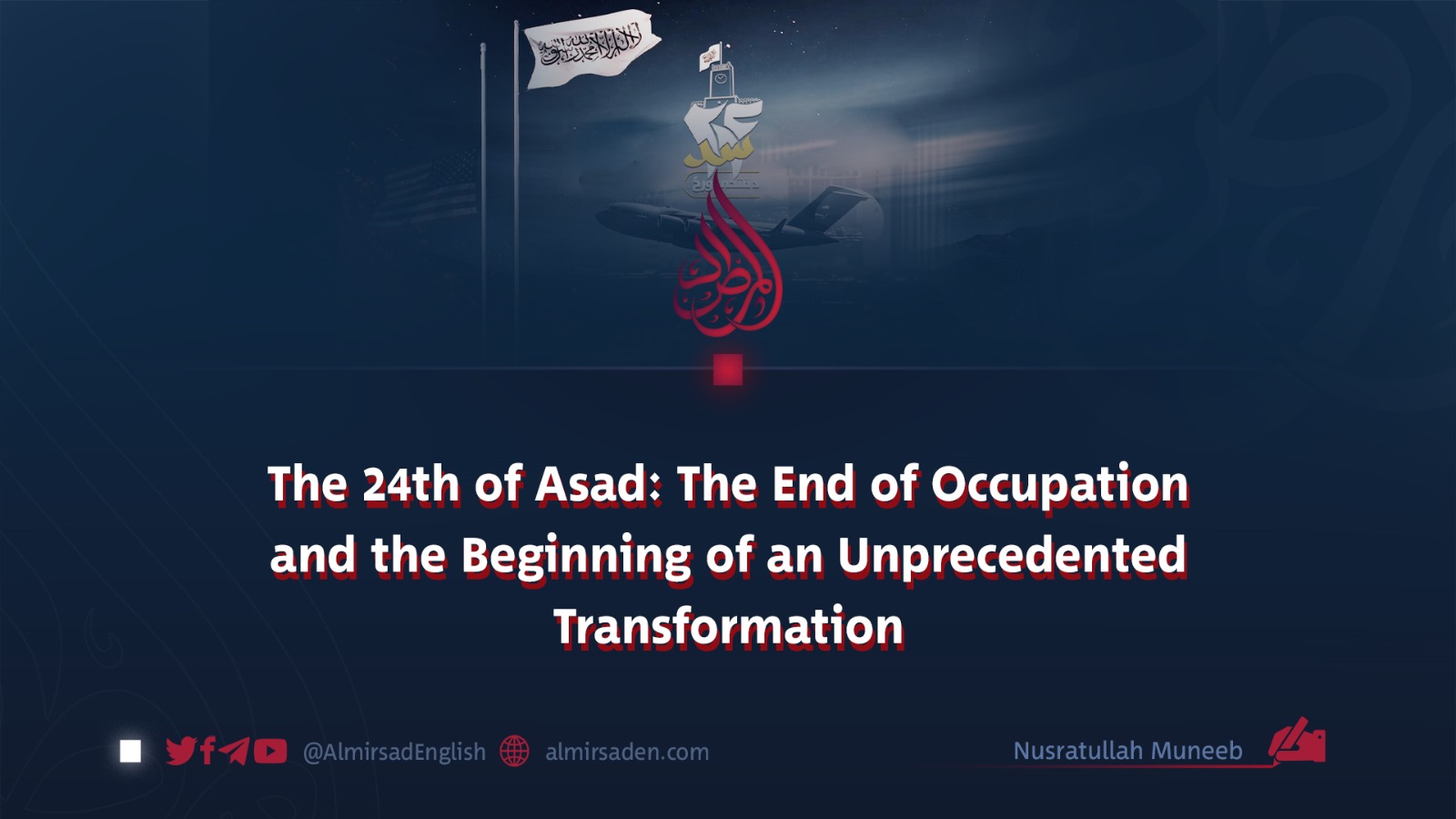
Asad 24 (August 15) is not merely a day marking a change of regime or the end of a political phase in Afghanistan’s contemporary history. It is the day the occupation came to an end and the fruits of the unprecedented sacrifices made by the mujahideen and the Afghan people finally became visible.
During the twenty years of occupation, under the shadow of the world’s largest military alliance, America and NATO, with their advanced weapons, indiscriminate bombing and powerful economies, they faced a resistance across the villages and streets of Afghanistan the likes of which had not been seen in contemporary history. The true heroes of this twenty-year struggle were the oppressed Afghan people and the mujahideen. The people gave the Mujahideen shelter in their homes, shared the costs of the war with them despite their own poverty and helplessness, and carried the heavy burden of raids, indiscriminate bombings and martyrdoms caused by this great military alliance on their own shoulders.
Under the most difficult conditions, through freezing winters, scorching summers, financial hardship and the most unequal military conditions, the mujahideen of this courageous nation defended their faith, land, people, Islamic sanctities and national will. The martyrdom and injuries of countless young men, and their willingness to give up every comfort of life, eventually brought down the most heavily equipped armies in history, armies armed with modern weapons and military equipment.
It is clear to everyone that when the United States and its 48 allies invaded Afghanistan in 2001 with great arrogance, they imagined that the Afghan resistance would be crushed within a few months, the country would be occupied and they would emerge victorious. But after two decades of hard resistance, the reality proved to be very different. Even after spending billions of dollars and losing thousands of soldiers, the United States and its 48 allies failed to break the Afghan people’s steel determination and strong will or divert them from their path.
After the successful signing of the Doha Agreement, the world understood that the United States and its allies were facing humiliation and great panic. Their shameful and forced departure from Kabul Airport, and the sight of their desperate collaborators clinging to aircraft, was a living picture of the defeat of that Pharaonic empire that had grown arrogant in its own power.
In short, the shameful defeat of the previous twenty-year administration was not sudden. Its own corruption, its distance from the people, its reliance on proxy forces and its implementation of foreign projects under false slogans were the natural causes of its downfall.
But what was even more shameful was that when the mujahideen reached the gates of Kabul on August 15, the senior officials of the republican administration chose personal escape instead of standing with their own people and army.
The disgraceful escape of senior officials from the presidential palace proved that their rule did not stand on the hearts of the Afghan people. It stood on foreign support and protection. Therefore, August 15 can be called not only a day to celebrate victory, but also the day when the forty-year-long disaster across the country came to an end, proxy groups disappeared, the civil war ended, nationwide security was established, and widows and grieving mothers were finally able to rejoice.
The commemoration of this blessed day reminds our courageous nation that placing our hopes in foreigners leads to destruction and means pushing ourselves into the pit of ruin with our own hands. The true rebuilding of our country is possible only through unity among Afghans, the establishment of justice, and preserving the value of these great sacrifices and the freedom won through them.