








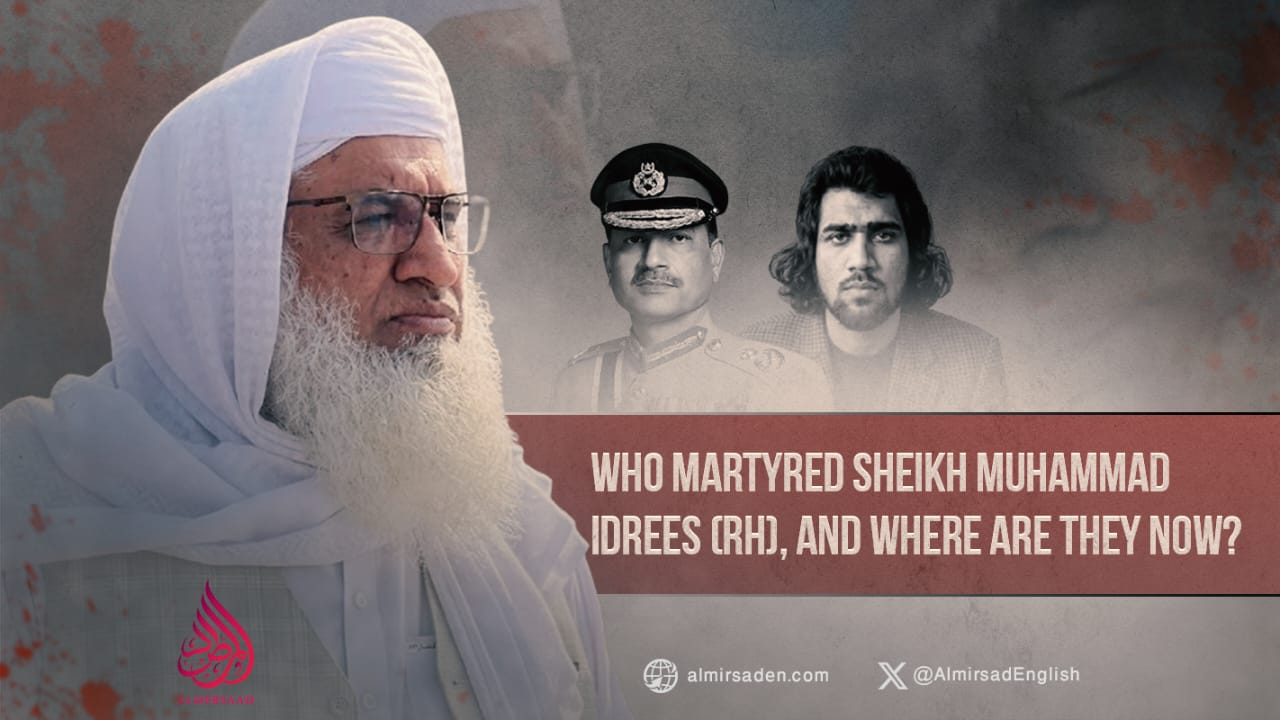
On Tuesday (the 18th of Dhul Qa’dah, 1447 AH), the prominent religious scholar Sheikh Muhammad Idrees was martyred in a cowardly attack by Daeshi Khawarij in the city of Charsadda, Khyber Pakhtunkhwa. Inna lillahi wa inna ilayhi raji’un.
Sheikh Muhammad Idrees was one of Pakistan’s most respected religious scholars, with thousands of students under his guidance. In martyring him, ISIS once again showed its true face to the Muslim world: a group that ignores the worshippers of idols and their backers, directing all its fury instead at the people of Islam.
In this piece, Al-Mirsaad draws on its previous reporting and fresh source intelligence to shed light on the killings of Sheikh Idrees Sahib and other scholars, and on the identities of those responsible.
The targeting of religious scholars in Pakistan is nothing new. Hundreds of clerics have been imprisoned or martyred by Pakistan’s military regime. Those who escaped its grip have been hunted down by ISIS in an ongoing campaign of assassination stretching back several years.
The pace of these killings accelerated in the early months of 2023, after ISIS cells in Afghanistan were dismantled and their leadership ordered a relocation across the Durand Line into Balochistan and Khyber Pakhtunkhwa. The campaign against religious scholars followed a systematic plan, one Al-Mirsaad reported on as far back as August 2023.
At the time, Al-Mirsaad’s sources warned that ISIS was planning attacks on Islamic political movements and religious scholars in Afghanistan, Pakistan, and Iran, and had already placed operatives in all three countries to carry them out.
The Islamic Emirate of Afghanistan (IEA) was able to neutralize the main executor of this plan in Afghanistan, Dr. Omar Haidar (deputy governor of ISIS-K), along with the rest of his cell. In a move to fulfill its religious obligations, the IEA also warned Pakistan’s government about the plot and shared intelligence on an ISIS operative known as “Khan,” who had been tasked with executing the plan inside Pakistan. According to Al-Mirsaad’s sources, Pakistani authorities arrested Khan but released him shortly after. He was rearrested following the August 2023 bombing at a Jamiat Ulema-e-Islam gathering in Bajaur, which killed around 63 people and wounded over 200.
According to Al-Mirsaad’s information, the following prominent religious scholars were killed by ISIS in Bajaur alone during 2023:
• Maulana Salahuddin, JUI member, martyred September 7, 2023
• Maulana Altaf Hussain, JUI member and trader in the Inayat Kalay market, martyred September 7, 2023
• Maulana Noor Muhammad, JUI member and carpet merchant in Inayat Kalay, martyred June 22, 2023
• Muaz Khan, local JUI-F official and son of former TTP commander Mufti Bashir (who was himself martyred by ISIS the previous Ramadan), killed April 18, 2023
• Qari Ismail, Salafi scholar, martyred October 29, 2023
• Qari Zain ul-Abideen, mosque imam, martyred October 27, 2023
• Maulana Tala Muhammad, Salafi scholar and teacher, martyred October 4, 2023
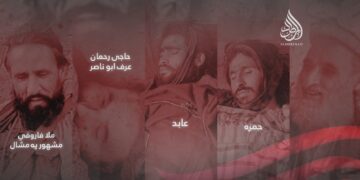
Sources told Al-Mirsaad that this killing campaign in Khyber Pakhtunkhwa, particularly in Bajaur, was carried out by a single cell whose members included Abu Bakr Bajouri (Imran), Idrees (Yusuf), and Mullah Imran.
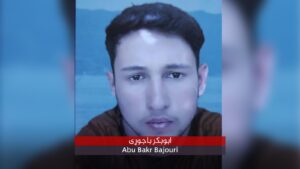
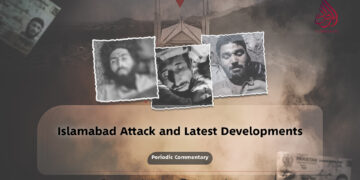
Abu Bakr and Idrees were killed by Pakistani security forces in Nowshera’s Hakimabad this past February, following a suicide attack they orchestrated on a Shia mosque in Islamabad that left 31 dead and 160 wounded. Pakistani intelligence had long turned a blind eye to this cell’s killing of scholars; the cell was, in effect, allowed to operate. But the attack on the capital finally forced their hand. (Al-Mirsaad’s Periodic Commentary of that episode can be read here.)
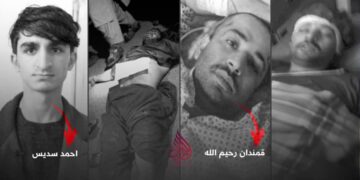
ISIS has martyred a number of religious scholars in Pakistan as well as Afghanistan, though it has never formally claimed responsibility for those killings. In Afghanistan, Sheikh Mujib-ur-Rahman Ansari and Sheikh Sardar Wali are among the most notable. In Pakistan, Sheikh Hamid-ul-Haq (administrator of a prominent madrassa) was also martyred in a Friday prayer attack that claimed six other lives, again without any formal claim.
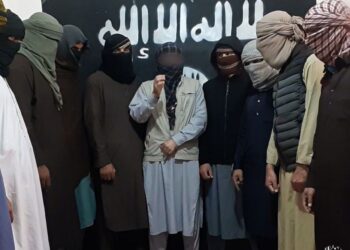
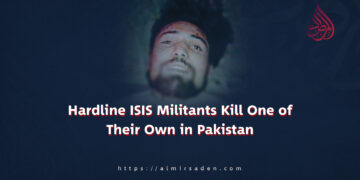
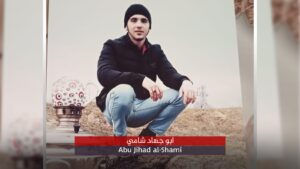
Fresh sources tell Al-Mirsaad that the attack on Hamid-ul-Haq was carried out by an ISIS operative known as Abu Jihad al-Shami, who had been trained in Balochistan’s camps. Sources have shared a photograph of the individual with Al-Mirsaad.
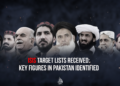
The elimination of religious scholars remains a top priority for ISIS. Sources say the group intends to target JUI-F chief Maulana Fazlur Rehman along with several other scholars and politicians. Their names appeared on a list (Hit List) obtained in July 2024 from a key ISIS network, a list identifying high-value targets in Pakistan. (That report is available here.)
Who Martyred Sheikh Muhammad Idrees?
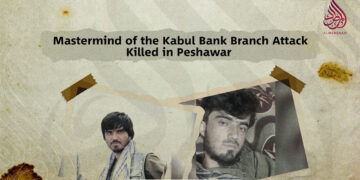
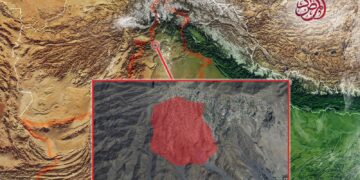
It is now well established that ISIS moved its operatives and infrastructure across the Durand Line into Pakistan. The killing of Idris and Abu Bakr in Nowshera this February, the shooting of Zalmai Badakhshi (Salman) by unidentified gunmen in Peshawar in March, and the earlier killing of a known ISIS figure named Abdul Malik in Khyber’s Surghar area in August 2025 all point to an active and shifting network. Each of these individuals had a footprint on both sides of the Durand Line.
Security sources say two ISIS commanders are currently active in Khyber Pakhtunkhwa, known by the names Siddiqyar and Huzaifa.
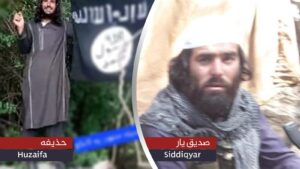
Both are close associates of Abdul Malik and are considered key facilitators for ISIS-K in the region. Sources believe it is highly likely that Sheikh Muhammad Idrees’s killing was carried out by individuals connected to these two commanders