











By Ajmal
After the fall and decline of the Ottoman Caliphate, the hopes for restoring Islamic systems, caliphates, and emirates in the world in general and in Muslim lands in particular gradually turned into despair. The renewed dominance of kuffar brought the world into an age of oppression, brutality, and occupation. Muslim rulers and kings, instead of enforcing the laws of Sharia, turned toward ideas and systems introduced by non Muslim powers, such as democracy and other legal codes. As a result, rulers and military forces in Muslim lands became instruments of oppression, violence, and plunder.
Afghanistan too was confronted with the same condition. The streets and pathways of cities and villages had been turned into fields of fire for the people by warlords, criminals, and the puppets of invading powers. Society was under the control of the rebellious and the oppressive, and people were compelled to survive through force and fear.
It was in such a time that, from a humble and oppressed madrasa, outwardly poor yet inwardly a vast reservoir of justice, compassion, and strength for society, the people, and the Ummah, a movement arose with trust in Allah. For the ending of oppression, brutality, and occupation, it called upon the madrasas for collective mobilization, so that the prevailing conditions might be transformed.
The beginning of this struggle appeared laughable to some, while others extended their support to it. Yet after years of struggle, a transformation emerged through which, after a century, that red line, namely the failure to establish a Sharia based order, was broken, and hopes of restoration and renewed glory were revived. On the ground, a Sharia based system and Islamic governance came to prevail, becoming a warning bell for unbelieving powers, while the ascendancy of an Islamic order signaled the defeat of another great empire..
Remarkably, such peace, prosperity, and tranquility emerged that the grandeur, strength, and value of Islam became manifest to the people in a practical sense. On the ground, justice in the tradition of Umar ibn al-Khattab came to prevail within the framework of Islam.
Yet even then, because of the enduring hostility of oppressive, despotic, and occupying powers, and their refusal to tolerate an Islamic Sharia based order, Afghan soil remained under occupation for twenty years. Once again, there arose the need for a resolute and powerful struggle and jihad, so that the homeland might be liberated anew.
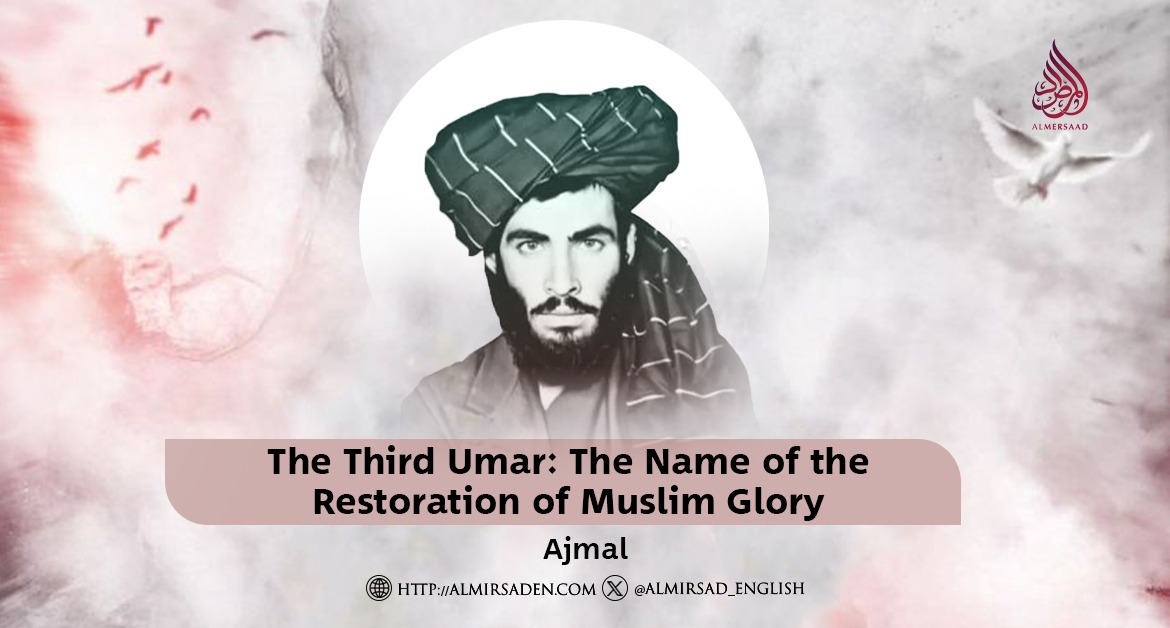
After twenty years of struggle, the forces of the Third Umar (RH), achieved victory under the banner of the reestablishment of Islamic order and governance, Alhamdulillah. The Third Umar (RH), was not only a model of peace and prosperity for the Afghan people, but also a proclamation and a call for the revival of unity and glory within the Islamic Ummah, demonstrating that Muslims are capable of establishing a system that fulfills the needs of both religion and humanity.
Amir al-Mu’minin Mullah Muhammad Omar Mujahid (RH) was the figure who, after an entire century, embodied the revival and restoration of the Caliphate, the Emirate, and Islamic political governance.