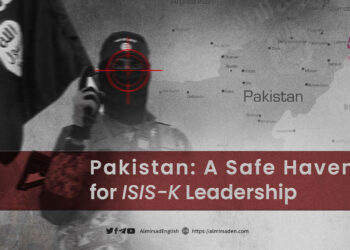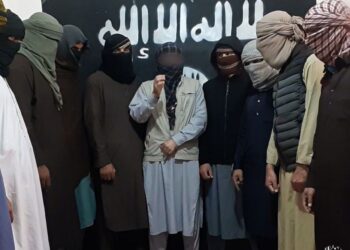







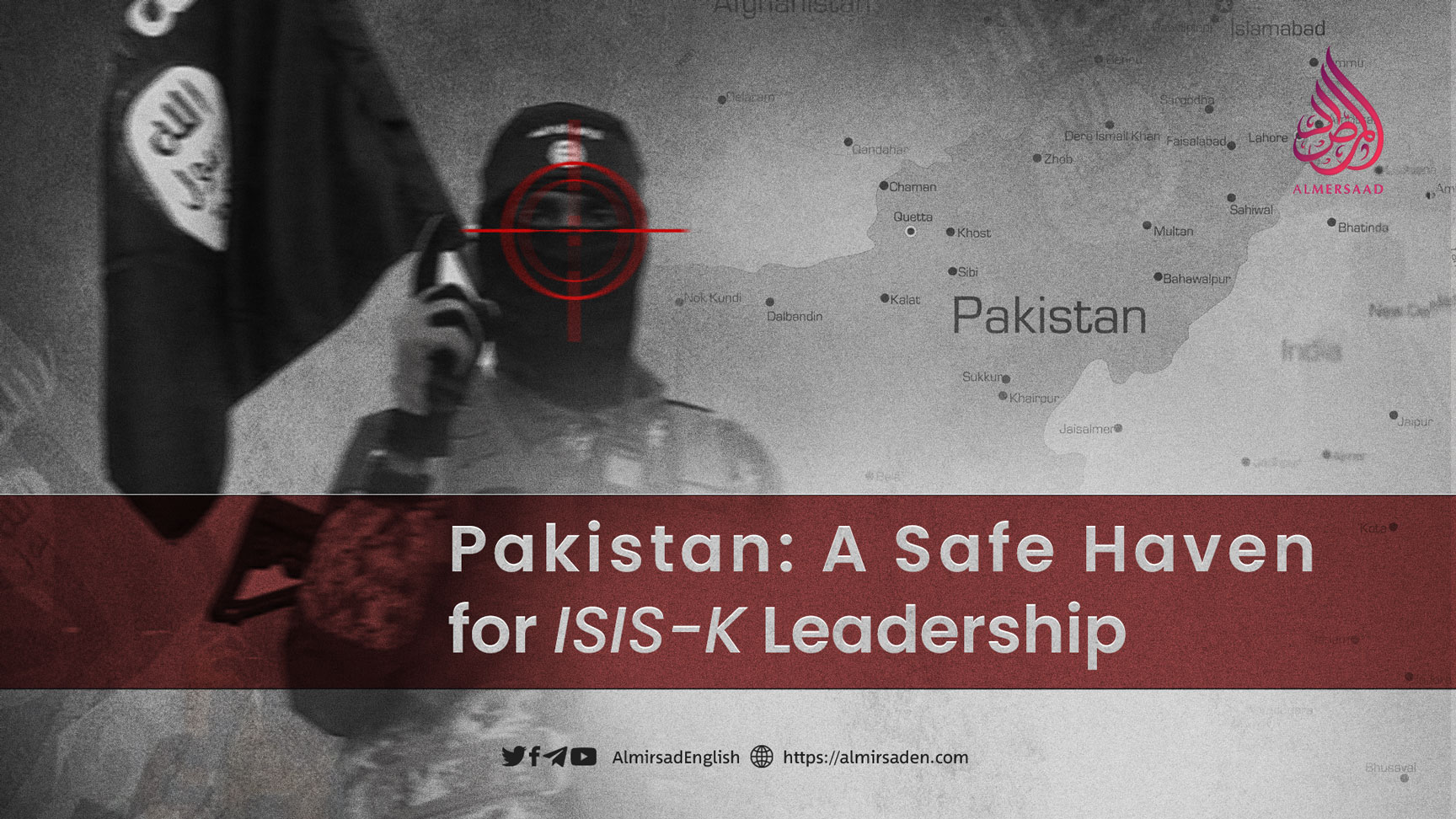
Al-Mirsaad has obtained information from its sources indicating that key figures within the leadership of ISIS-K have taken refuge in Pakistan, particularly in Khyber Pakhtunkhwa province (KPK).
According to the information received, most of ISIS-K’s key members and armed fighters were relocated to Pakistan in 2023 and initially settled in Balochistan. But after their bases there were dismantled in late February 2025, the group dispersed into urban areas before being systematically transferred into Khyber Pakhtunkhwa.
Sources say members of ISIS-K’s leadership council, along with several high-ranking operational commanders, are now hiding in the mountainous regions of KPK.
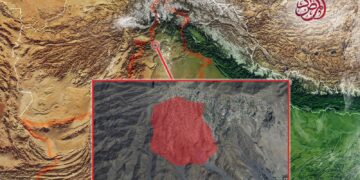
The same sources report that the group remains active in a number of areas across Khyber Pakhtunkhwa, including Shinko Kamar, Jabar Mela, Ghiljo, Torsamat, Daboori, Kemoor Mountain, and Dama Dola, located in the districts of Khyber, Orakzai, and Bajaur. The following high-profile figures are residing in these centers and adjacent cities:
Afghan ISIS-K Members Currently Based in These Hubs:
– Ziauddin Zarkharidi, head of the judiciary division
– Abdul Hakim Tawhidi, Former Military Commander (Amir al-Harb)
– Mawlawi Gul Nazim, also known as Tasal Mullah, member of the leadership council
– Sheikh Idris, Head of the Da’wah Department
– Abbas Abrar (Brother of Adil Panjshiri), Chief Liaison of the Security Department
– Hamid, General Supervisor of Sharia Courses
– Ustad Akrama, key operational commander
– Rustam, Key Operational Official
– Mawlawi Sibghat, senior operational commander
Pakistani ISIS-K Members Currently Based in These Hubs:
– Asad Hamza, Head of Bajaur
– Muawiyah, Head of Orakzai
– Idris Mulla (Resident of Balochistan), Head of Balochistan
– Hamza Baloch, General Supervisor of Centers in Balochistan and current key operational member
– Akhtar Nabi Siddiqyar, Leader of an operational group in the tribal areas
– Huzaifa (Known as Qaqaa, resident of Qambar Khel), Head of Khyber Tribal District
– Mulla Farooq, Key Member of the Leadership Council
– Abdul Hakim Sajjad, Key Military Member
Mulla Waqas Ustad (Resident of Orakzai)
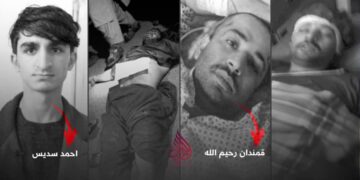
Several commanders and officials based in these same areas have been killed in recent months by unidentified gunmen:
Adnan, known as Abu al-Harb and reportedly responsible for tribal operations in Khyber, was killed on February 2 in the Shinko area of Qambar Khel, Bara. Ten other ISIS members, including foreign nationals, were also killed in the attack.
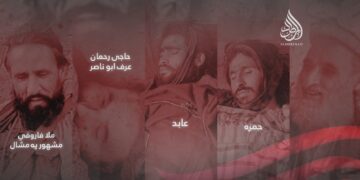
Haji Rahman, also known as Abu Nasir and said to be in charge of one of the group’s centers in Khyber, was killed alongside eight other militants in an attack on February 28 in the Torkani-Narik area of Ghiljo, Orakzai.
Mulla Farooqi, a close associate of Haji Rahman who worked alongside him running kidnapping operations to finance their network. He was killed in the same Torkani-Narek strike.
Hamza and Abid, both were key operational figures and associates of Haji Rahman and Mullah Farooqi, were likewise killed in the assault.
Abdul Malik, Head of Khyber: A resident of Qambar Khel, he was killed by unidentified gunmen in the Sur Ghar area of Khyber in August 2025.
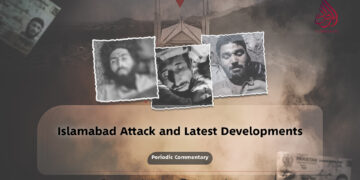
Idris (known as Yusuf), former Head of Bajaur: He was killed by Pakistani forces in Hakimabad, Nowshera, along with Abu Bakr (Imran) Bajauri, after they carried out a planned attack on a Shia mosque in Islamabad that resulted in 31 deaths and 160 injuries.
Zalmay (Salman), the mastermind behind the February 2025 attack on the Kunduz branch of Kabul Bank: He was directly involved in that attack, fled to Khyber Pakhtunkhwa in October 2025, and was later brought to justice this past March.
Abdul Mateen Abu Bakr, key official and mastermind: He attempted multiple suicide attacks in Kabul and other major cities, but those attempts were skillfully thwarted. Eventually, he fled Afghanistan and was killed by unidentified gunmen in Khyber Pakhtunkhwa this past March.
Beyond the operational leadership, sources say the ISIS-K propaganda apparatus is also fully controlled from Balochistan and Khyber Pakhtunkhwa. The arrest of Sultan Aziz Azzam, the group’s media chief, by Pakistani intelligence is cited as one concrete piece of evidence of this.