















Part 14
Ehsan Sajadi
In the Islamic worldview, ethics holds an exceptionally high status. It is so central that the Prophet Muhammad (PBUH) described the very philosophy of his mission as the completion of noble moral character. This radiant legacy did not end with his passing. After him, the Rightly Guided Caliphs continued this tradition with such depth, care, and moral sensitivity that it illuminated the course of Islamic history.
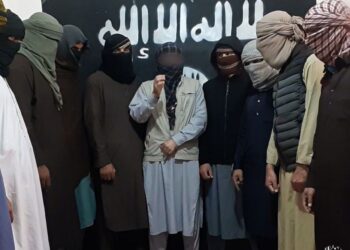
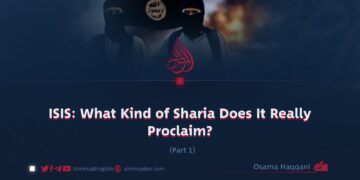
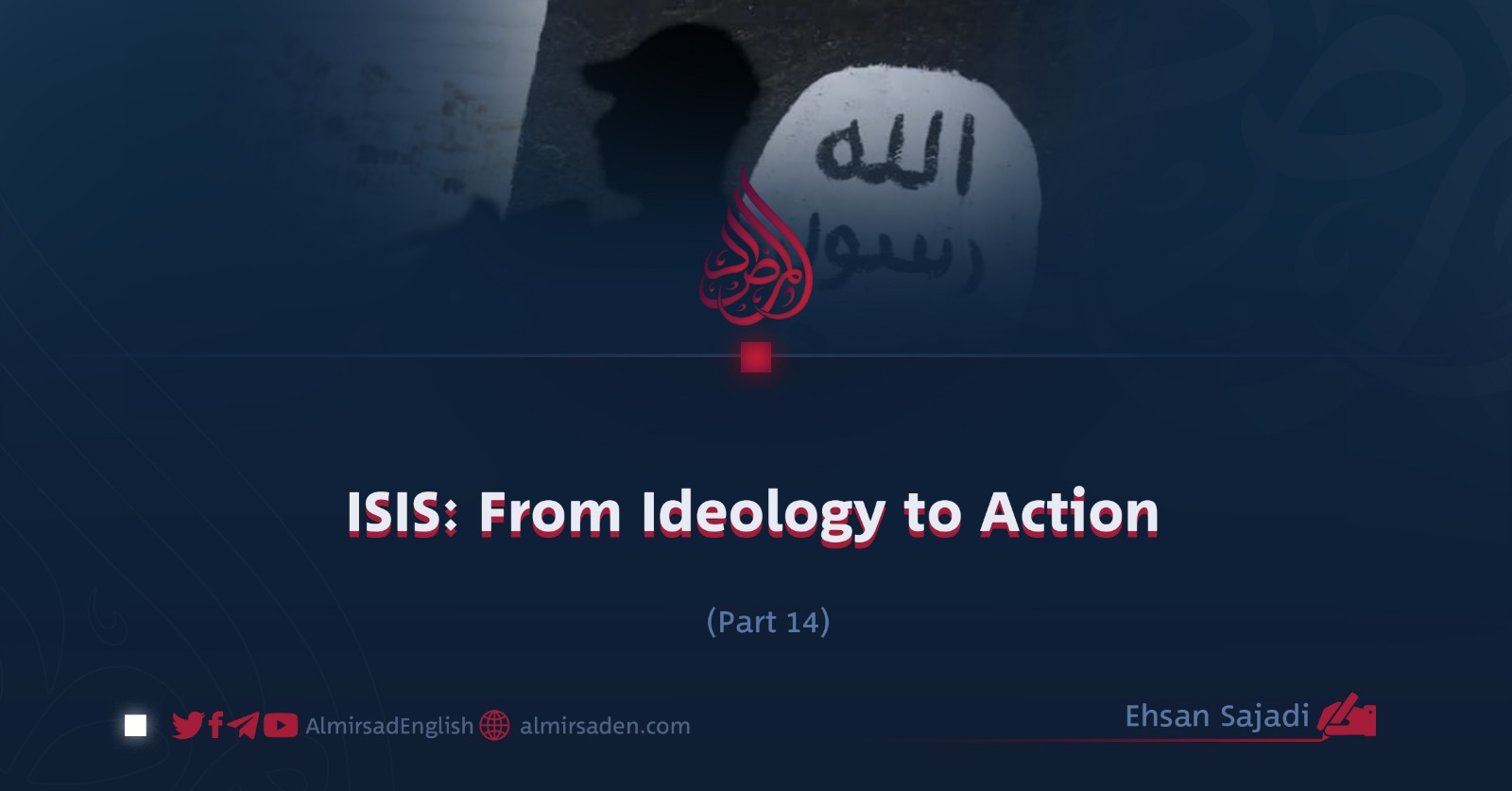
ISIS, however, the self-proclaimed group that claimed to revive the Islamic Caliphate, neither inherited this ethical tradition nor showed any regard for it. On the contrary, through its openly inhumane actions, it inflicted deep and lasting wounds on the body of Islamic ethics itself.
By promoting sexual slavery and trampling human dignity, this takfiri group placed itself in direct confrontation with the Qur’anic declaration: “Indeed, We have honored the children of Adam.” While cloaking its rhetoric in the language of Islamic morality, ISIS reduced innocent women and children to tools of warfare. The contradiction becomes even more glaring when one recalls that in the Prophetic model, even captured enemies were treated with full recognition of their humanity and basic rights.
The moral machinery of ISIS was built upon systematic takfir. Early Islamic history shows that even those widely known as hypocrites were met with restraint and patience. ISIS, by contrast, discarded all such moral limits. Through mass executions and preordained punishments, it violated every ethical standard Islam had painstakingly established.
Its penal system resembled a grim spectacle of medieval brutality, thinly painted with Islamic terminology. Islamic jurisprudence, however, places strict conditions on the implementation of punishments and opens numerous doors to mercy, mitigation, and compassion. ISIS ignored these principles entirely, adding some of the darkest chapters to the modern history of violence. It is especially telling that classical legal sources record how the second Caliph suspended the punishment for theft during years of famine, while ISIS showed no mercy even toward starving children.
The group’s propaganda was steeped in deception. Through fabricated hadiths and the distortion of religious concepts, ISIS sought to justify acts that were both morally corrupt and profoundly inhuman. This stands in stark opposition to Islamic teachings, where lying is counted among the gravest sins and where the Prophet (PBUH) consistently emphasized truthfulness as a foundation of faith and character.
Another contradiction lay in the behavior of the group’s leadership. While urging the public to embrace asceticism and piety, these leaders themselves lived lives of comfort, luxury, and indulgence. Documents and credible reports indicate that ISIS leaders amassed sudden and significant wealth, even as they pushed ordinary people toward poverty, deprivation, and suffering.
In the end, ISIS cannot be understood as an Islamic movement. It was, rather, an anti-Islamic phenomenon that emerged with the support and manipulation of colonial and external powers. Its actions were so fundamentally at odds with Islamic ethics that even many Salafi scholars publicly denounced it. Today, Muslims everywhere carry a shared responsibility: to present the true message of Islam to the world, to reveal the authentic and merciful face of this religion to the world, and to guard against future distortions that seek to exploit religion in the pursuit of violence and power.