



















By Akbar Jamal
Any smart player in the world, when he keeps losing, when his pieces slip from his hands and his pockets run dry, stops for a moment, thinks about his mistakes, and changes his strategy. But gambling addiction is the kind of misfortune that strips a man of his reason and judgment.
When a gambler is mentally exhausted and rattled by one loss after another, when he can see the game slipping away from him, instead of walking away from the table he goes even more reckless and blind, placing a bigger bet than ever before. On the hollow hope that maybe one sudden twist of luck will make up for all those humiliating losses.
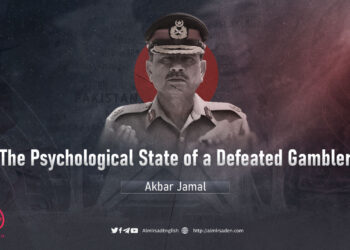
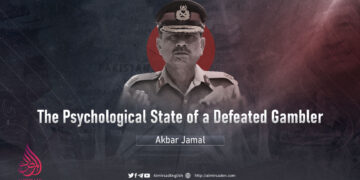
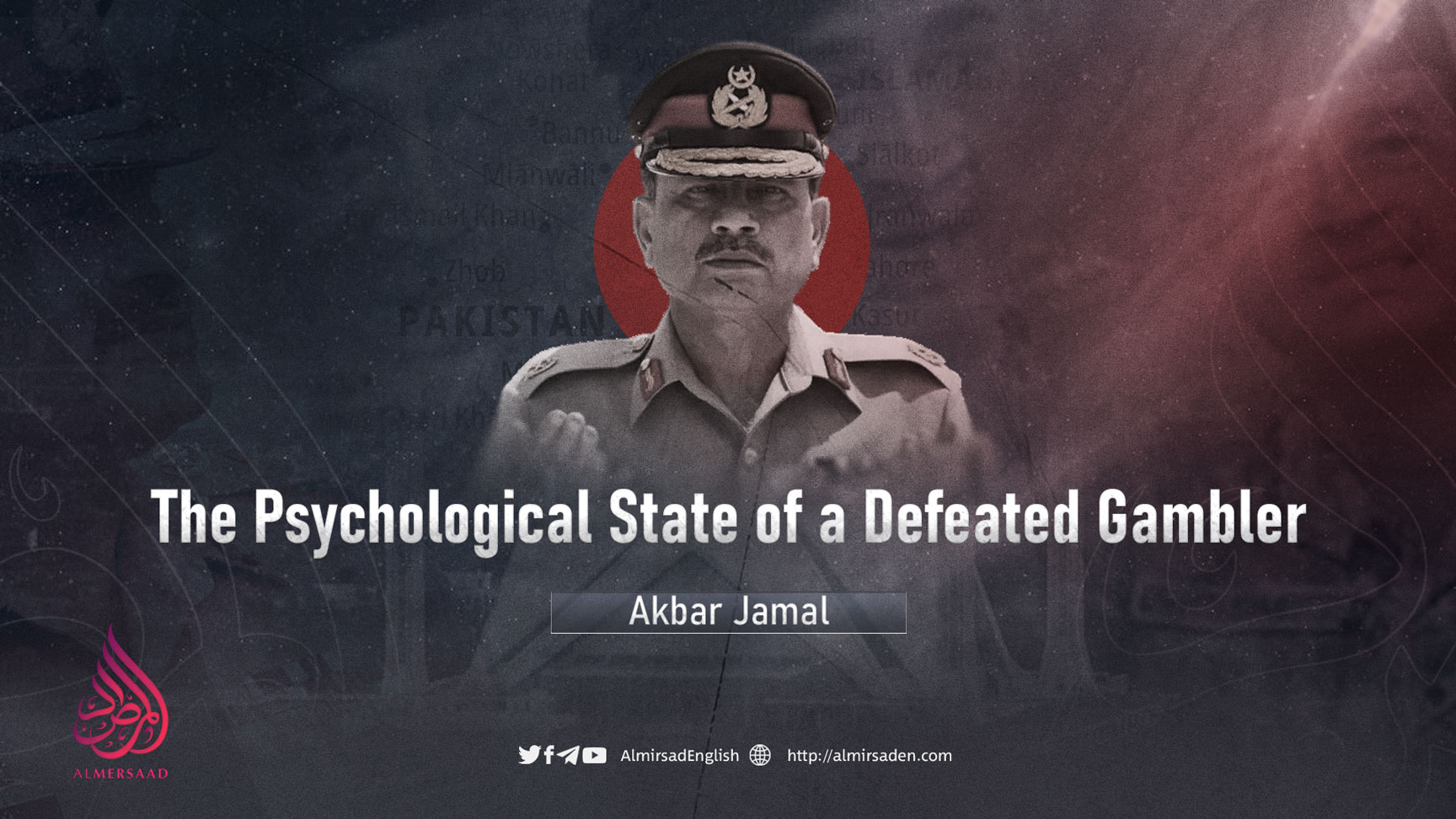
If you look closely at the mental and psychological state of Pakistan’s political and military ruling class today, the condition of GHQ and the political circles operating under its shadow in Islamabad looks exactly like that beaten, desperate gambler, who is now placing his last bet on the lives of the innocent people of Kashmir and Afghanistan to hide his own domestic failures. To understand this reckless adventure for what it really is, you have to look at the “crisis industry” that has been bred and nurtured for decades behind the closed rooms of Rawalpindi and Islamabad.
When a state has been trapped for years in the grip of economic crisis, when its economy is on artificial life support from international lenders, when political instability deepens by the day and internal security is in steady decline, it is only natural that the people wake up and start asking questions.
When ordinary people pour into the streets demanding bread, shelter, work, and their basic legal rights, a system built on weak foundations shakes hard. In moments like these, to cool the public’s anger and divert attention from the real problems, the military establishment always reaches into its old box and pulls out a manufactured, imaginary “external threat” and pushes it at the people through the media.
People are told that enemy forces are massing on the borders, that India is using Kashmiris for its own ends, that Indian money has been found in the homes of Kashmiri leaders, that Afghanistan is working to change Pakistan’s system from within, and that Pakistan’s security now faces a serious danger. So forget about the economy, forget about democracy and basic rights, everyone must fall in line behind the army. This is the Pakistani military’s old and worn-out playbook, the one it uses to get a grip on the minds of simple and oppressed people and keep them suspended in an atmosphere of fear and emotion.
But when, even after all these efforts and all this propaganda, the domestic situation still gets out of hand and the foundations of the system start to shake, then cross-border adventurism comes forward as the last resort. The bombs dropped on the peaceful villages of Khost, Kunar, and Paktika were not part of any serious defensive plan. They were a panicked, unthought-out move by a frightened and rattled military establishment. It was a last gamble in which the Pakistani military sacrificed the blood of innocent Afghans, women and children, for its own purposes.
Behind this aggressive and reckless military action were two core objectives. The first was to reignite those manufactured feelings of national sentiment in people’s minds at home, one more time, and push them to see the army as still the guardian of the country’s borders. The second was to send a message to distant international backers and influential circles that the Pakistani military is still an “indispensable player and ally” in regional security, and therefore its role must not be overlooked.
The truth is that the atmosphere of permanent conflict and hostility toward Afghanistan and India that the Pakistani military has created and maintained is not some geographic necessity, not a demand of nature, and not a sign of any political vision. It is the product of a calculated and deliberate “military necessity.”
Think about it for a moment. If tomorrow a lasting peace took hold on the borders, if the doors of trade with Afghanistan and India opened up and relations returned to normal, what justification would remain for an army this size, a defense budget this heavy, and a security apparatus this rigid?
That is why, from the military mindset’s point of view, keeping this vast and costly military structure alive requires that a permanent and frightening enemy always be kept alive in people’s minds and in the media. Even if keeping that fear going means damaging the economy of their own people, or spilling the blood of neighboring Muslims. And that is the fundamental difference between a professional military force and an ordinary gambler. A real and professional army fights for principles, moral values, and the defense of its country. A gambler moves his pieces only for his own desires and to hold onto power.
When a military institution abandons a defensive strategy and starts treating the lives of innocent human beings like playing cards and gambling chips, it has in truth already accepted its moral and strategic defeat in the court of its own conscience, before it ever loses on the battlefield.
The latest moves from Islamabad and Rawalpindi are not the signs of a strong and stable institution. They are the final signs of a desperate, rattled, and deeply unsettled system that, out of fear of the collapse of the situation it built for itself, is now pursuing its goals at the price of innocent people’s blood.