



By Jalil Arman
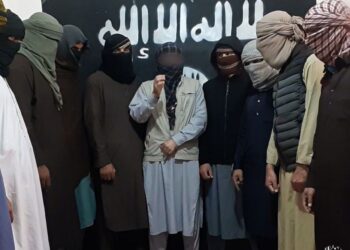
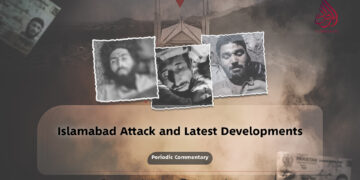
The horrifying and deeply disturbing explosion in Kabul’s Shahr-e Naw area once again laid bare the true nature of ISIS, a reality steeped in blood, deception, and open hostility toward life and peace. This attack was not the result of strength or capability, but rather a manifestation of desperation and defeat. A group that has spent years committing crimes under the banner of religion continues to rely on such brutal acts of violence in a futile attempt to obstruct the path of hope and stability in Afghanistan. What it fails to grasp is that the Afghan nation is no longer vulnerable to these malicious and worn-out tactics.
Following the collapse of the American-backed puppet government and the end of foreign occupation, our beloved Afghanistan breathed new life once more. An Islamic system emerged organically from among the people themselves, a system whose foremost priorities are security, social order, and economic reconstruction.
Today, across many provinces of the country, markets have revived, roads have become secure, and citizens are returning to work and commerce with renewed confidence and optimism.
At the same time, Afghanistan’s relations with neighboring states and countries across the region are steadily expanding on the basis of mutual respect and shared interests. These developments convey a clear and unmistakable message: Afghanistan is no longer a battleground for the geopolitical games of foreign powers. Rather, it is gradually reclaiming its natural and rightful position within the region.
Yet such progress is intolerable for the enemies of peace, those circles that thrive on instability, war, and bloodshed. Whenever they witness security and prosperity taking root, they resort to violence. ISIS is one such group, an organization that neither represents Islam nor reflects even the most basic principles of human morality. Through cruel and inhumane attacks, it seeks to destroy public trust and to project a false image of insecurity to neighboring countries, despite the fact that realities on the ground clearly and decisively refute these claims.
The explosion in Kabul’s Shahr-e Naw area must be understood within this broader context. The attack was a calculated attempt to discredit the governing system and to undermine Afghanistan’s expanding regional relationships.
ISIS cannot tolerate seeing Afghanistan move forward in an atmosphere of cooperation, dignity, and mutual respect with its neighbors. For this reason, it resorts to destructive and anti-human actions in an effort to erect walls of suspicion and mistrust. History, however, consistently demonstrates that such malicious intentions never achieve lasting success.
ISIS has long sought to commit atrocities in the name of Islam in order to satisfy its hidden sponsors and masters. Islam, however, is a religion founded upon life, justice, and human dignity, and the noble verses of the Holy Qur’an articulate this truth with absolute clarity. The murder of innocent people therefore constitutes one of the gravest betrayals of both religion and humanity. Every explosion, every act of killing, and every tear shed by an orphan as a result of ISIS’s violence stands as undeniable evidence of the group’s complete estrangement from Islam.
Today, the people of Afghanistan are more aware and vigilant than ever before. They clearly understand that these attacks stem from the exploitation of religion’s name, not from any genuine concern for faith or its values.
The security that has been achieved was built through immense sacrifice and patience, and it cannot be undone by a single explosion. On the contrary, every act of terrorism only strengthens the nation’s determination to safeguard stability and preserve normal life.
In conclusion, the Shahr-e Naw explosion in Kabul should not be viewed as a sign of ISIS’s strength, but rather as a clear indication of its weakness and despair. The light of security and hope continues to push back the darkness of violence. Afghanistan today is moving toward life, not death; toward reconstruction, not destruction. And despite every conspiracy and hostile design, this path will continue, Allah willing.