






By Abid Mujahid
Only those who have lived through grief truly know the taste of joy. Only those whose Eids, weddings, graduations, and ordinary moments of life were shadowed by loss and bloodshed know what peace actually feels like. For decades, Afghans were among those peoples of the world who marked their Eids not with celebration but with airstrikes, explosions, raids, and the funeral prayers of the martyrs. The night before Eid would arrive full of hope, but the morning would bring not the call to Eid prayer but announcements of the dead. Young men, sisters, brothers, and children would be wrapped in white shrouds instead of new clothes, departing toward Allah Almighty.
Alhamdulillah. For nearly five years now, Allah Almighty has granted the Afghan people something rare in this world: a system that emerged from their own soil, led by people who call themselves servants of this nation. Those in authority consider the lives, wealth, dignity, honor, joy, and grief of the people as their own, and they have devoted their days and nights to meeting the religious, economic, political, cultural, and social needs of their people. That work continues.
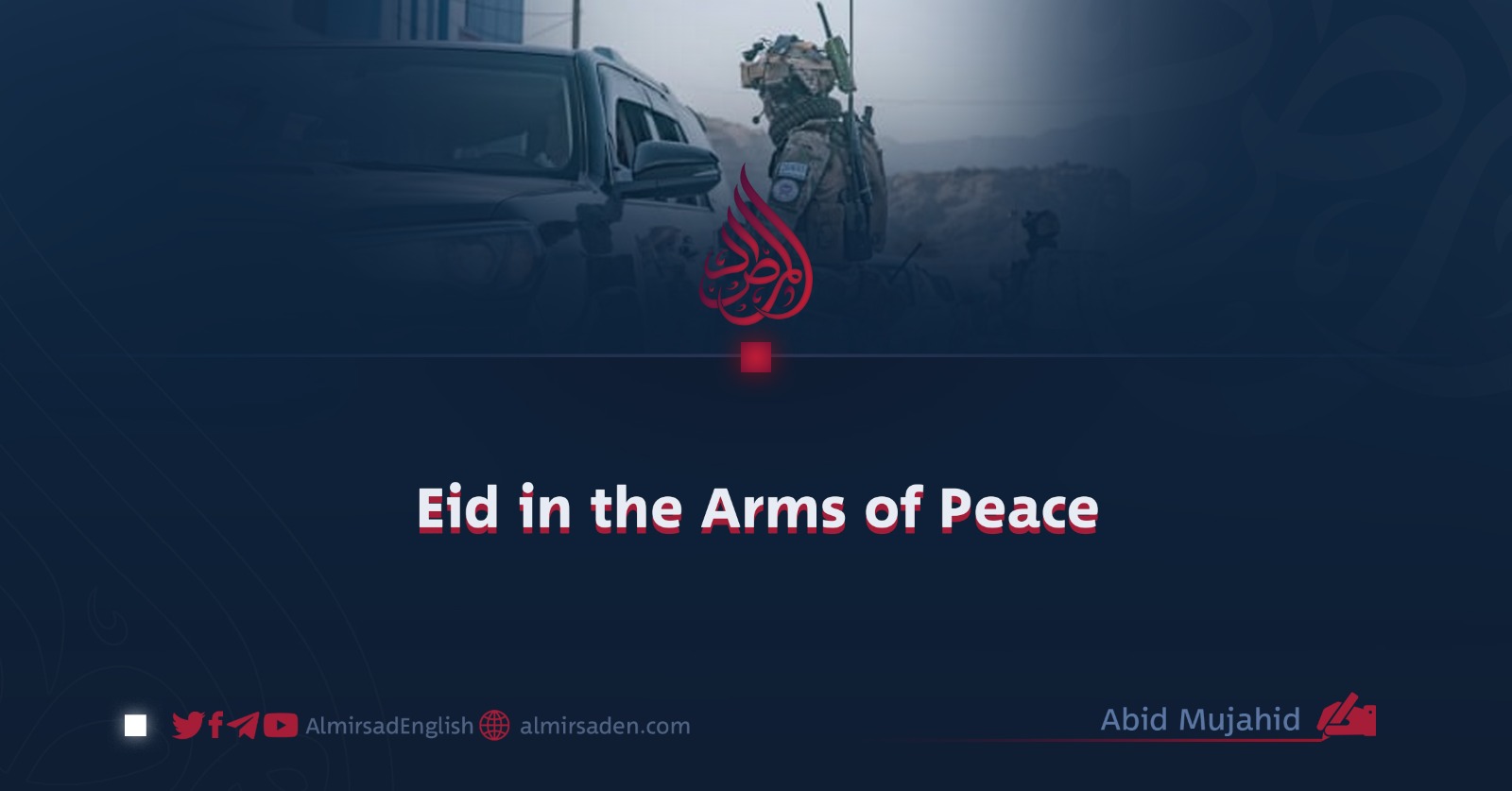
The most vivid proof of this is what happened during the blessed days of Eid al-Adha. The three branches of the Islamic Emirate’s security forces, those under the Ministry of Interior, the Ministry of National Defence, and the intelligence services, demonstrated a level of dedication both inside the country and along its borders that won the hearts of the people and proved something remarkable: nowhere in the world today is there security like this, and never in Afghanistan’s history have such celebrations been held in such complete peace. May Allah grant steadfastness and reward to the officials of the IEA and to the forces committed to the safety of this people.
Beyond security, Afghans have been given another blessing: their religious rites and national celebrations are now observed exactly as the guidance of Islam prescribes. These principles are embraced by both the people and the government, rooted as they are in Afghan religion, culture, and social tradition. That shared foundation is precisely what has made this kind of peace, both physical and spiritual, possible.
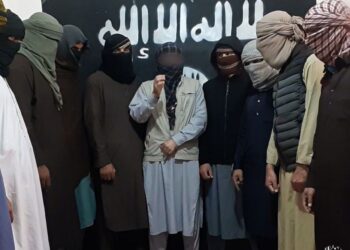
What made this Eid different from those of recent years is telling. In previous years, the ISIS Khawarij or other rebels against the Islamic system would inevitably attempt some movement, and the brave mujahideen would dismantle their plans before they could act. This Eid, they did not even dare. That, alhamdulillah, speaks for itself. It signals that the presence of such malicious elements in Afghanistan has been completely eliminated.
What makes Afghanistan different from other Muslim nations, near and far, is this: here, the people and the government share the same values, the same faith, and the same vision. Across much of the Muslim world, people do not see their governments as their own, because those governments have stood indifferent toward the things Islam and Muslims find repugnant: indecency, shamelessness, obscenity, alcohol, gambling, and hollow and wasteful excess. The IEA, by contrast, removed such things in accordance with Islam and in line with the will of the Afghan Muslim people.
We Afghans, then, ought not merely to appreciate such a system. We ought to offer gratitude to Allah Almighty, for after decades of conflict and uncertainty, we now possess this kind of security, both material and spiritual. We go about our daily lives in peace. Our religious and personal celebrations are held in an atmosphere of complete safety. And the word of Allah Almighty is true: “If you are grateful, I will surely increase you [in favor]; but if you deny, indeed, My punishment is severe.”