











By Sultan Muhammad Saqib
If you examine the pages of history carefully, it becomes evident that the Khawarij have always directed their weapons against those systems and individuals who remained true defenders of the supremacy of Islamic law and Islamic values. Every time the Muslim Ummah has gathered under the leadership of an amir, the fitna of the Khawarij has erupted, setting fires of division, fear, and instability within Muslim ranks.
There is something else worth noting. Most of the rebellions carried out by Khawarij against Islamic systems have begun under the shadow of intelligence networks whose deepest interest lies in destroying those very systems. The reason is not complicated. The enemy prefers to pursue its real goals wearing someone else’s face, someone else’s name, so that its own crimes stay hidden while the Islamic society tears itself apart from within.
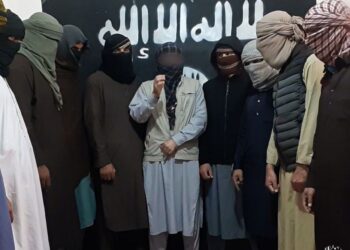
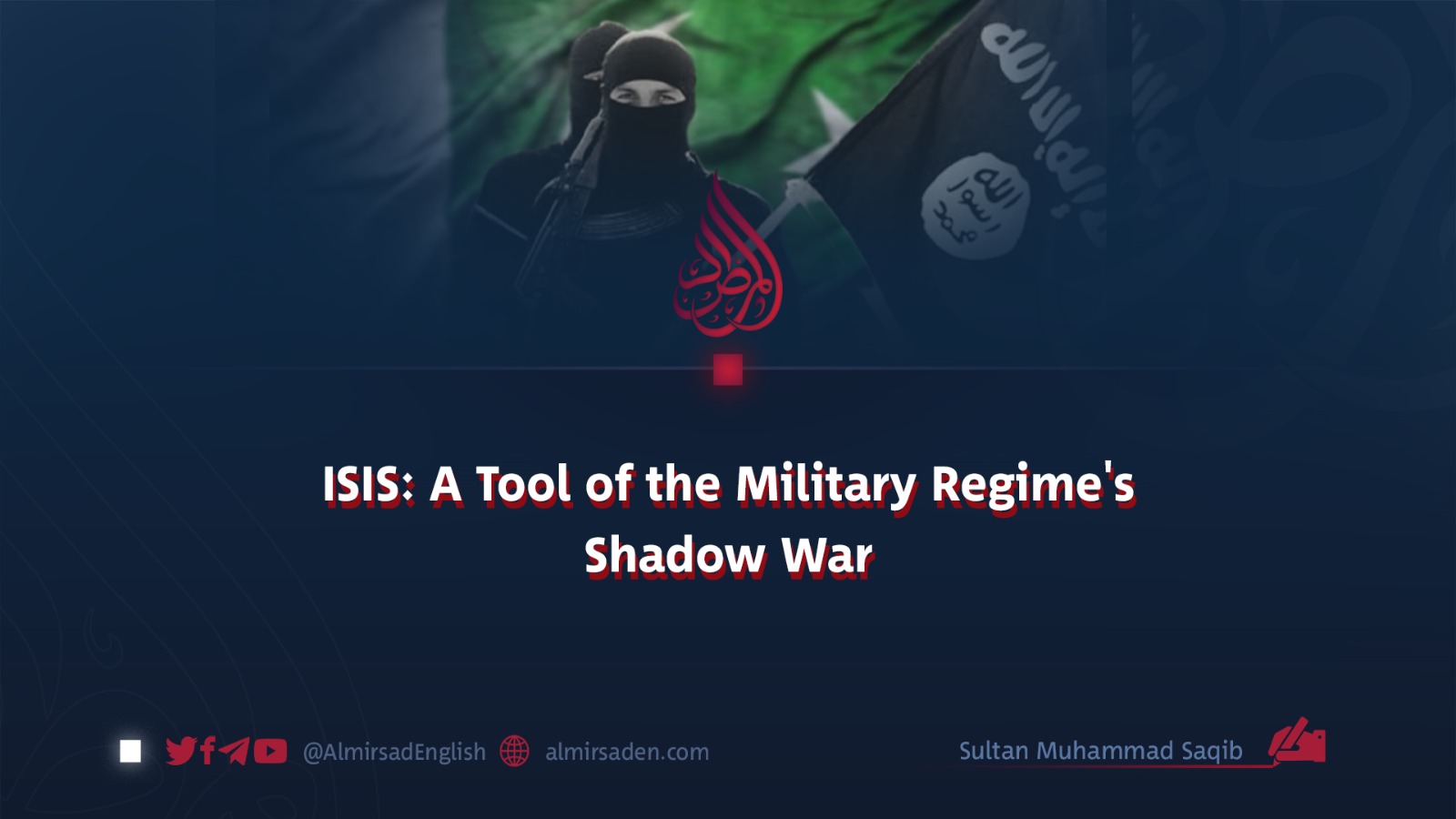
Several clear pieces of evidence point to a covert and deep connection between the ISIS Khawarij and the military regime. The first is this: in every country where ISIS has been active, serious and wide-ranging operations have been conducted against it. Perpetrators have been arrested. They have faced consequences. But in Pakistan, the assassination of scholars, religious figures, and leading Islamic thinkers has continued for years. Every time, ISIS claims responsibility. And every time, the military regime conducts no serious investigation, makes no meaningful effort to identify or punish those actually responsible. That sustained silence, that deliberate vagueness, is itself evidence. ISIS is being used as a tool, and someone is holding it.
The Islamic Emirate of Afghanistan (IEA) took a different path entirely. It moved against ISIS with real force, eliminating numerous elements and capturing individuals directly involved in the targeted killing of scholars, religious figures, and ordinary Muslims. This was not merely political opposition to ISIS. It was ideological and operational. The contrast speaks for itself.
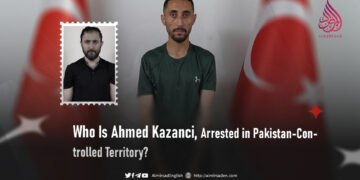
The second piece of evidence comes from the confessions of ISIS members captured by the IEA. They have confirmed the existence of active ISIS centers and physical infrastructure beyond Afghanistan’s borders, and they have confirmed that certain intelligence circles are using this apparatus for their own political and security objectives. The confessions, the evidence, the documents: all of it points in the same direction. ISIS is not an independent, organic movement. It is a piece in a much larger intelligence game.
To the honorable people of Pakistan:
You must wake up. The sleep of indifference has gone on long enough. Your country is being pushed toward the edge by the failed policies of a military regime, and with each passing day the destination grows darker and harder to read. The regime’s injustices, its connections to the ISIS Khawarij, its role in carrying out foreign agendas, its targeting of scholars and religious figures: these are not isolated incidents. They are a pattern, and that pattern is pulling your country toward isolation and collapse.
The assassination of scholars and religious figures, the targeting of Islamic institutions, the erosion of religious values, and the deliberate spread of fear are developments that threaten to plunge society into a deeper intellectual, spiritual, and social crisis.
It is a well-known principle that governments may endure despite disbelief, but they cannot endure injustice.
No state can preserve its legitimacy if it fails to protect its scholars and moral leaders, or if it remains silent in the face of the people’s most serious concerns. When trust is lost, the foundations of authority begin to erode.
For this reason, the people must respond with insight, unity, and intellectual vigilance. They must recognize the hidden agendas that operate behind religious slogans and refuse to allow the name of Islam to be used as a tool for dividing the Ummah and weakening Muslim society from within.