











Part 8
By Aziz Jalal
ISIS Laws: A Sharia of Swords and Blood
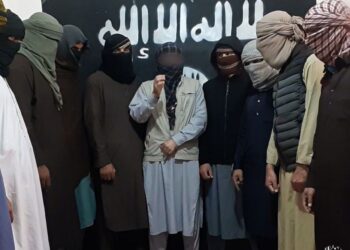
The legal system ISIS imposed in the territories it controlled stood as a chilling example of weaponized religion, an authoritarian structure built on the distortion of sacred concepts and the crushing of basic human dignity. What the group presented as “Islamic Sharia” was, in reality, a grotesque and warped fusion of shallow interpretations of religious texts merged with orchestrated brutality. It bore no intellectual, moral, or theological resemblance to genuine Islamic teachings.
At its core, ISIS’s judicial apparatus rested on three pillars: an extreme interpretation of hudud punishments, the expansion of offenses subject to harsh penalties, and the total denial of legal defense or due process for the accused. This was not a justice system in any recognizable sense, it was a regime of terror expressly designed to intimidate, dominate, and erase dissent. Even the smallest hint of disagreement was met with severe and often fatal consequences.
The group’s makeshift desert courts, frequently staged in public squares, became horrifying performances of authority. Self-appointed judges, many of them barely literate yet zealously ideological, issued verdicts within minutes, and punishments were carried out immediately. Petty thieves had their hands sliced off, women accused of improper conduct were publicly whipped, and anyone expressing opposition to ISIS rule risked execution on the spot.
These medieval forms of punishment, deliberately carried out before horrified crowds, served no purpose other than to cultivate fear, submission, and psychological paralysis. The most striking and revealing irony is that ISIS leaders themselves rarely adhered to any of these rigid rules, even in the slightest way. Behind closed doors, they engaged in every form of crime they publicly condemned.
Among the most savage aspects of ISIS governance were the laws directed at women and religious minorities. Women were reduced to second-class beings deprived of the fundamental right to choose the course of their own lives. Forced marriages between fighters and teenage girls, the trafficking and sexual enslavement of Yazidi and Christian women, and a total ban on women’s education and employment represented only a fraction of the broader landscape of brutality.
Religious minorities were given two options: submit by paying exorbitant taxes or abandon their homes and communities altogether. These policies, rooted in misogyny, sectarian hatred, and ethnic cleansing, exposed the true nature of ISIS: not a religious movement, but a fanatical violence machine cloaked in sacred rhetoric. Though wrapped in the language of faith, ISIS rule in practice was nothing more than a system of extremism and cruelty utterly detached from Islamic ethics or any recognizable standard of morality.
The group also engineered an expansive intelligence and surveillance apparatus that monitored daily life down to the smallest detail. Homes, markets, and streets were watched, and even a minor deviation from prescribed rules invited swift and vicious punishment. In this terror-state, concepts such as justice, mercy, and fairness simply vanished. The only governing principles were force, coercion, fear, and bloodshed.
ISIS’s legal architecture was never designed to organize society, protect people, or uphold moral order. It existed for one aim alone: to crush any possible resistance before it could emerge. Ultimately, this tyrannical system became one of the primary forces behind ISIS’s collapse. The cruelty it inflicted fueled public outrage, and communities under its grip eventually turned against the group, choosing to resist rather than continue living under suffocating oppression.