

By Khalid Ahrar
The cries and wails of oppressed Afghans reach the skies, yet the ears of the world remain deaf. From the end of February until today, the aircraft of the Pakistani military regime have driven a dagger into the heart and soul of Afghanistan. In Kabul, Kandahar, Nangarhar, Khost, Paktia, Paktika, Kunar, Nuristan, and other regions, people sit under the shadow of grief during the blessed month of Ramadan and the days of Eid. These are not “operations”; rather, they are the savage hunger for power of Asim Munir’s faction, soaked in the blood of oppressed Afghans.
The Most Horrifying Scene at the Drug Rehabilitation Center in Kabul
Just imagine!
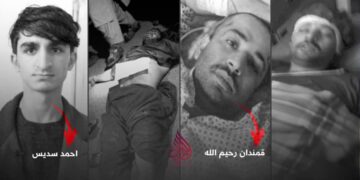
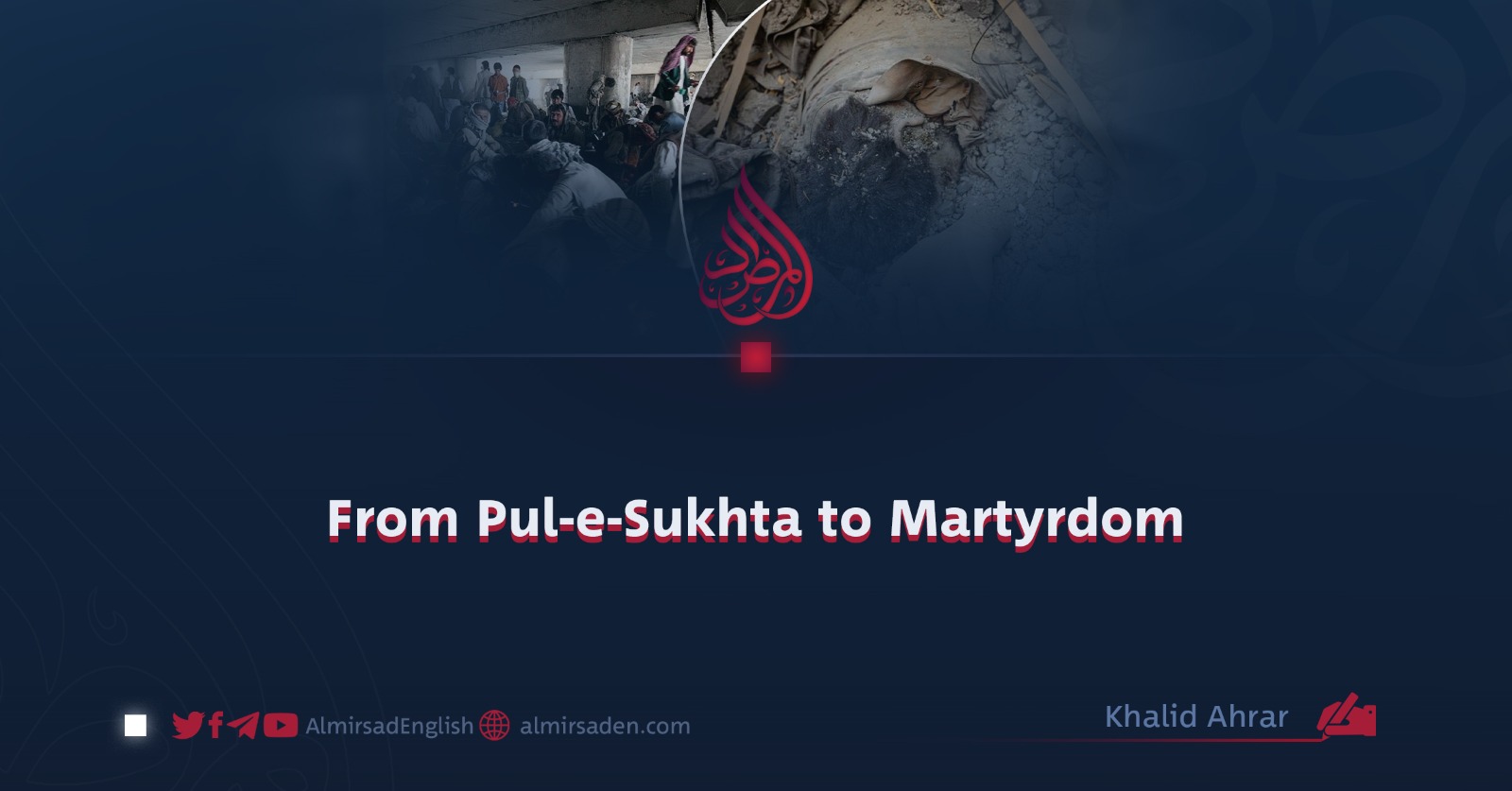
A hospital, where an addict had come hoping to free himself from the cruel grip of addiction in the final moments of his life. There, other addicts lay with the last glimmer of hope in their eyes, while their families prayed to God for their recovery. And then, death rained down from the sky. Pakistani jets targeted this very drug rehabilitation center in Kabul. According to the latest statement from the Islamic Emirate of Afghanistan (IEA) spokesperson, up to four hundred addicts were martyred, most of them poor, weak, and bound by the chains of addiction, striving to return to life. Dozens more were injured. This was not a military facility; it was the last refuge of hope.
Even international human rights law has repeatedly stated that hospitals, patients, and medical staff are to be protected, but Pakistan blatantly trampled all of this underfoot. An addict, who could once assure his family, “Insha’Allah, I will get better,” is now reduced to a lifeless corpse. A father, who had promised his children that he would return to them, is now only found in burned fragments. This blood is not just blood, it is the blood of the hopes and dreams of Afghan fathers and mothers.
It was not only the brutal attack on the Kabul addicts’ center; by the first week of March, dozens of civilians, including women and children, were wounded or martyred in the bombings and artillery attacks carried out by the cowardly Pakistani military. Over 100,000 people were displaced, dozens of homes were reduced to rubble, many more were partially or completely destroyed, and public facilities, mosques, villages, and cities were deliberately targeted. This is not war, it is oppression and barbarity imposed upon the defenseless.
Pakistan, unable to control the TTP even within its own borders, they set up checkpoints in broad daylight and reach the centers of major cities, venting its frustration on the defenseless Afghan civilians. When the turbaned Taliban demanded autonomy along the hypothetical border, the military clique launched the “Ghazab-lil-haq” drama. These blind attacks are aimed at spreading terrorism, not at establishing peace and stability.
Targeting civilians and patients with jet aircraft is not bravery but cowardice. It is a war crime and a humanitarian disaster that has reached its peak under the Pakistani military regime, and history will never forget it. If the international community remains silent, if neighboring countries maintain a fast of silence, and if the United Nations and global human rights organizations remain asleep in negligence, they must not forget that in Afghan blood both patience and revenge are contained. This blood will not go to waste; rather, its due will be claimed many times over.