











By Ihsanullah
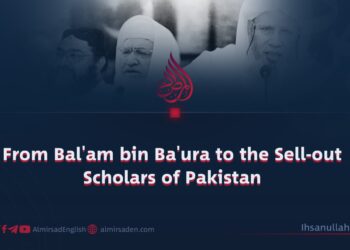
In the Holy Quran, Allah Almighty recounts the exemplary story of a scholar who possessed knowledge of the Divine signs but deviated from the path of truth and ultimately fell into the pit of misguidance. Commentators have identified this person as Bal’am bin Ba’ura; a scholar who lived during the time of Hazrat Musa (AS) and from whose knowledge the people held great hopes. However, when Pharaoh promised him wealth and status, he was deceived and turned away from the truth. Instead of standing alongside Hazrat Musa (AS) and the oppressed Bani Israel, he joined the ranks of Pharaoh and used his knowledge to justify his tyranny.
The Holy Quran says regarding such a person:
«فَانسَلَخَ مِنْهَا فَأَتْبَعَهُ الشَّیْطَانُ فَکَانَ مِنَ الْغَاوِینَ» (اعراف: ۱۷۵)؛
That is, he detached himself from the Divine signs and followed Satan, until he was counted among the misguided. This Quranic story is not merely a historical narration, but a warning for all times; a warning that shows how even a religious scholar, if ensnared by the fitna of power and wealth, can become a tool for tyranny.
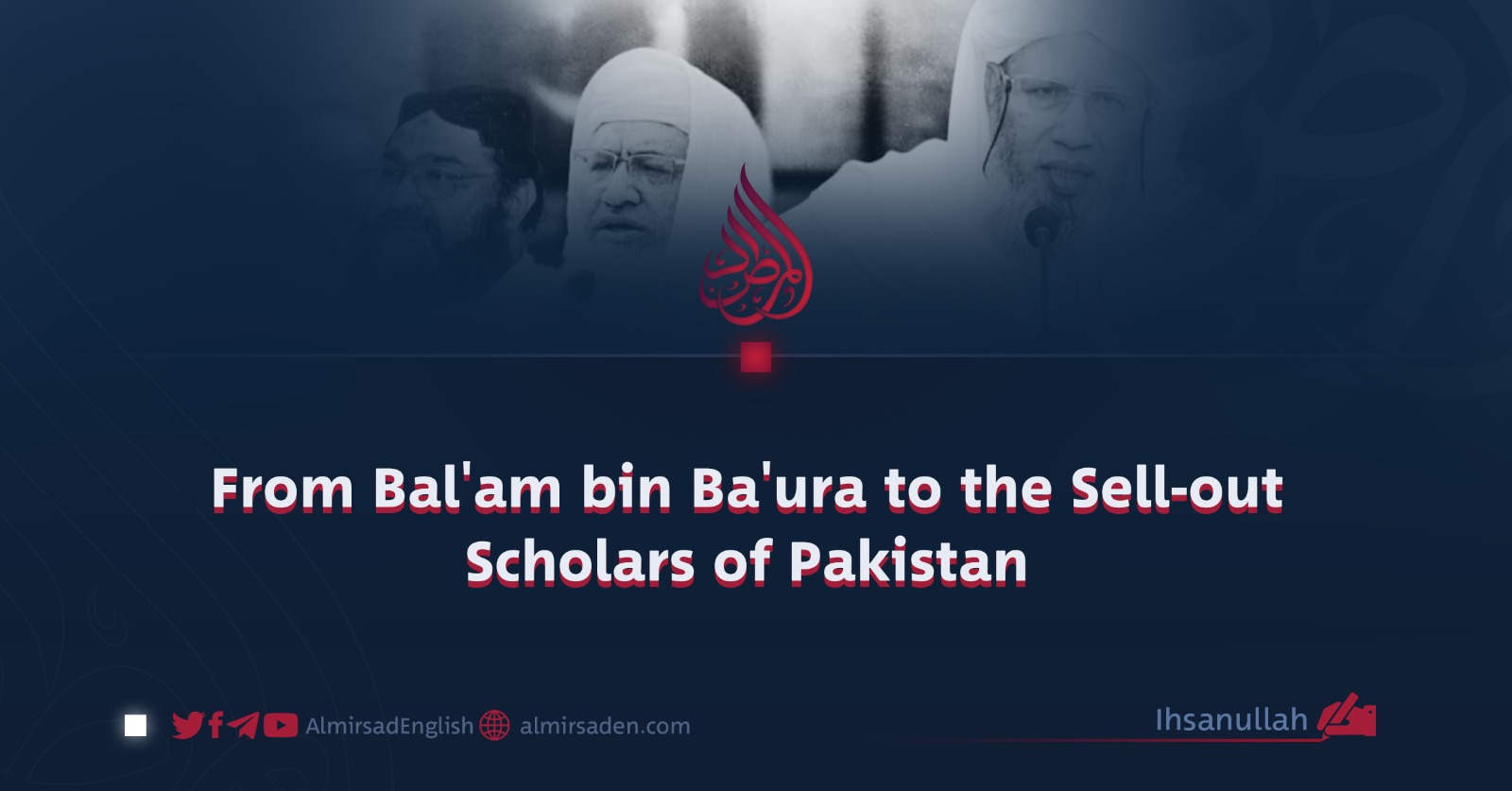
Today, when we look at the situation of some religious figures in Pakistan, a worrying similarity to this Quranic fate is observed. A number of individuals who call themselves religious scholars have, unfortunately, taken a path very similar to the fate of Bal’am bin Ba’ura. They have placed their knowledge and religious status at the service of a system that many analysts believe is tied to foreign powers. These individuals not only remain silent in the face of the Pakistani government’s controversial policies and actions but occasionally attempt, through their speeches and fatwas, to justify these policies in the name of “good governance.” This behavior occurs while in many regions of the country, from Balochistan to the Pashtun inhabited areas, people complain of violence, oppression, and injustice.
Furthermore, it is clear to many regional analysts that Pakistan’s foreign policies are often linked with the strategies of major global powers. Military and intelligence cooperation with Israel and Western powers, the presence of foreign forces in certain military bases, and Pakistan’s role in regional security shifts are subjects that are consistently raised in media and political reports. In such a situation, the expectation is that religious scholars would speak about these realities with honesty and courage and defend the rights of the people. However, unfortunately, some courtly scholars choose silence instead of enlightenment, and even occasionally support government policies through religious discourses.
The core problem is that such support is often expressed from the pulpit and the mosque; that is, from the place that should be the center for the expression of truth and justice. When a scholar tells the people that obedience to such a government is mandatory and presents any form of protest as rebellion against the ruler, they are, in reality, selling their scholarly status, which represents the heirs of the Prophets and the voice of truth and justice to oppressive rulers.
In another verse, the Holy Quran warns:
«إِنَّ الَّذِینَ یَکْتُمُونَ مَا أَنْزَلَ اللَّهُ مِنَ الْکِتَابِ وَیَشْتَرُونَ بِهِ ثَمَنًا قَلِیلًا أُولَٰئِکَ مَا یَأْکُلُونَ فِی بُطُونِهِمْ إِلَّا النَّارَ» (بقره: ۱۷۴)؛
That is, those who hide divine truths and sell them for a small price are, in reality, consuming nothing but fire into their bellies. This verse clarifies that concealing the truth and selling it for a small price is considered among the greatest betrayals against religion. When a scholar knows the truth but hides it for the sake of status, money, or political privilege, they are essentially committing the same error that the Holy Quran has warned against.
In contrast to these sell-out scholars, the Holy Quran mentions the “Rabbani Scholars”; those who fear only Allah Almighty and do not sell Divine signs for a meager price. Islamic history is also full of such personalities. For example, Imam Azam Abu Hanifa stood against the political pressures of his time and was imprisoned for that reason. Similarly, Imam Ahmad bin Hanbal underwent severe torture during the famous incident of “al-Mihna”, yet he was not willing to sacrifice his religious conviction for the government’s demand. These scholars demonstrated that a true scholar is one who does not remain silent in the face of tyranny, even if the price of this stance is very heavy.
Even in the contemporary era, there have been scholars in Afghanistan and some other regions who resisted foreign powers and political pressures, striving to maintain their religious and political independence. Most people consider these scholars as examples of independent scholarship; those who did not use religion as a tool for foreign powers and subordinate regimes.
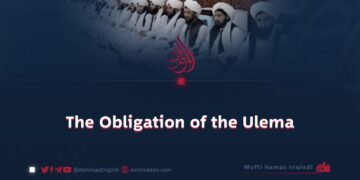
The difference between these two types of scholars is very clear. The Rabbani scholar stands firm like a mountain against the storms of tyranny and speaks the truth, even if it is bitter. However, the sell-out scholar moves like grass with the winds of power and stands wherever there is profit. The Rabbani scholar sees his mission in defending the truth, while the courtly scholar mostly focuses on protecting his position and personal interests.
The Islamic society of Pakistan must pay full attention to this distinction. By using religious attire, sell-out scholars can deal a heavy blow to the faith of the people, because they speak from within the religion. Therefore, people must be vigilant and distinguish between a Rabbani scholar and a scholar who is under the influence of oppressive powers. True respect and trust should be given to those who stand alongside truth and justice, not to those who turn religion into a tool for justifying oppressive and criminal rulers.
In conclusion, the responsibility of scholars is very heavy. They can either stand in the ranks of the supporters of truth like the Rabbani scholars, or be remembered throughout history as examples of deviation and betrayal like Bal’am bin Ba’ura. The choice between these two paths determines the fate of a religious scholar; a fate that is judged both in the eyes of the people and in the court of Allah Almighty.