



























Part 1
By Abdullah Arab
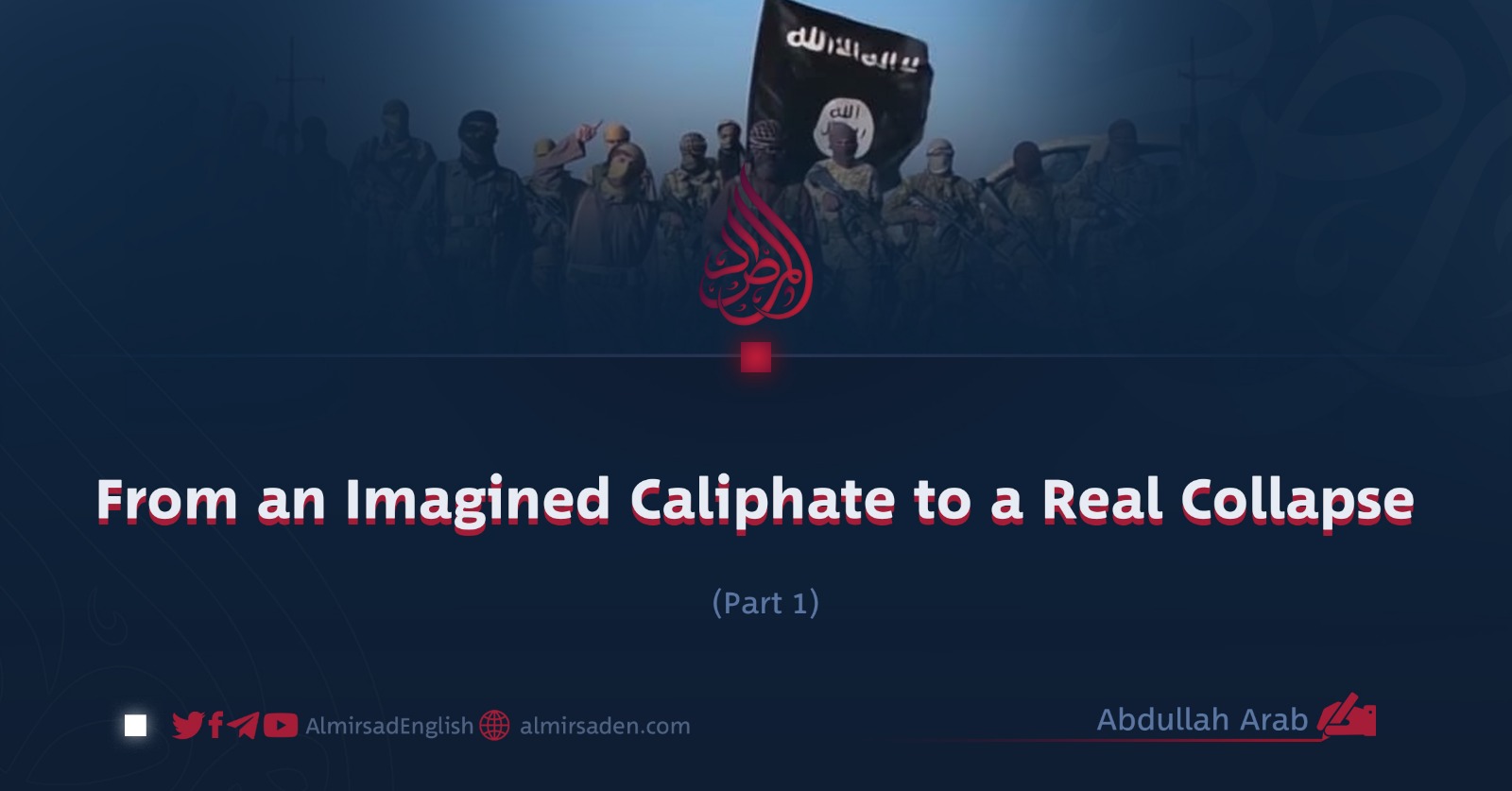
The ISIS phenomenon was one that, in its earliest days, ignited hope in many hearts. Some believed it could hasten the end of the Ummah’s long night of darkness and oppression, bringing it closer to a radiant dawn and restoring a measure of its lost dignity and honor. Yet, against all such expectations, what ISIS ultimately delivered was something entirely different.
Indeed, ISIS not only failed to alleviate the suffering of the Ummah but itself became a vast new source of agony, further wounding an already injured body.
What, in truth, became of this group? Did it succeed in achieving the goals it so loudly proclaimed? Did it rescue the Islamic Ummah from the calamities and afflictions ensnaring it, or did nothing endure beyond its initial slogans?
Initially, ISIS announced its arrival under the banner of establishing a caliphate and saving the Islamic Ummah. In later years, however, it evolved into one of the most effective instruments in the hands of anti-Islamic intelligence agencies, steadily advancing along the course they had laid out for it.
If ISIS’s record is measured by how thoroughly it advanced the objectives of Islam’s adversaries, one is forced to conclude that it served those aims with shocking precision: from killing innocent civilians to devastating Muslim lands, from waging war against jihadist groups to declaring takfir upon the entire Ummah, from assassinating learned scholars to sacrificing the Ummah’s youth, along with dozens of other catastrophes left in its wake.
But if the movement is judged by the slogans it raised in its early years, the verdict is inescapable. It met with nothing but failure and collapse. Its aura and power swiftly vanished, and every territory under its control slipped away, one after another.
The pressing question before us now is this: What factors caused ISIS, despite its claims of consolidating a caliphate and its sweeping declarations of dominion, to collapse so rapidly and to see all its ambitions dissolve?
Though ISIS was, to a considerable extent, well-supplied with both financial and human resources and appeared more capable than many other groups, these advantages could not protect it from rapid decline nor guarantee its survival.
In this series, we will seek, based on verifiable facts, to illuminate some of the principal reasons behind ISIS’s failure, the manner in which it was reshaped by the intervention of intelligence agencies, and to present several fundamental points in a sustained written analysis.