




By: Ajmal
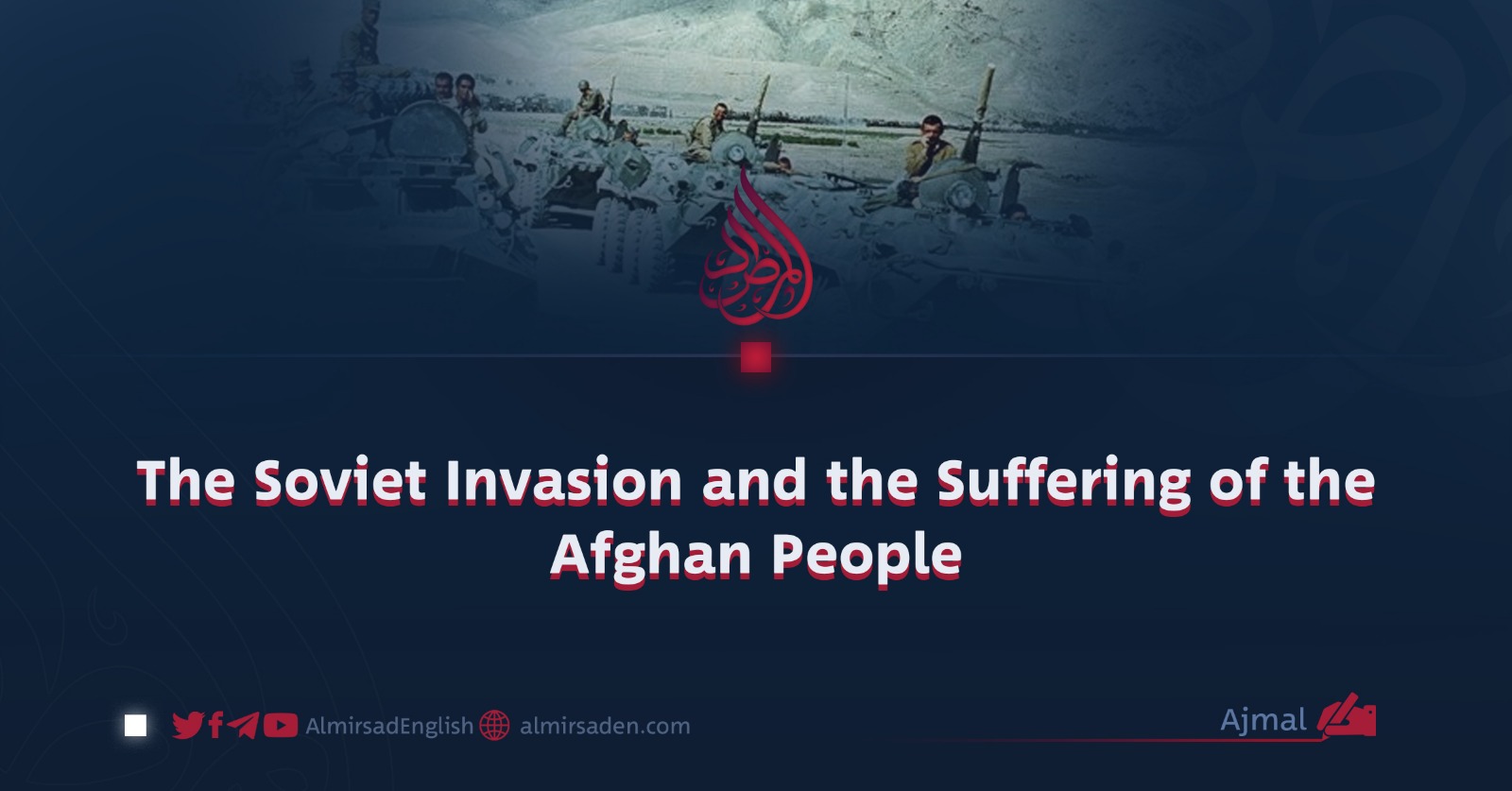
When, in the final nights of December 1979, the forces of the Soviet Union entered the territory of Afghanistan, a bloody and prolonged war began in modern Afghan history. This invasion, which lasted nearly a decade, not only transformed the political system but also profoundly affected the social structure, economy, culture, and the daily lives of its people.
The Soviet forces entered the country equipped with heavy weaponry, aircraft, and armored tanks. Numerous villages and cities became targets of aerial bombardments. During ground operations in rural areas, homes were set on fire, agricultural lands were destroyed, and thousands of innocent civilians were killed. According to international estimates, over one million Afghans lost their lives in this war, while millions more were forced to become refugees.
The greatest burden of the war fell on ordinary civilians. Children were left orphaned, mothers became widows, and families were torn apart. Thousands of innocent individuals were sent to prisons, while some disappeared without a trace. Severe measures were taken against people’s political and religious beliefs, and anyone who raised their voice against the occupation faced persecution and punishment.
During this period, millions of Afghans were forced to seek refuge in neighboring countries. This wave of displacement became one of the greatest human crises in Afghanistan’s history. For years, refugees were compelled to live under harsh conditions in migration camps, enduring extreme hardships.
Economic infrastructure, such as roads, bridges, factories, and schools, suffered severe damage. The agricultural sector, which formed the backbone of the country’s economy, was weakened due to the war. Landmines were widely planted, posing a threat to Afghan lives even to this day and causing civilian casualties every year.
Yet, despite all these hardships, the Afghan people continued their struggle to preserve their identity and faith. Finally, on February 15, 1989, which corresponds to the 26th of Dalwa in our national calendar, the Soviet forces were expelled from Afghanistan after suffering a historically harsh and humiliating defeat. This day is remembered as the downfall of a great empire and the triumph of Afghan resistance.
This transformative chapter of history also teaches us another important lesson: although the Afghan people successfully resisted the occupation, the post-war period brought new challenges to the country due to political disagreements and internal conflicts. This reality underscores that victory against a foreign invasion must be followed by national unity, political consensus, and wise strategies for state-building.
As we commemorate the 26th of Dalwa today, we should regard this day not merely as a symbol of past glory, but as a source of lessons for the future. Freedom is won through sacrifice, yet it is preserved through wisdom, unity, and justice. If we draw the right lessons from this chapter of history, we can leave the next generation a stable, peaceful, and prosperous Afghanistan.