


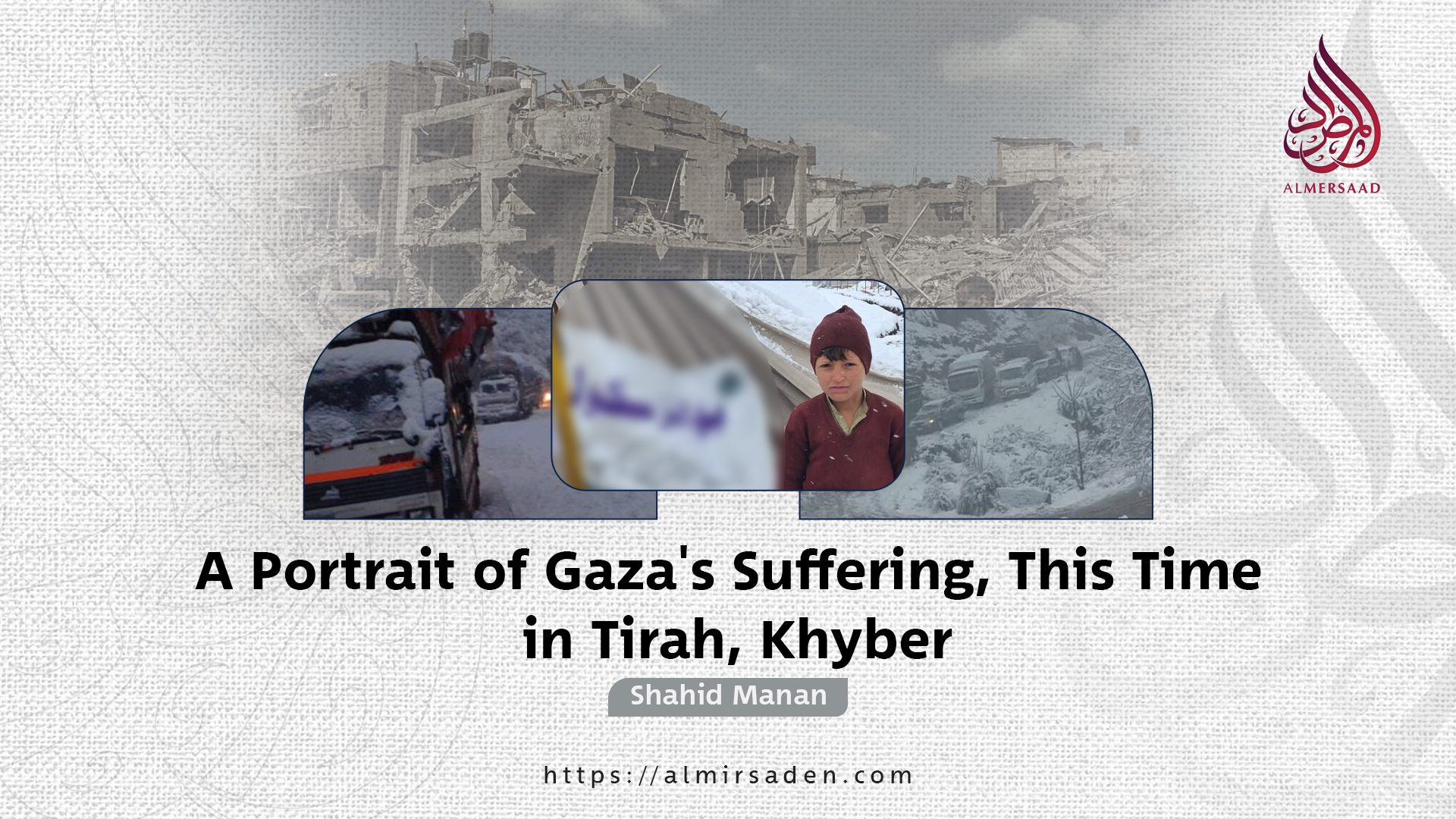
By Shahid Manan
For more than two years, a full-scale genocide has been unfolding in the Gaza Strip. Atrocities of staggering brutality have taken place before the blind eyes of the world’s major powers and the self-proclaimed guardians of human rights, yet no one has shown the willingness to take steps that would meaningfully bring the bloodshed to an end.
Beyond Gaza, this bitter story of Muslim displacement is being repeated elsewhere, not in non-Muslim countries, but within a state that unjustly calls itself an Islamic republic and even boasts of being the only Muslim nation armed with nuclear weapons. In reality, it follows in the footsteps of the Zionist regime, reproducing its methods and imitating its most reprehensible practices one after another.
Yes, that country is Pakistan, a land that for decades has remained under the dominance of a military establishment that follows Western directives and spares no effort in serving foreign interests, even when such policies have resulted in the displacement of thousands within Pakistan itself. This pattern is now playing out in the Tirah region of Khyber.
The most recent wave of evacuations began on January 10 and is scheduled to continue until January 25. An estimated 12,000 families, numbering between 60,000 and 80,000 people, have been forced to abandon their homes, farmland, and even the basic means of survival. Many of the displaced have fled toward Peshawar, Kohat, and other comparatively safer districts, while large numbers remain in makeshift camps that lack essential services and offer little protection from the harsh winter cold.
Children, women, and the elderly are suffering the most, with hunger, illness, and the absence of shelter posing daily threats.
Although Pakistan’s military regime has described the displacement as “temporary” and framed it as part of operations against separatist groups, local reports and political analysis, including recent remarks of the Chief Minister Sohail Afridi, indicate that these actions are driven largely by political and economic calculations. The exploitation of natural resources such as forests and deposits of gold and copper, along with the relocation of militant organizations including ISIS, are cited among the concealed objectives behind the campaign.
This forced displacement has produced not only a humanitarian emergency but also sweeping economic, social, and psychological consequences. Families have lost homes and ancestral land; forests and mineral resources have been plundered; tribal tensions have intensified; and trauma and despair have spread through communities. Cultural identity and long-preserved social bonds now face erosion, threatening the cohesion of entire populations.
The pattern is not new. Waves of displacement in 2012 and 2013, as well as developments in 2024 that left thousands from the Kukikhel tribe still unable to return to their homes, are presented as evidence of a recurring and systematic cycle.
To date, more than 5.7 million people in Pakistan’s former tribal regions have been affected by forced displacement, many of whom continue to live in camps or in precarious and unsafe temporary settlements. While international silence and media restrictions have kept the suffering of Tirah’s displaced largely hidden from global view, families on the ground confront each day the bitter cold of winter, shortages of food and medical care, and an atmosphere of fear created by the presence and pressure of military forces.
This is a harsh reality: another portrait of Muslim displacement under the shadow of global power politics, involving people who are not living in a distant occupied land, but within a country bearing the title “Islamic Republic of Pakistan,” where communities are subjected to injustice, discrimination, and both overt and covert policies, and where land and lives alike are sacrificed to political maneuvering and economic ambition.