



























Part 6
By Ghiyath-ud-Din Ghori
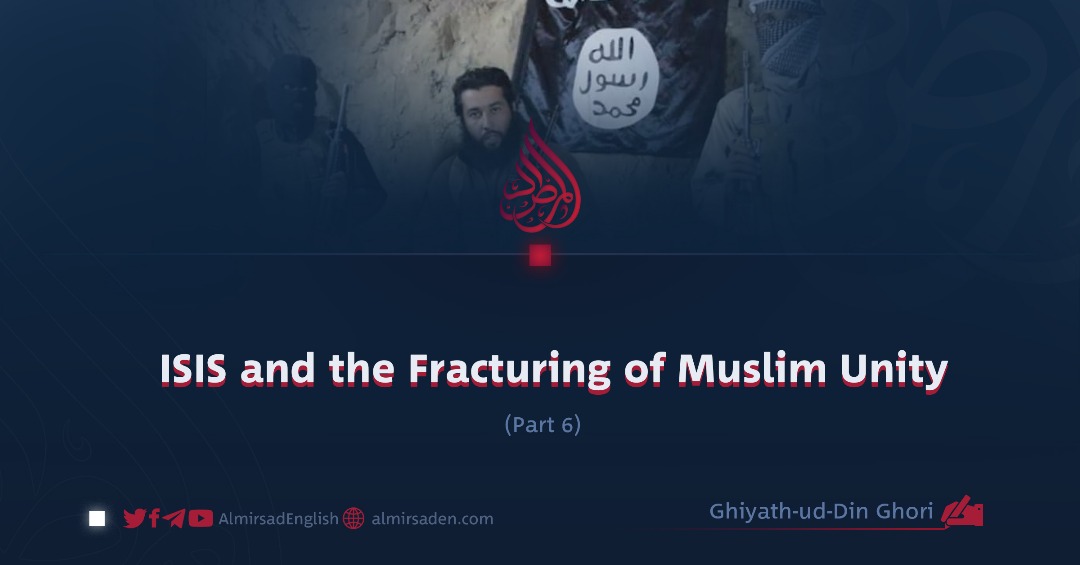
It has been clear that Abu Bakr al-Baghdadi’s declaration of a caliphate was made without consulting senior scholars or the leadership of established jihadist movements. None of the respected elders supported the rise of a group whose actions would inevitably tarnish the name of Islam. Even Sheikh Ayman al-Zawahiri, the leader of the al-Qaeda mujahidin, was neither approached for counsel nor asked for permission regarding the formation of this Khariji group, and he never approved of its emergence.
At the time, the well-known Salafi jihadist scholar Abu Muhammad al-Maqdisi remarked, “By Allah, I have never encountered people as deceitful, ill-mannered, and treacherous as ISIS.” After declaring its so-called caliphate, this reviled group demanded that every jihadist organization dissolve itself and proclaimed that allegiance to its leader was obligatory for all.
Every jihadist group, including al-Qaeda, rejected this demand. They understood the origins of this deviant sect and recognized that it had been created to weaken Islam and Muslims, undermine legitimate jihad efforts, and sow discord within the Ummah. Rather than pledge allegiance, these groups openly voiced their opposition and resisted ISIS’s extremist and takfiri positions.
Once the modern-day Khawarij succeeded in weakening jihadist forces and the broader Muslim community in Syria and Iraq, they expanded their campaign to eliminate other jihadist groups. In doing so, they inflicted grave damage on Muslim unity. Their efforts soon spread to other regions, particularly Afghanistan and Pakistan, where they began circulating baseless accusations and misleading criticisms in an attempt to fragment the mujahidin and undermine the cohesion of the Ummah.
From the very beginning, the creation and continuous revival of the ISIS-Khawarij have served a single purpose: to dismantle genuine jihadi groups and to disrupt the unity of Muslims. It is equally well known that hostile forces, especially Zionist elements, have consistently sought to support, revive, or strengthen this faction, and there is little reason to believe they will refrain from doing so in the future.
For this reason, scholars, teachers, intellectuals, and preachers bear a serious responsibility to inform the Muslim Ummah, especially the youth, about the malicious aims and hidden conspiracies pursued by these ignorant individuals. If these warnings are neglected, such extremists and those lacking true religious understanding may once again erode the unity, solidarity, and strength of the Muslims, just as similar groups have done repeatedly throughout Islamic history.